Track peak wildlife movement in November. From whitetail rut to late-season bird migrations, learn what species are most active now.
In November, migratory waterfowl and game birds continue their southward passage, although the pace slows as colder weather and shorter days advance.
In northern regions and along the Great Lakes, most dabbling ducks like mallards and teal complete their migration in the early part of the month. Diving ducks, including scaup, goldeneyes, and mergansers, linger longer in larger lakes and coastal areas before moving further south.
Large flocks of Canada geese and snow geese concentrate in staging areas to feed and rest, preparing for their final push to wintering grounds. Shorebirds are mostly gone, but some late-migrating species like yellowlegs and dowitchers may still be observed in southern wetlands.
In the southeastern U.S., resident and early wintering waterfowl populations increase, as birds arriving from northern breeding grounds settle in freshwater marshes, coastal bays, and river systems.
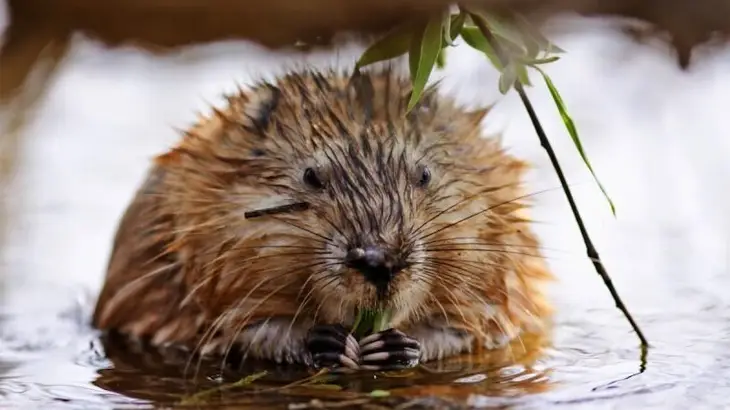
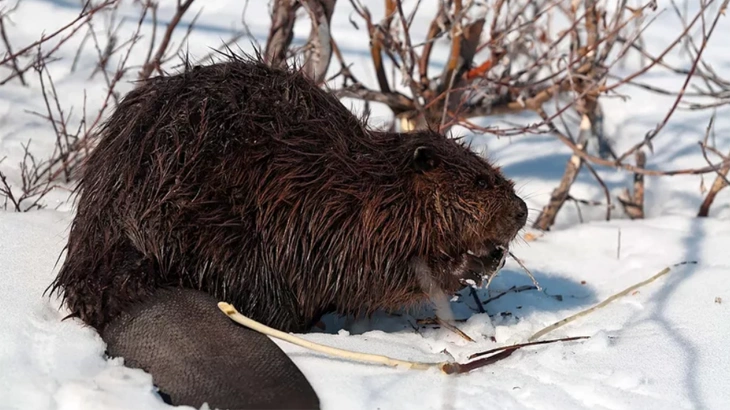
Most fur-bearing mammals have completed their autumn molt and are well-furred for the coming winter.
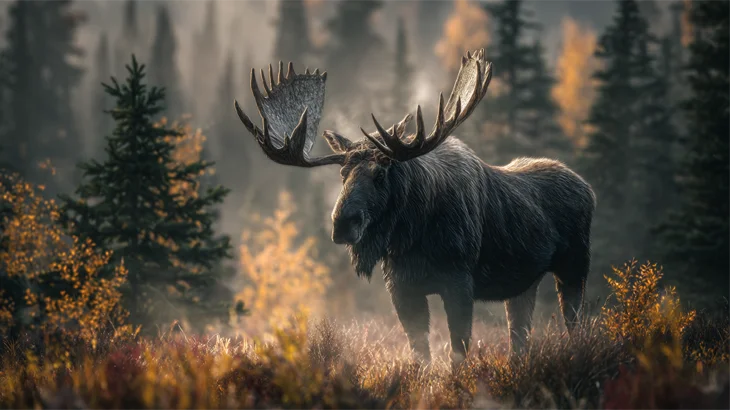
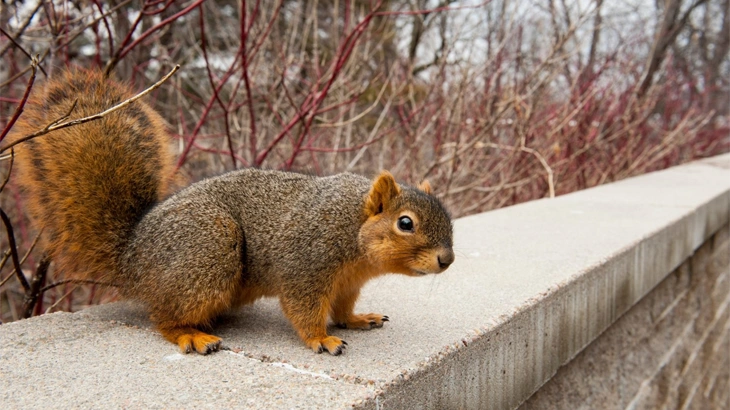
In northern forests and tundra-edge areas, species like moose and deer begin to concentrate in winter ranges where food remains accessible. Small mammals such as squirrels and hares prepare dens and food caches for the cold months ahead.
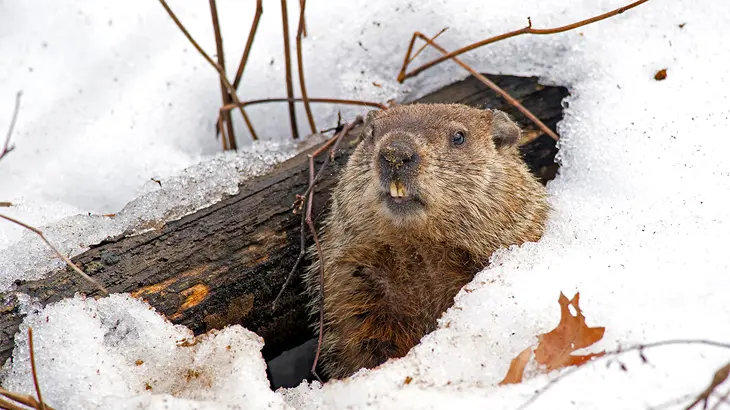
Hibernating species including some bats and ground squirrels enter their dormant phase by late November.
| Region | November Activity Highlights |
|---|---|
| Northern U.S. & Canada | Completion of migration for most ducks and geese |
| Great Lakes | Late congregations of diving ducks and geese in large lakes |
| Southeast U.S. | Arrival and settlement of wintering waterfowl |
| Pacific Northwest | Continued movement of sea ducks and diving species |
November is a prime month for waterfowl hunting across much of the continent, with many regions opening or continuing their seasons.
Hunters target a variety of ducks, geese, and sometimes swans. Success depends on knowledge of local flyways, staging areas, and seasonal bird behavior.
Upland game hunting continues for species like grouse and quail in many areas, although hunting pressure lessens as the season advances.
| Phenomenon | Description |
|---|---|
| Birds | Late migration, settling of wintering waterfowl |
| Mammals | Fur fully grown; start of hibernation for some species |
| Migration Species | Dabbling and diving ducks, geese |
| Hunting | Waterfowl and upland game hunting |
| Conservation Notes | Respect migratory bird regulations; habitat preservation |