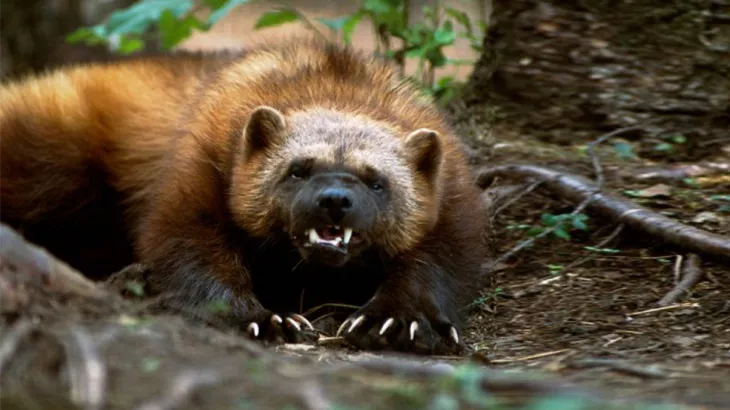
Wolverine in November
Introduction
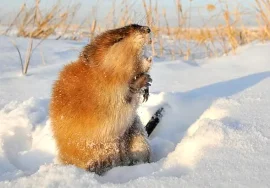
November marks a crucial period for the wolverine (Gulo gulo) across North America. As winter approaches, this elusive predator intensifies its foraging and territorial behaviors to prepare for harsher conditions. For hunters, wildlife enthusiasts, and naturalists, observing wolverines in November offers unique insights into their adaptability and ecological role.
During this month, wolverines shift their focus toward securing sufficient food reserves and maintaining their large home ranges. This activity makes November one of the best times to understand their behavior patterns before deep winter hibernation or inactivity periods of prey species.
Behavior and Biology
Migrations and Movement
Wolverines are primarily resident species but display increased mobility in November. Males roam extensive territories seeking mates, while females focus on areas rich in food sources. Snowfall, which often begins in November, influences movement patterns, as wolverines utilize snowpack for travel and hunting advantages.
Feeding
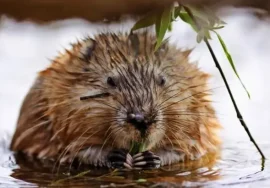
In November, wolverines intensify their scavenging and predation. They feed on small to medium-sized mammals, carrion, and occasionally ungulate remains from predators like wolves and bears. Their strong jaws and digestive efficiency allow them to consume frozen meat, giving them an advantage over other predators.
Reproduction and Adaptation
Although actual mating occurs earlier in the year, November is critical for young wolverines born in delayed implantation cycles to benefit from maternal care. Adults adapt to shorter days and colder temperatures by increasing caloric intake and strengthening fat layers to endure the winter months.
Hunting Activity
Hunting Practices
Wolverines are protected in most regions, and hunting is heavily regulated. Trapping may occur in specific areas with strict licensing, using foothold traps or box traps that minimize injury. Ethical considerations emphasize non-lethal observation and responsible interaction to avoid disrupting natural behaviors.
Seasonal Activity
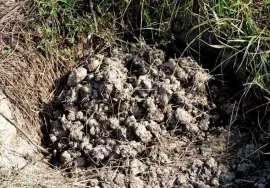
November sees peak activity as wolverines prepare for winter. Hunters and trappers observing legally permitted areas may notice increased tracks, scat, and scent markings. Wolverines are primarily nocturnal but can be active during daylight, especially in low human disturbance zones.
Ecological Role
Wolverines serve as apex scavengers, influencing prey populations and maintaining ecosystem balance. By consuming carrion, they reduce disease spread and recycle nutrients back into the soil. In November, their predation helps regulate populations of small mammals and weak ungulates before winter sets in.
Regional Differences
Activity varies across North America. In the Rocky Mountains and northern U.S. states like Montana, Idaho, and Wyoming, snowpack drives wolverine movement. Pacific Northwest populations navigate dense forests and alpine zones, while northern Canada populations expand their ranges to exploit seasonal prey aggregations.
Practical Tips
- Use snow tracking to identify movement patterns and dens.
- Observe from a safe distance; wolverines are powerful and elusive.
- Plan trips around early winter weather for optimal visibility.
- Respect protected areas and follow local regulations on wildlife interaction.
Quick Reference Table
| Aspect | Details |
|---|---|
| Scientific Name | Gulo gulo |
| Month | November |
| Behavior | Territorial, scavenging, pre-winter preparation |
| Hunting Activity | Observation preferred; regulated trapping in certain regions |
| Hunting Season | Seasonal restrictions vary by state/province |
| Regions | Rocky Mountains, Pacific Northwest, Northern U.S., Canada |
| Conservation Status | Stable but protected in many regions |