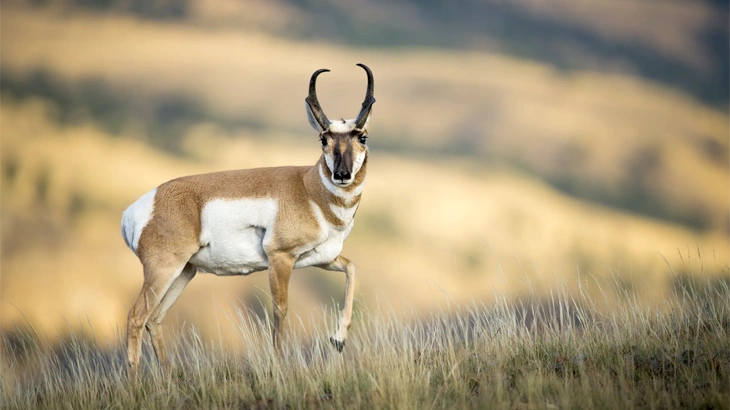
Pronghorn Antelope in November
Introduction
November marks a pivotal month for the Pronghorn Antelope across North America. As temperatures drop and winter conditions begin to set in, these swift ungulates adjust their movements, feeding habits, and energy reserves. For hunters, November represents a transitional period between the peak rut of early fall and the more challenging late-season hunts.
This article explores how Pronghorn Antelope behave in November, their ecological importance during this time, and practical tips for hunters, wildlife observers, and conservationists seeking to better understand or ethically pursue this iconic species.
Behavior and Biology
Migration and Movement
In November, Pronghorn Antelope begin their seasonal shift to lower-elevation winter ranges. This movement often results in larger mixed herds as animals consolidate for protection and access to food. Migration corridors become vital, and pronghorn display remarkable endurance, covering dozens of miles with ease.
Feeding and Adaptation
The animals switch from nutrient-rich summer forbs to more drought- and frost-tolerant shrubs such as sagebrush. This dietary change supports their energy needs as temperatures drop and food availability declines. They conserve energy by reducing unnecessary movement and increasing foraging time during daylight hours.
Breeding and Social Structure
The rut has mostly concluded by November. Bucks that were dominant earlier may now travel in bachelor groups or loosely follow small bands of does. Aggressive displays decrease, but pronghorn remain vigilant for predators, particularly coyotes and eagles targeting young-of-the-year.
Hunting Activity
Seasonal Timing
Most western states hold pronghorn rifle or muzzleloader seasons into early November, though many archery seasons close by late October. Hunters should check state-specific regulations, as quotas and dates vary widely. Late-season hunts often mean larger herds but more challenging stalks on wary animals.
Methods and Gear
Spot-and-stalk remains the most common method. Hunters use optics to locate herds on open plains, then plan careful approaches using terrain features for cover. In November, animals are extra wary due to earlier hunting pressure, so longer shots and patience are often required. High-quality binoculars or spotting scopes, windproof clothing, and flat-shooting calibers (such as .243 or .270) are essential for success.
Regulations and Ethics
As weather turns harsher, it’s vital to minimize stress on animals. Hunters should avoid pushing herds unnecessarily, respect private land boundaries, and ensure all harvests are swift and ethical. Many states also impose antler or permit restrictions in November to protect breeding stocks.
Ecological Role
During November, pronghorn help shape sagebrush and grassland ecosystems by selectively grazing on available forage. They also serve as prey for apex predators adjusting their diets to winter conditions. The species’ congregation in key wintering areas influences predator-prey dynamics and seed dispersal, making them integral to the health of North American prairies and shrublands.
Regional Differences
In the northern Great Plains (Montana, North Dakota, South Dakota), pronghorn may begin moving southward or downslope earlier due to harsher weather. In the southern Rockies and Southwest (Wyoming, Colorado, New Mexico, Arizona), herds typically remain more stable but still shift toward areas with accessible forage. Understanding these regional patterns helps hunters and wildlife watchers plan their outings more effectively.
Practical Tips
- Scout Winter Ranges: Focus on migration corridors, low-sage flats, and sheltered basins where herds gather.
- Use Weather to Your Advantage: Cold fronts often move herds, providing predictable opportunities for glassing.
- Plan Longer Shots: Increased wariness and open terrain mean hunters should practice at extended ranges before the season.
- Respect Conservation: Always follow local quotas and avoid disturbing large groups unnecessarily, especially as winter stress builds.
- For Observers: November is ideal for photographing large herds under dramatic late-autumn light conditions.
Quick Reference Table
| Aspect | Details |
|---|---|
| Species | Pronghorn Antelope |
| Month | November |
| Behavior | Migration to winter ranges, herd consolidation, shift to sagebrush diet |
| Hunting Activity | Late-season rifle hunts in many states; wary animals, spot-and-stalk recommended |
| Hunting Season | Varies by state; early to mid-November in most western states |
| Regions | Great Plains, Rocky Mountain foothills, Intermountain West |