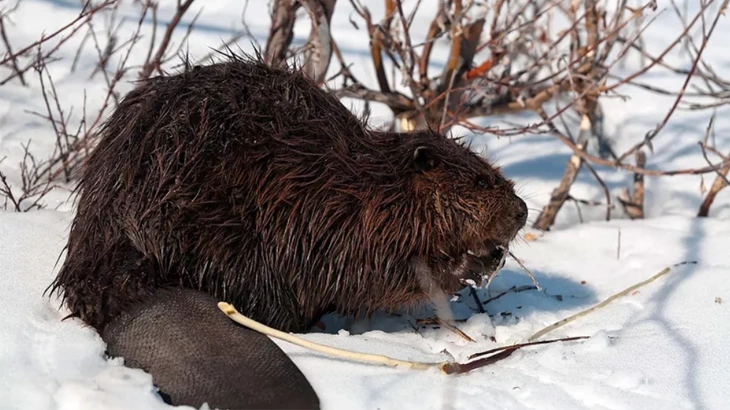
Beaver in November
Introduction
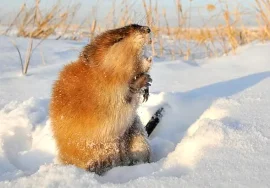
November marks a pivotal transition for the North American beaver (Castor canadensis) as autumn gives way to early winter. By this time, most colonies have completed their seasonal preparations: lodges are insulated, food caches are stocked, and dams are fortified to withstand ice and fluctuating water levels. For wildlife enthusiasts, this month offers a rare glimpse of beaver resilience, while for hunters and trappers, November represents the heart of the regulated furbearer season, when pelts are at their densest and most valuable.
As temperatures drop and waterways begin to freeze, beaver activity becomes more concentrated but remains steady beneath the surface. Understanding how beavers adapt and operate during November provides insight into the dynamics of wetland ecosystems across North America and helps outdoorsmen plan responsible, effective field practices.
Behavior and Biology in November
Preparing for Winter
By November, beavers are largely done with major construction projects. Dams and lodges built or repaired in September and October are now sealed tight with mud and sticks, providing insulation against the cold. Beavers spend much of their time underwater, traveling through channels between their lodge and their winter food cache, typically a submerged pile of branches, including aspen, willow, alder, and poplar. The fat reserves they built during fall allow them to remain active throughout winter without foraging far from home.
Feeding Behavior
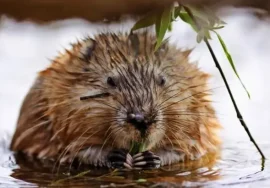
Feeding shifts from fresh vegetation to woody material. Beavers consume the nutrient-rich inner bark (cambium) of stored branches. Their underwater food caches are critical for survival, ensuring sustenance even when surface ice prevents access to trees. Activity above the ice becomes rare, though brief appearances may still occur in milder regions or during unseasonably warm days.
Social Dynamics and Reproduction
Within the lodge, family units (typically consisting of a monogamous pair, yearlings, and kits born that spring) remain close-knit. Communication includes soft vocalizations and tail slaps to warn of danger. While breeding does not begin until January or February, November marks the start of a quieter, more inward-focused period where family members conserve energy and reinforce social bonds crucial for overwinter survival.
Hunting and Trapping Activity in November
Season Timing and Regulations
November is prime trapping season for beavers in most northern states and Canadian provinces. Pelts are at their peak quality: thick, glossy, and fully developed for insulation. States like Minnesota, Wisconsin, and Montana typically have active beaver trapping seasons throughout November. Always confirm specific regulations regarding trapping methods, tagging, and daily limits, as they vary between jurisdictions and ecosystems.
Effective Methods and Equipment
Body-grip traps and foothold traps remain the most efficient tools during this period, placed near lodge entrances, underwater runs, or feeding sites. Since beaver movement slows in colder water, trap placement precision is key. Hunters should look for subtle signs of activity: air holes in the ice, fresh mud on lodges, or recently gnawed wood to locate active colonies. For regions where water remains unfrozen, night scouting using thermal optics or quiet observation from blinds can yield excellent results.
Ethical Considerations and Safety
Trapping in cold weather requires extra caution. Thin ice and unpredictable currents can pose hazards. Always use safety lines when checking sets and wear insulated waders. Ethical trappers focus on humane capture, avoiding unnecessary disturbance to non-target species such as muskrats and otters. Be mindful of wetland health, removing too many beavers from an area can lead to water level drops and loss of biodiversity.
Ecological Role in November
Even as their visible activity decreases, beavers continue to influence ecosystems profoundly in November. Their dams stabilize water levels and create insulated habitats for fish, amphibians, and invertebrates. These wetlands also provide critical resting areas for late-migrating waterfowl and help trap sediment and nutrients, maintaining water quality. Frozen ponds behind beaver dams may act as reservoirs that slowly release water through winter, supporting downstream habitats when rainfall is scarce.
Predators such as coyotes, lynx, and bobcats may attempt to prey on beavers when they emerge, but the thick ice and deep water provide effective natural defenses. Beavers’ enduring ecological presence in November ensures that even in near-dormant conditions, they sustain life across vast wetland networks.
Regional Differences Across North America
In the northernmost regions, such as Alaska, northern Minnesota, and Canada’s boreal zones, beaver ponds are already sealed under thick ice by early November. Activity shifts entirely underwater, with limited access to air except through lodge vents. In contrast, in the Pacific Northwest and parts of the southern Rockies, open water remains available longer, and beavers may still forage and repair minor damage.
Further south (in states like Arkansas, Georgia, and Texas) November can resemble late autumn rather than early winter. Beavers here remain active above water longer, often felling new trees late into the month. These regional variations affect not only their behavior but also the timing and approach of the hunting and trapping seasons.
Practical Tips for Hunters and Naturalists
- Scout ice conditions: In northern regions, locate air holes and runs under new ice to identify active colonies.
- Focus on prime pelts: November yields the highest-quality beaver fur: dense, glossy, and valuable for trappers.
- Maintain safety: Always test ice thickness and use safety lines when working over water or near dams.
- Observe nocturnal behavior: In warmer areas, twilight remains the best time for sightings or photography.
- Support habitat stability: Avoid damaging lodges or dams, they’re vital for many species sharing the wetland.
Quick Reference Table
| Aspect | Details |
|---|---|
| Species | Beaver |
| Scientific Name | Castor canadensis |
| Month | November |
| Behavior | Reduced surface activity; feeding from underwater caches; strong family cohesion |
| Hunting Activity | Peak trapping season in most regions; best fur quality of the year |
| Typical Habitat | Wetlands, rivers, ponds, forested riparian zones |
| Primary Regions | Nationwide across U.S. and Canada; most active in northern and central wetlands |
| Seasonal Notes | Transition to under-ice activity; lodge sealing; family dens remain active |