
Muskrat in November
Introduction
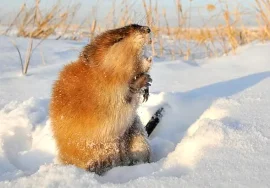
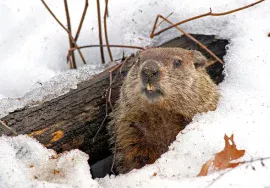
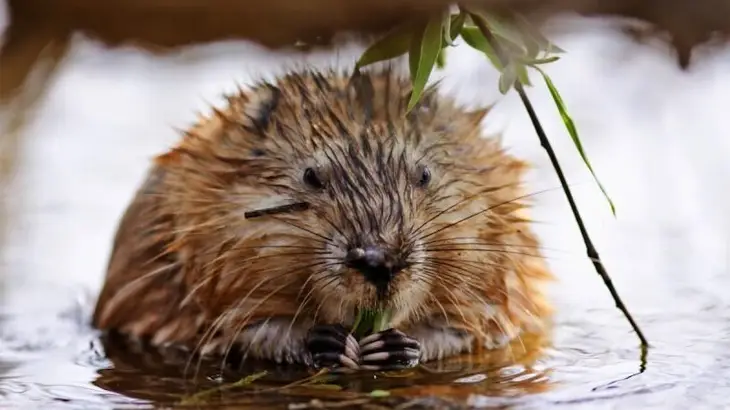
November marks a pivotal transition month for the North American muskrat (Ondatra zibethicus). As wetlands begin to ice over and temperatures drop, muskrats shift from autumn feeding strategies to strict winter survival behaviors. This period highlights their remarkable ecological adaptability and makes November a particularly active and important month for hunters, trappers, wildlife observers, and naturalists.
For hunters, November is often the beginning or early phase of muskrat trapping seasons across many U.S. states. The animals’ increasing movement around lodges, channels, and feeding huts makes them more visible and easier to pattern. For wildlife enthusiasts, the engineering activities of muskrats (especially lodge building and vegetation cutting) reach peak intensity, offering rare opportunities to observe their winter preparation behaviors.
Behavior and Biology in November
Seasonal Feeding and Movement
As late fall progresses, muskrats dramatically increase foraging activity. Their November diet is dominated by cattails, bulrushes, sedges, and other emergent vegetation. They cut and store plant material inside lodges and feeding huts to prepare for periods when ice cover limits access to food.
Movement becomes more concentrated around dens and primary channels, with muskrats establishing and reinforcing underwater trails that remain usable even after ice formation. They also reinforce lodge entrances to ensure safe underwater access throughout winter.
Breeding and Population Dynamics
Muskrats do not breed in November; their primary breeding period runs from spring into late summer. By autumn, juveniles born earlier in the year disperse to establish new territories. November is the month when final dispersal slows, and muskrats settle into winter home ranges, typically centered around one or two lodges.
Physiological Adaptations
Muskrats develop denser underfur in late fall, which improves insulation in cold water. Their metabolic rate also gradually slows as colder temperatures arrive, allowing them to conserve energy during periods of limited movement.
Hunting Activity in November
Trapping and Legal Considerations
Muskrats are classified as furbearers in most states, and November typically aligns with the opening of trapping seasons. Legal methods include body-grip traps, colony traps, and foothold traps placed at den entrances, runs, and feeding platforms. Checking local regulations is essential, as season dates and allowable equipment vary widely across regions.
Trappers focus on identifying active huts and runs, which are more visible in November as vegetation dies back. Frozen shorelines also create natural funnels for muskrat movement, making them reliable trapping sites.
Hunting/Trapping Strategies
Best practices in November include:
- Run trapping: Setting colony traps along well-defined underwater channels.
- Hut and lodge sets: Placing traps near feeding huts where muskrats enter from underwater openings.
- Baited sets: Using apple slices, carrots, or cattail roots where legal, though muskrats respond better to location than bait.
Ethical considerations include avoiding damage to primary lodges and ensuring traps are checked frequently to reduce animal stress and comply with regulations.
Seasonal Changes Affecting Hunting
Muskrat visibility increases early in the month before ice thickens. Once ice forms, hunters rely more on signs like bubbles under the ice, fresh chewings around huts, and open water pockets maintained by muskrats’ constant movement.
Ecological Role in November
Muskrats play a crucial role in shaping wetland ecosystems during late fall. Their feeding and cutting behaviors help maintain open water pockets, benefiting waterfowl and other aquatic species. Lodge construction creates microhabitats for amphibians and insects seeking shelter as temperatures fall.
They also serve as prey for mink, foxes, coyotes, and raptors, making them a significant contributor to predator foraging success as winter approaches. Their activity in November influences wetland vegetation structure, water flow, and nutrient cycling.
Regional Differences Across the U.S.
Muskrat behavior in November varies by latitude and climate:
- Northern states (MN, MI, WI, ND, MT): Ice forms early, pushing muskrats to complete lodge construction by mid-month. Movement decreases sharply once ice thickens.
- Midwestern and Northeastern states: Peak activity occurs throughout November, with ideal trapping conditions during late fall freeze-up.
- Southern states (LA, TX, FL): Muskrats remain more active, with little ice formation. November resembles late autumn behavior rather than winter preparation.
Practical Tips for Hunters and Observers
- Look for fresh sign: New vegetation cuttings, piles of cattails, and newly formed runs indicate active muskrat zones.
- Time your sets: Early morning and late afternoon are peak movement windows before full freeze-up.
- Stay quiet near lodges: Muskrats are sensitive to vibrations transmitted through water.
- Use polarized glasses: Easier detection of underwater trails and openings.
- Avoid disturbing main dens: This ensures muskrat survival and prevents unnecessary ecosystem disruption.
Quick Reference Table
| Aspect | Details |
|---|---|
| Species | Muskrat (Ondatra zibethicus) |
| Month | November |
| Behavior | Increased foraging, lodge preparation, reduced dispersal |
| Hunting Activity | High activity early in month; prime trapping conditions |
| Hunting Season | Most states open furbearer seasons in November |
| Range | Most of North America: wetlands, marshes, ponds, rivers |