Track wildlife in the snow and cold. Learn how animals adapt in winter, where hunting seasons are still open, and what to expect from predators, late-season waterfowl, and small game.
Winter marks the harshest season for wildlife across North America. Most migratory birds have reached their southern wintering grounds, while resident species adapt to cold conditions by altering behavior and physiology.
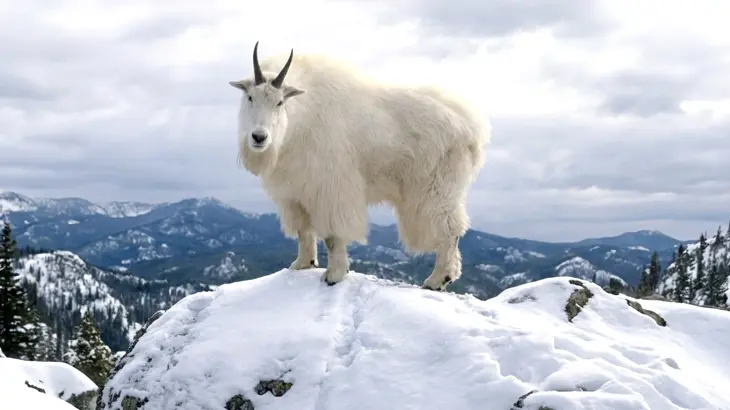
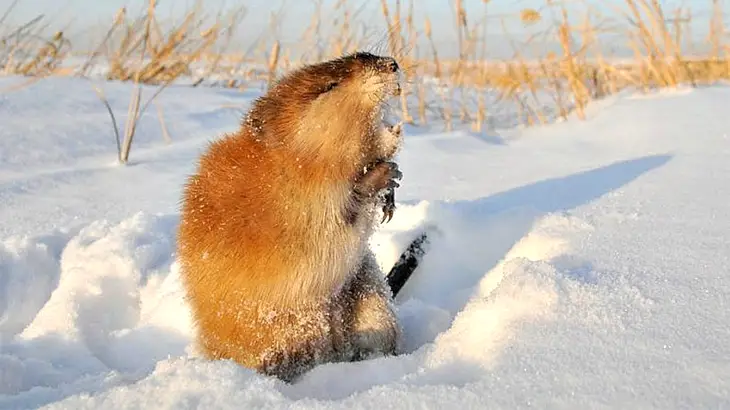
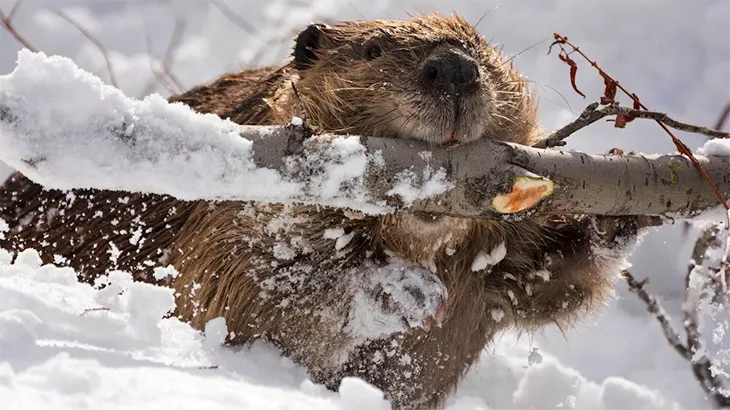
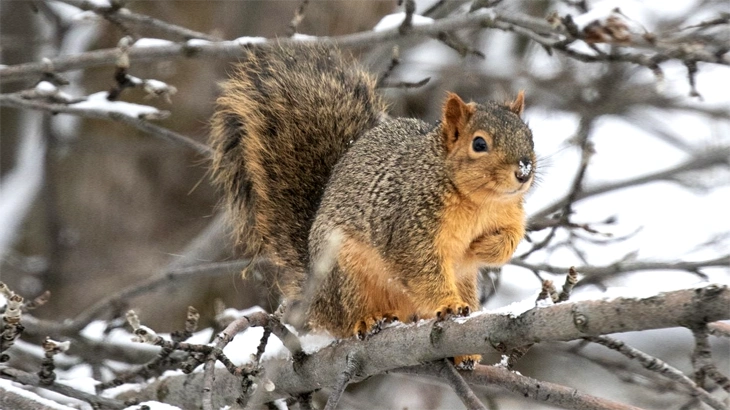
Waterfowl gather in open water areas that remain unfrozen, forming large flocks for protection and feeding. Upland game birds like grouse and ptarmigan rely on camouflage and shelter in dense cover. Mammals grow thick winter coats, reduce activity, or enter torpor to conserve energy.
Hibernating mammals such as ground squirrels and bats remain dormant. Moose, deer, and elk shift to winter ranges with accessible browse, often near coniferous forests or river valleys. Predators like wolves and coyotes adjust hunting strategies to track weakened prey.
Hunting seasons for waterfowl and some mammals occur in winter months, regulated to sustain populations through careful timing.