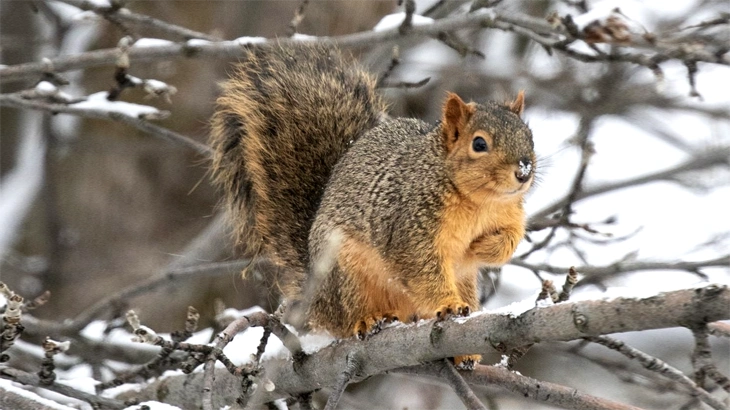


Discover cold-season wildlife habits and hunting opportunities. December offers late-season deer, predator hunting, and unique winter tracking conditions.
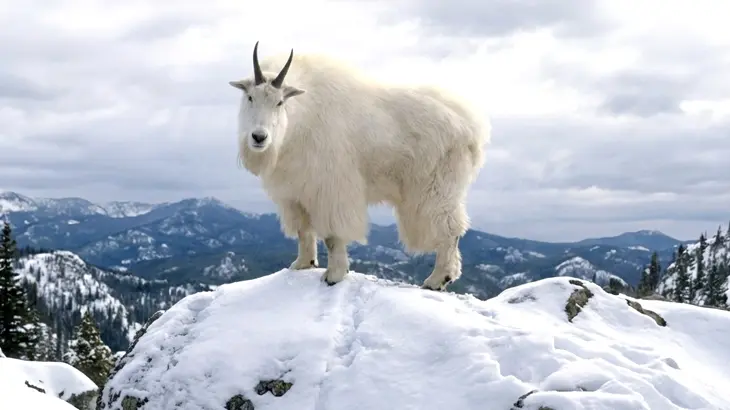
For wildlife across North America, December marks one of the most challenging periods of the year. Deep snow, biting winds, and extended cold spells make foraging more difficult, shaping the behavior and movements of both mammals and birds.
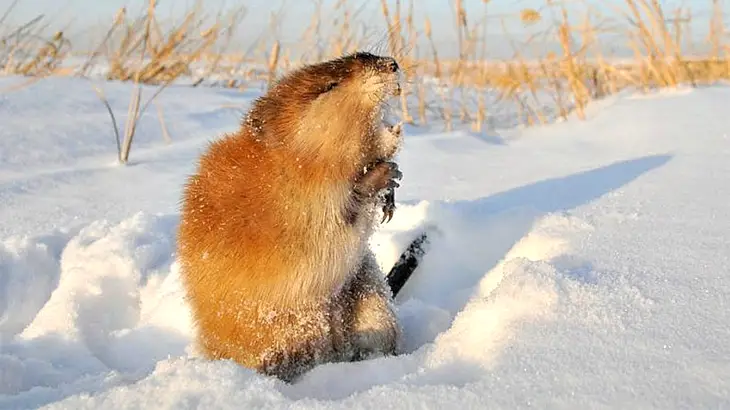
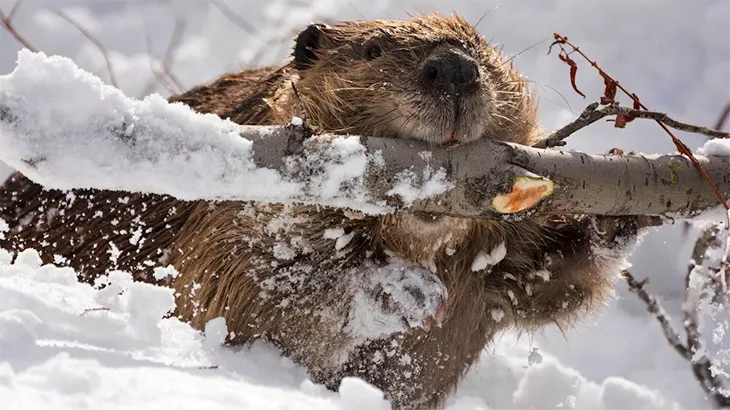
In many northern regions, large ungulates such as moose, elk, and white-tailed deer conserve energy by limiting movement and focusing on sheltered feeding areas. Midwinter breeding begins for certain mammals, including wolves and coyotes, whose courtship behavior peaks in the coming weeks. Fur-bearing animals like beavers, muskrats, and otters continue to wear their dense winter coats, with water-dwelling species finishing the last stages of seasonal molting. In the southernmost parts of the continent, some hibernating mammals — such as armadillos and certain bat species — complete their entry into deep winter dormancy.
By December, all major bird migrations have concluded. Overwintering species, such as northern cardinals, black-capped chickadees, and downy woodpeckers, establish stable winter territories. Dabbling and diving ducks that remain for the season concentrate in ice-free waters, while in the far south and along the coasts, large flocks of snow geese, pintails, and green-winged teal gather in prime feeding areas. Raptors such as snowy owls, rough-legged hawks, and bald eagles are more visible, taking advantage of easier hunting in open landscapes.
In the southern United States, Mexico, and coastal wetlands, overwintering shorebirds like greater yellowlegs, long-billed dowitchers, and dunlin settle into their feeding territories. Along the Gulf Coast and Pacific lagoons, large groups of American white pelicans, herons, and egrets remain active throughout the season. Mild southern climates also support late insect activity, providing food for certain small migratory songbirds that linger through winter.
By the end of December, the daily life of both resident and migratory species is fully adapted to the season. Movement patterns focus on food availability and energy conservation. For many hunters and wildlife observers, this is the prime time to witness the unique survival strategies of North America’s wildlife in the heart of winter.