
Groundhog in November
Introduction
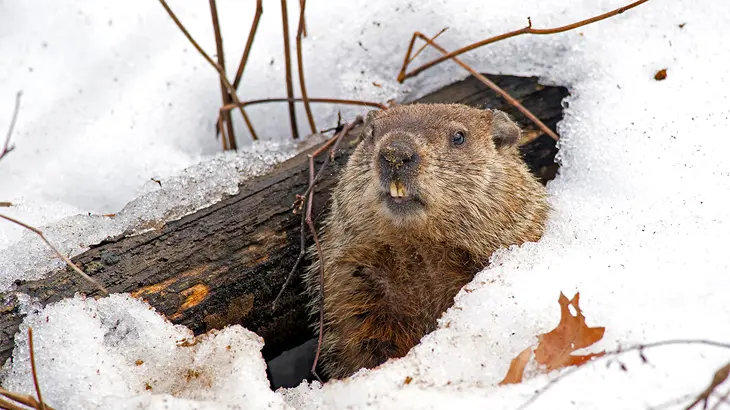
November marks a quiet and hidden phase in the life of the groundhog, or woodchuck (Marmota monax), across most of North America. As the landscape freezes and vegetation withers, this well-known burrower has already retreated into deep hibernation. For naturalists, it’s a month of reflection on the species’ fascinating survival strategy; for hunters, it represents the end of the groundhog season and a reminder of how tightly wildlife activity follows the rhythms of seasonal change.
Although groundhogs are seldom seen in November, understanding their biological patterns during this dormant period offers valuable insights into their ecology and the broader environmental balance they influence. This month’s behavior reflects centuries of adaptation to harsh winters, making the woodchuck a symbol of North America’s seasonal cycle.
Behavior and Biology
Hibernation and Metabolic Slowdown
By November, nearly all groundhogs across the continent are in full hibernation. Their body temperature drops dramatically (from around 99°F (37°C) to near 37°F (3°C)) and their heart rate slows to only a few beats per minute. This physiological state allows them to survive for four to five months without food or water, relying solely on the fat reserves accumulated in late summer and early fall.
Hibernation chambers are carefully constructed below the frost line, often 5 to 7 feet underground, lined with dry grass for insulation. Groundhogs seal the entrance with packed soil, effectively isolating themselves from predators and the cold. In this state, they remain motionless for weeks at a time, awakening briefly only if temperatures fluctuate significantly.
Behavioral Cycles and Triggers
Groundhogs do not emerge or migrate during November. Their inactivity is governed by daylight and temperature changes, which suppress hormonal activity. These same cues will eventually trigger their reawakening in late winter or early spring. The timing of hibernation varies slightly across regions but is generally synchronized within local populations.
Hunting Activity
Seasonal Closure and Ethical Considerations
By November, hunting for groundhogs has effectively ceased across North America. Not only are they inactive, but pursuing them during this month offers no practical or ethical value. Most wildlife agencies consider the groundhog season closed or inactive during the winter period, reflecting both biological realities and ethical hunting standards that discourage targeting hibernating animals.
Preparing for the Next Season
Although direct hunting is not feasible, November offers hunters an opportunity to scout land, maintain firearms, and review hunting regulations for the following year. It’s also an ideal time to study groundhog ecology—understanding den locations, terrain features, and population densities observed earlier in the year helps prepare for more productive outings once spring arrives.
Landowners often use this downtime to repair field edges, remove old burrow hazards, and plan crop protection strategies, as groundhogs can become agricultural pests during their active months. In essence, November shifts the focus from active hunting to stewardship and preparation.
Ecological Role
Even in hibernation, groundhogs play a vital ecological role. Their burrows, dug earlier in the year, continue to serve the ecosystem long after the animals have gone underground. Many other species (including rabbits, foxes, opossums, raccoons, and various reptiles) use abandoned or shared groundhog tunnels for shelter during cold months.
This underground network also affects soil health. The digging process aerates compacted ground, improves drainage, and promotes root growth for nearby vegetation. As groundhogs cycle through generations of burrows, they help maintain soil ecosystems vital to agricultural and natural landscapes alike.
Regional Differences
While the timing of hibernation varies slightly, November groundhog behavior is remarkably consistent across North America. In northern regions (such as the Great Lakes, New England, and southern Canada) hibernation typically begins in early October and continues well past November. In more temperate areas, such as the Mid-Atlantic or the southern Appalachians, a few individuals may have entered hibernation later, but by November, nearly all are inactive.
Elevation also affects timing: groundhogs in mountainous regions enter dormancy earlier due to colder conditions, while lowland or coastal populations may hibernate a few weeks later. However, regardless of latitude, groundhogs are completely underground by mid-November across their entire range.
Practical Tips for Hunters and Naturalists
- Observation: November is not for active observation, but marking known burrow sites helps for future studies or hunting seasons.
- Land Management: Maintain field edges, fences, and ditches now, before spring thaw reveals new burrow activity.
- Wildlife Cameras: If you monitor groundhog territories, set cameras to record predator activity, foxes and coyotes may inspect abandoned dens.
- Learning Period: Use this time to study habitat preferences, topography, and local wildlife regulations for the next open season.
- Ethical Awareness: Respect the hibernation cycle, disturbing dens can harm not only groundhogs but also other species using their burrows for shelter.
Quick Reference Table
| Aspect | Details |
|---|---|
| Species | Groundhog (Woodchuck) |
| Scientific Name | Marmota monax |
| Month | November |
| Behavior | Full hibernation; no above-ground activity |
| Hunting Activity | Inactive; hunting season closed in most regions |
| Hunting Season | Reopens in late spring or summer |
| Regions | All North American range; inactive across U.S. and southern Canada |