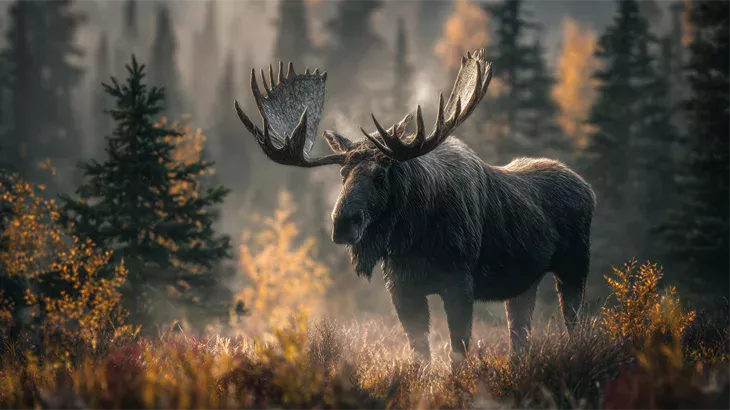
Moose in November
Introduction
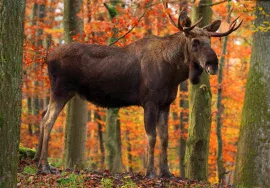
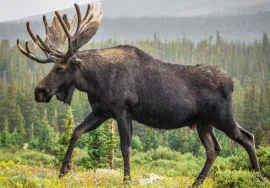
November marks a critical period for moose (Alces alces) across North America. As the last traces of autumn give way to early winter, these massive herbivores adapt to cooling temperatures, shifting food sources, and changing daylight patterns. The rutting season has largely concluded, and bulls are regaining energy after weeks of intense activity and competition.
For hunters and wildlife observers alike, November presents a unique window into post-rut moose behavior. With the onset of colder weather and the first snow in northern regions, tracking moose becomes more feasible, and understanding their seasonal adaptations can significantly enhance both hunting success and ecological awareness.
Behavior and Biology
Feeding and Activity
In November, moose focus on replenishing energy reserves depleted during the rut. They shift from a summer diet of aquatic vegetation to woody browse, feeding heavily on willow, birch, and aspen twigs. As snow accumulates, their feeding activity becomes concentrated near riverbanks, wetlands, and early successional forests where forage remains accessible.
Movement and Adaptation
Moose become less mobile compared to the previous month, conserving energy for the upcoming winter. In northern regions like Alaska, the Northern Rockies, and parts of Canada, they begin descending from higher elevations to winter ranges with better cover and food availability. Their thick winter coats are now fully developed, providing insulation even in subzero temperatures.
Hunting Activity
Season Timing and Legal Considerations
By November, moose hunting seasons are winding down in most U.S. states, though late-season permits remain open in select areas such as Maine, Alaska, and parts of the Rocky Mountain region. Hunters at this time face colder conditions and more challenging access, but the advantage lies in clear tracking after fresh snowfall and reduced competition from other hunters.
Methods and Equipment
Spot-and-stalk hunting is less effective in dense November cover, so still hunting along moose trails and near feeding zones becomes the preferred approach. Hunters often rely on snowshoes or all-terrain vehicles for mobility, and rifles with high accuracy and stopping power remain the primary tools. Calls are less effective since the rut has ended, but quiet, patient tracking can yield excellent results.
Ethical and Safety Considerations
Ethical hunting in November emphasizes minimizing animal suffering and ensuring clean, precise shots. Given the size and weight of moose, proper retrieval planning and teamwork are essential. Hunters must also remain mindful of early winter weather shifts, as storms can rapidly alter conditions in northern regions.
Ecological Role
Moose play an integral role in shaping North American forest ecosystems. Their browsing influences plant community dynamics, creating open areas that support new growth and increase biodiversity. In November, as vegetation recedes, their feeding patterns help regulate woody plant regeneration and influence habitats for smaller mammals and birds. Predators such as wolves and bears still pose a threat, particularly to weakened individuals, maintaining natural balance within their environment.
Regional Variations
Moose behavior in November varies considerably across their range. In Alaska and the Yukon, snow cover deepens, and moose concentrate in river valleys where browse remains available. In the Northern Rockies and Great Lakes regions, they may frequent marshy edges and forest openings, while in New England states like Maine and Vermont, activity decreases as moose settle into early winter patterns. Each region’s unique climate and topography dictate local movement and feeding behaviors.
Practical Tips
- Track after fresh snowfall: November snow reveals fresh tracks and bedding sites, providing clear indicators of recent activity.
- Focus on browse-rich areas: Target young forests, willow thickets, and river corridors for optimal moose movement zones.
- Prepare for cold: Layer clothing, protect optics from frost, and ensure gear reliability in freezing conditions.
- Stay ethical: Avoid taking tired or stressed animals recovering from the rut, and respect local conservation guidelines.
Quick Reference Table
| Aspect | Details |
|---|---|
| Scientific Name | Alces alces |
| Category | Big Game |
| Typical Weight | 600–1,500 lbs (270–680 kg) |
| Habitat | Boreal forests, wetlands, riparian zones |
| Range | Alaska, Northern Rockies, Great Lakes, New England, parts of Canada |
| Season | September–November (varies by state) |
| Conservation Status | Stable overall; localized declines due to climate and parasites |