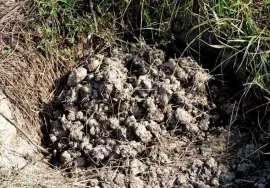


American Marten in November
Introduction
November is a pivotal month for the American marten (Martes americana), a small but elusive carnivore inhabiting North America’s northern forests. As temperatures drop and daylight shortens, martens adjust their behavior to prepare for the harsher winter conditions. For wildlife enthusiasts and trappers, this month presents a valuable opportunity to understand and ethically engage with the species.
Because the American marten is a key indicator of healthy boreal and mixed-forest ecosystems, its behavior in November offers insights into broader environmental changes. Hunters, trappers, and naturalists alike benefit from observing how the species responds to seasonal shifts during this time of year.
Behavior and Biology
Feeding and Movement
In November, martens increase their foraging activity to build fat reserves for the coming winter. They prey primarily on small mammals like voles, mice, and squirrels, but also consume birds, insects, and berries when available. Their agile movement through snow-laden undergrowth helps them secure prey even in subfreezing temperatures.
Reproduction and Adaptation
Although American martens mate in summer, delayed implantation means embryo development resumes in late winter, so November is not a breeding month. Instead, the species focuses on energy conservation and securing food caches. Their dense winter coats grow thicker this month, providing superior insulation and camouflage.
Hunting Activity
Season and Legal Practices
In many northern U.S. states, November marks the opening of regulated trapping seasons for American martens. Trapping is the primary legal method for harvesting the species, with strict limits on season length, trap types, and reporting requirements. Ethical trappers use certified humane traps and check them frequently to minimize stress to captured animals.
Equipment and Strategy
Effective November trapping requires knowledge of marten travel corridors such as fallen logs, creek edges, and dense conifer stands. Box traps and cubby sets baited with meat or fish are common, often placed under natural cover to protect from snow. Wearing scent-neutral clothing and minimizing disturbance improves success rates.
Ecological Role
During November, martens play a vital ecological role by regulating populations of small mammals that can otherwise overbrowse seeds and seedlings. This predator-prey dynamic helps maintain healthy forest regeneration. In turn, martens themselves are prey for larger predators like fishers, foxes, and raptors, forming an integral link in the food web.
Regional Differences
The American marten’s November activity varies by region. In the Great Lakes states, where snow arrives earlier, martens concentrate in dense conifers and rely heavily on rodent prey. In the Rocky Mountains, martens may still exploit higher-elevation habitats with patchy snow cover. In New England, increased acorn and berry availability can supplement their carnivorous diet late into the fall.
Practical Tips
For trappers: Study local regulations before setting traps, as season dates and bag limits differ between states. Place sets along natural funnels and check daily.
For observers: Look for tracks and scat along snowy trails or near fallen logs at dawn or dusk. Use binoculars quietly from a distance to avoid disturbance.
For naturalists: Recording marten sightings in November contributes valuable data to conservation programs monitoring population trends.
Quick Reference Table
| Aspect | Details |
|---|---|
| Scientific Name | Martes americana |
| Category | Small Game & Furbearers |
| Typical Weight | 1.5–3 lbs (0.7–1.4 kg) |
| Habitat | Boreal and mixed-conifer forests |
| Range | Northern U.S. states including Minnesota, Michigan, Wisconsin, Maine, Vermont, New Hampshire, Montana, Idaho, and Alaska |
| Season | Regulated trapping seasons typically open in November |
| Conservation Status | Stable in most areas, with localized concerns where habitat is fragmented |