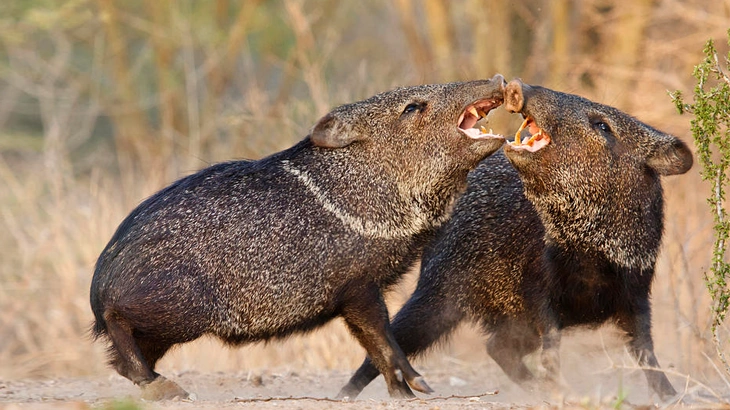
Javelina in November
Introduction
November is a pivotal month for Javelina (also known as collared peccaries) across the American Southwest. As temperatures cool and seasonal vegetation shifts, these resilient animals adapt their movements and feeding habits to prepare for winter. This makes November an especially interesting time for hunters, wildlife photographers, and naturalists who want to understand and observe Javelina behavior at close range.
For ethical hunters, November marks the beginning of prime opportunities in some states, while also imposing seasonal restrictions in others. Knowing how Javelina behave and where they roam this month improves not only your chances of a successful hunt but also ensures responsible wildlife management and conservation.
Behavior and Biology
Seasonal Movements and Feeding
In November, Javelina herds tend to stay closer to reliable food and water sources as plant diversity declines. They feed heavily on prickly pear cactus pads, mesquite beans, agave, and tuberous roots. Less rainfall and cooler nights reduce their daily range, making them easier to pattern compared to the hot summer months.
Reproduction and Adaptation
Unlike many game animals, Javelina can breed year-round. In November, some herds still include pregnant sows or juveniles born earlier in the year. Their thick hides and communal sleeping habits help them conserve warmth during chilly nights in desert and brushland habitats.
Hunting Activity
When and How to Hunt
Most southwestern states schedule Javelina hunts in the cooler months. November archery or firearm seasons are common in Arizona and Texas. Spot-and-stalk, still hunting along travel corridors, and calling near feeding areas are all effective. Hunters often glass from ridges at dawn or dusk to locate herds before moving in carefully.
Equipment and Regulations
Light to medium-caliber rifles or bows with fixed-blade broadheads are standard choices. Because Javelina are small-bodied compared to deer, precise shot placement is essential. Always verify state regulations for tag requirements, bag limits, and whether your unit is open during November, as seasons can differ widely by region.
Ecological Role
Javelina are key seed dispersers for native plants such as mesquite and cactus. By rooting and grazing, they influence plant succession and create microhabitats used by smaller species. In November, when resources tighten, their foraging shapes plant availability and indirectly affects other desert wildlife such as quail and rodents. They also serve as prey for mountain lions and coyotes, maintaining predator–prey balance.
Regional Differences
Activity levels in November vary by state. In Arizona’s Sonoran Desert, herds stay near washes and riparian corridors. In Texas brush country, they move between thornscrub and open rangeland, feeding heavily on mast crops. In New Mexico, cooler high-desert areas push Javelina into lower elevations with thicker cover. Understanding these local patterns helps hunters and observers locate animals more efficiently.
Practical Tips
- Scout water sources: Limited water in November makes tanks and seeps prime ambush points.
- Mind the wind: Javelina rely heavily on scent. Always approach from downwind.
- Use optics: Their grayish coats blend with desert brush. Good binoculars help spot herds at a distance.
- Check regulations: Tag requirements and season dates differ by unit; some areas close mid-November.
- Respect the herd: Ethical hunters avoid disturbing entire groups unnecessarily to minimize stress.
Quick Reference Table
| Aspect | Details |
|---|---|
| Scientific Name | Pecari tajacu |
| Category | Big Game (Southwest) |
| Typical Weight | 40–60 lbs (18–27 kg) |
| Habitat | Desert scrub, thorny brushlands, arid woodlands |
| Range | Arizona, Texas, New Mexico, southwestern Oklahoma |
| Season | Most archery and firearm seasons open October–February; verify local November dates |
| Conservation Status | Stable |