
Fox Squirrel in November
Introduction
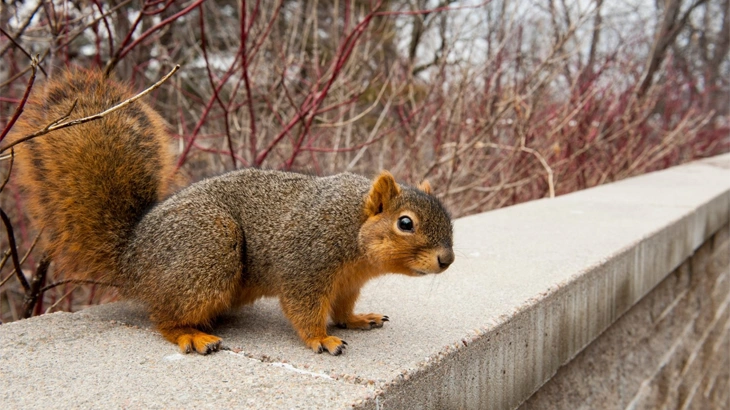
November marks a crucial time for the Fox Squirrel (Sciurus niger) across North America. As the largest tree squirrel species on the continent, Fox Squirrels are well known to hunters, birdwatchers, and wildlife photographers. Their bold behavior, rich fur, and distinct seasonal patterns make them an important focus during late fall.
By November, these squirrels are busy preparing for winter, which means they are highly visible and active in woodlands, edge habitats, and even suburban parks. For hunters and naturalists, this month offers excellent opportunities to observe their foraging, caching, and movement patterns.
Behavior and Biology in November
Feeding and Caching
During November, Fox Squirrels increase their foraging intensity to build winter food stores. They cache acorns, hickory nuts, and other mast in scattered ground or tree locations. This scatter-hoarding behavior peaks in late fall when food is abundant and winter approaches.
Reproduction and Adaptation
Most breeding for Fox Squirrels occurs in mid-winter and late summer, so November is a transitional period. Females are generally not in estrus, but both sexes are strengthening body condition ahead of the colder months. Their fur becomes denser and often shows a richer color, providing both warmth and camouflage.
Movement and Daily Activity
Fox Squirrels are diurnal, with activity peaking in early morning and late afternoon. In November, their home ranges may shrink slightly as they focus on known food sources, but they still travel between feeding and nesting areas. They remain solitary except for family groups or overlapping ranges.
Hunting Activity in November
Season Timing
In many U.S. states, November coincides with the heart of small-game season. Regulations vary by state, but most allow hunting through late fall. Always check local wildlife agency guidelines for exact dates, bag limits, and any special area restrictions.
Methods and Gear
Common hunting methods include still hunting and spot-and-stalk along hardwood ridges, creek bottoms, and mast-producing stands. Hunters typically use small-caliber rifles (.22 LR) or shotguns with light shot (#5–#7½) to minimize meat damage. Camouflage clothing that blends with late-fall foliage helps reduce detection.
Ethical Considerations
Ethical squirrel hunting involves precise shooting, adherence to bag limits, and minimizing disturbance to non-target wildlife. Since Fox Squirrels are critical for seed dispersal, responsible harvest ensures sustainable populations for the future.
Ecological Role in November
Fox Squirrels play an essential role in oak and hickory forest regeneration through scatter hoarding. Many cached nuts are never retrieved, allowing germination in spring. In November, their intensive caching activity directly influences the next generation of hardwood trees. They also serve as prey for hawks, owls, bobcats, and other predators preparing for winter.
Regional Differences
Activity levels vary regionally. In the Midwest and Southeast, Fox Squirrels may still find abundant mast, resulting in higher visibility and longer foraging times. In northern states, colder weather may shorten their activity window, with squirrels spending more time in leaf nests or cavities. Western populations in open pine or mixed habitats adjust their caching to local seed crops.
Practical Tips for Hunters and Naturalists
- Scout Mast Trees: Identify acorn-rich oaks and hickories ahead of time for the best hunting or viewing opportunities.
- Use Quiet Approaches: Move slowly and pause often; Fox Squirrels rely on sight and sound to detect danger.
- Dress in Layers: November temperatures can fluctuate; comfortable clothing improves focus and safety.
- Observe for Photography: Early morning light highlights their fur and active caching behavior.
Quick Reference Table
| Aspect | Details |
|---|---|
| Species Name | Fox Squirrel (Sciurus niger) |
| Month | November |
| Behavior | Peak caching of nuts, increased foraging, preparing for winter |
| Hunting Activity | Small-game seasons open in most states; still hunting and spot-and-stalk effective |
| Hunting Season | Typically September–January depending on state regulations |
| Regions | Widespread across Midwest, Southeast, parts of Northeast and West |