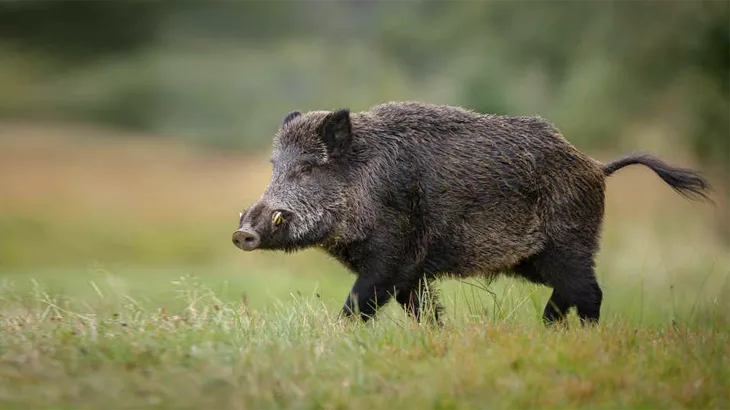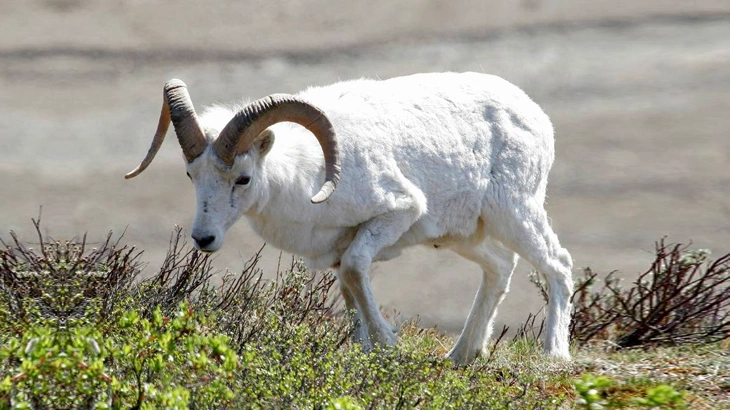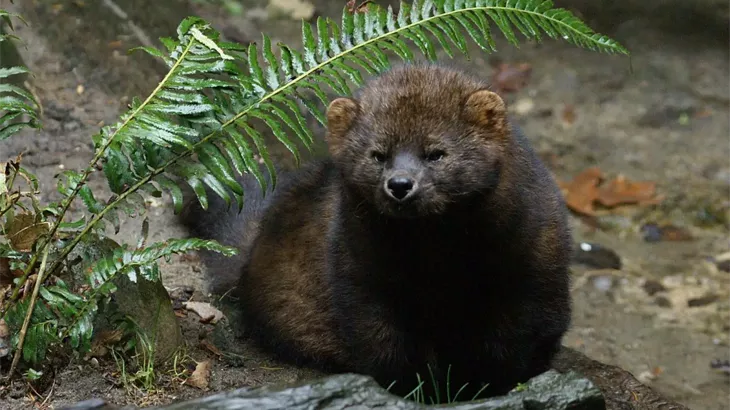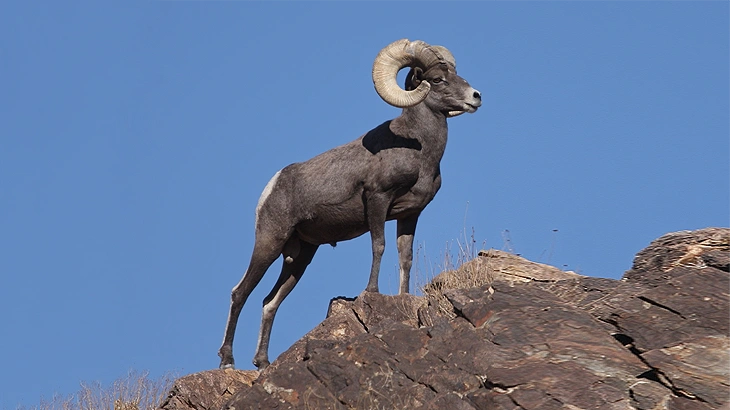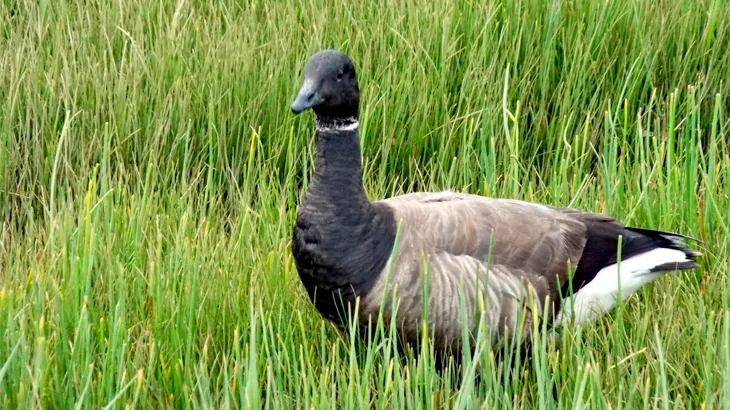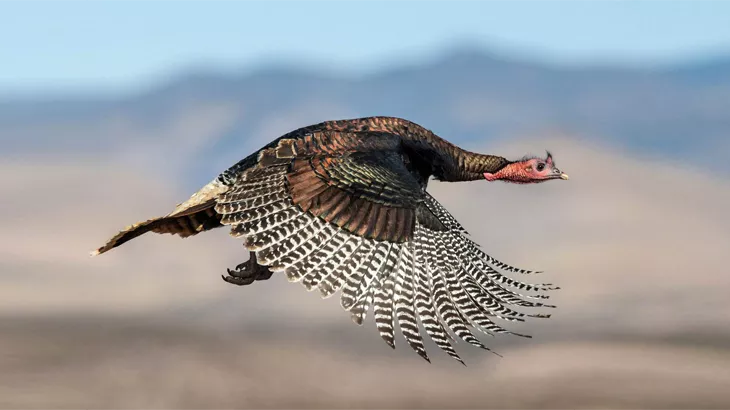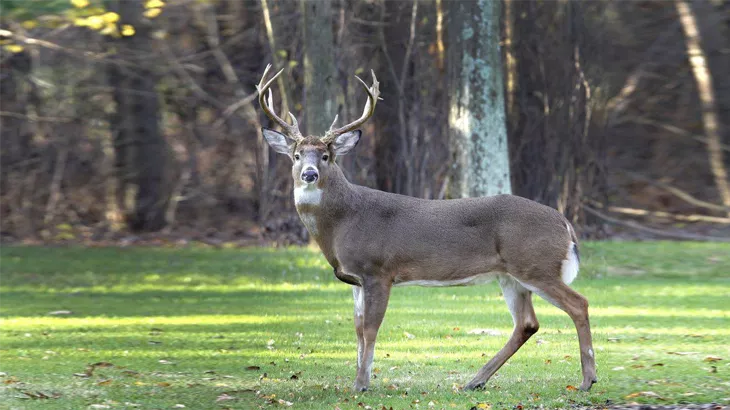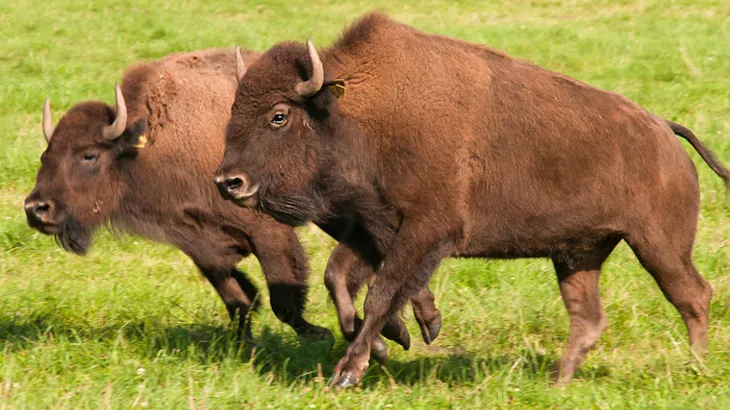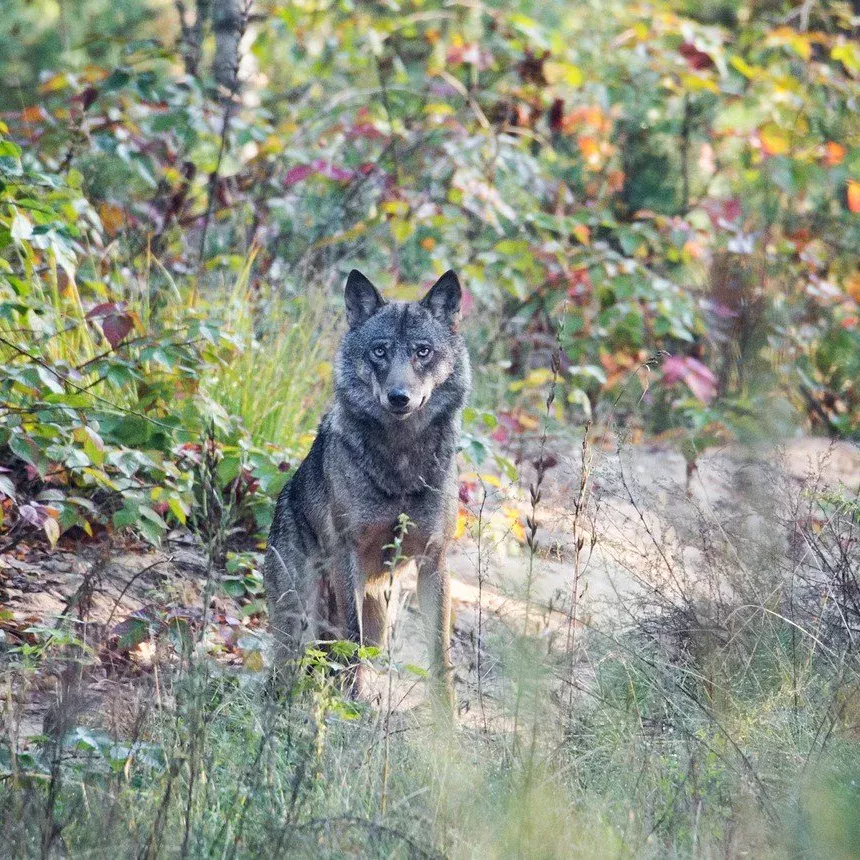


September marks the beginning of hunting seasons in many states. Track early migrations, rut signs, and big game movement by region.
September marks the end of the breeding season for most fur-bearing mammals. Juveniles, now fully grown, begin leading independent lives. Many species initiate their autumn molt, replacing their lighter summer coats with thicker, insulating winter fur. The abundant feeding during summer allows animals such as beavers, foxes, and squirrels to build fat reserves, essential for surviving the coming harsh winter months.
Bird life in September is dominated by migration and molt.
Migration and Flocking
Northern and temperate regions see the departure of many species from their breeding grounds. Late fledglings, especially in northern areas, continue to grow and learn to fly. Adult birds complete their summer-autumn molt and begin transitioning into winter plumage, with some species showing early signs of breeding plumage molt. Large flocks of waterfowl, shorebirds, and songbirds form and undertake seasonal movements southward.
Migration Highlights
Canada geese, ducks, sandpipers, and other shorebirds gradually move south, often in large groups. Cranes soar in high-altitude flights, signaling the changing season.
Regional Observations
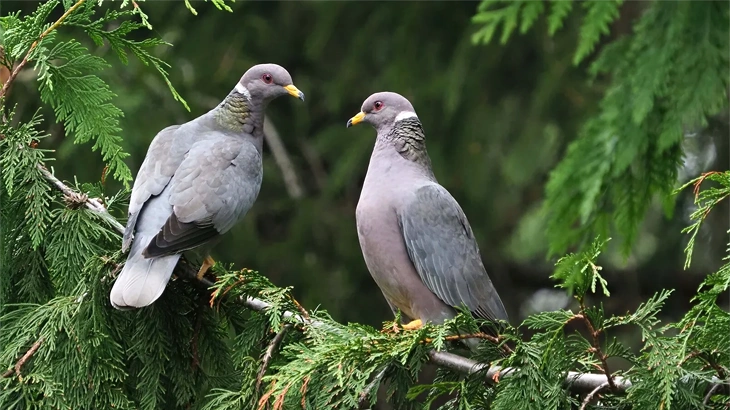
In mid-latitudes, migrating species include long-billed curlews, dowitchers, sandpipers, teal, and other waterfowl. By late September, mourning doves complete their departure; pigeons, rails, and various shorebirds begin their southward flights.
September is a key month for hunting migratory game birds and upland species. Methods include:
Still Hunting and Ambush targeting doves, rails, and woodcock.
Hunting with Dogs for grouse and pheasants.
Driven Hunts for larger upland birds.
Hunters must be mindful that some species like rails are shy and prone to flushing early, while others, such as doves, may be more visible but wary. Patience, knowledge of habitat use, and silent movement remain critical for success.
| Region | September Wildlife Activity |
|---|---|
| Northern Forests/Tundra | End of breeding; molt; peak migration; formation of large flocks |
| Mid-Latitudes | Active migration; molting adults; flock movement |
| Southern U.S. | Arrival of migrants; preparation for winter |
| Wetlands & Flyways | Concentration of waterfowl and shorebirds for migration |
| Phenomenon | Details |
|---|---|
| Mammals | End of breeding; molt begins; fat accumulation |
| Birds | Peak migration; molt; flocking; departure from breeding areas |
| Migration Species | Geese, ducks, shorebirds, cranes |
| Hunting | Upland and migratory bird hunting; still hunting; driven hunts |
| Conservation Notes | Follow season dates; protect critical habitats during migration |