
Band-tailed Pigeon in September
Introduction
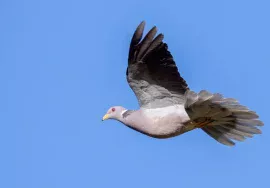
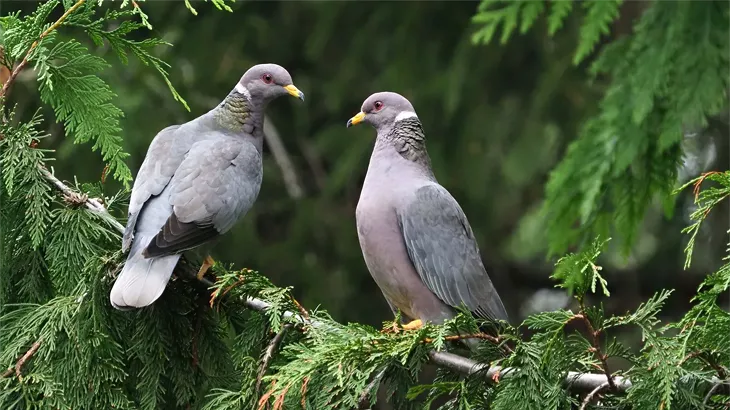
September is a pivotal month for the Band-tailed Pigeon (Patagioenas fasciata), one of North America’s most iconic upland game birds. As summer transitions into fall, these pigeons shift their behavior, food sources, and movement patterns. For hunters, this month often marks the start of hunting opportunities in certain states, while for birdwatchers and naturalists, September provides excellent chances to observe flocking and migration behavior.
Understanding the seasonal activity of Band-tailed Pigeons in September is critical for planning hunts, tracking population trends, and appreciating their ecological role. Their presence reflects the health of oak woodlands, coniferous forests, and mountain habitats across the western United States.
Behavior and Biology
Migrations
By September, Band-tailed Pigeons begin their southward movements from breeding areas in the Pacific Northwest and Rocky Mountains toward wintering grounds in the Southwest and Mexico. While migration is not yet at full peak, larger flocks become more noticeable as birds prepare for longer flights.
Feeding
This month, Band-tailed Pigeons rely heavily on acorns, berries, and other mast crops that ripen in late summer and early fall. They also continue to visit mineral springs or salt licks, which provide essential nutrients for migration readiness.
Breeding and Adaptation
The breeding season typically winds down by early September. Fledglings from late-season nests are now independent and may be seen joining adult flocks. Adaptively, the pigeons increase fat reserves to prepare for migration, which influences their feeding behavior and flocking patterns.
Hunting Activity
Hunting Practices
In states where hunting is permitted, such as Oregon, Washington, Colorado, and New Mexico, September often marks the opening of Band-tailed Pigeon hunting season. Shotguns with non-toxic shot are typically required, and hunters often target pigeons at feeding areas or flight paths near roosting sites. Decoys and calls may help, though scouting natural food sources is often the most effective strategy.
Seasonal Regulations
Seasons are short and tightly regulated, with low bag limits to protect this migratory species. Regulations vary by state, so hunters must check local wildlife agency guidelines. Harvest reporting is often mandatory to aid in population monitoring.
Ecological Role
In September, Band-tailed Pigeons play an important ecological role as seed dispersers. By consuming acorns, berries, and fruits, they spread seeds across wide areas, contributing to the regeneration of oak and pine forests. They also serve as prey for raptors such as goshawks, falcons, and Cooper’s hawks, which rely on pigeon flocks as part of their fall diet.
Regional Differences
Activity patterns differ across their range. In the Pacific Northwest, September marks the beginning of southward migration, and birds become less predictable. In California, Band-tailed Pigeons may remain longer in oak habitats as acorns peak in availability. In the southern Rockies and New Mexico, birds begin to concentrate near traditional roosting and feeding sites, providing reliable hunting opportunities.
Practical Tips
- For hunters: Scout oak stands and berry patches before the season opens; look for morning and evening flight paths.
- For birdwatchers: Watch flocks near mineral springs or high ridges where pigeons stage before migration.
- For naturalists: Note flock sizes and feeding behaviors as indicators of mast crop health in the region.
Quick Reference Table
| Aspect | Details |
|---|---|
| Species | Band-tailed Pigeon (Patagioenas fasciata) |
| Month | September |
| Behavior | Flocking, feeding on acorns and berries, early migration |
| Hunting Activity | Active in states with open seasons; low bag limits |
| Hunting Season | Opens in early September in several western states |
| Regions | Pacific Northwest, California, Rocky Mountains, Southwest |