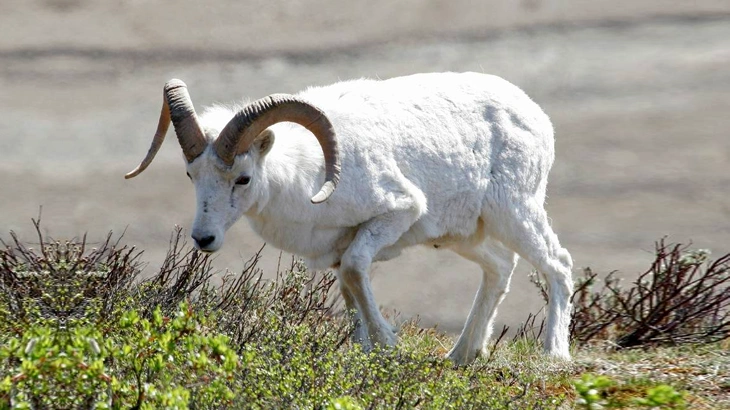
Dall Sheep in September
Introduction
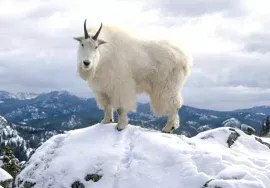
September marks a critical period for Dall Sheep in North America, particularly in Alaska and the northern Rocky Mountains. As summer ends and temperatures begin to drop, these iconic mountain ungulates prepare for the upcoming rut and winter months. This transitional period is essential for hunters, wildlife enthusiasts, and naturalists who wish to understand or observe the behavior of Dall Sheep in their natural habitats.
For hunters, September offers opportunities to plan and track sheep movements, as animals become more concentrated in accessible alpine areas. Naturalists and photographers benefit from observing their seasonal behavior, including grazing patterns and social interactions within rams and ewes.
Behavior and Biology
Migration and Movement
In September, Dall Sheep typically move from higher summer grazing areas toward lower, more sheltered valleys in preparation for winter. Their movements are influenced by food availability, snow accumulation, and predator presence. Herds often become more stable in size, as young lambs are weaned and group dynamics adjust for the upcoming rut.
Feeding and Nutrition
During this month, Dall Sheep focus on maximizing nutrient intake to build fat reserves for winter. Their diet primarily includes grasses, sedges, and alpine herbs. Foraging occurs mostly during early morning and late afternoon, when temperatures are moderate.
Reproduction and Social Behavior
While the rut usually peaks in late October, September is a period of preparatory behavior. Rams start establishing dominance hierarchies through displays and minor clashes. Social groups are largely segregated by sex at this time, with ewes and lambs forming separate flocks from bachelor rams.
Hunting Activity
Hunting Practices
September marks the opening of many Dall Sheep hunting seasons, especially for archery and early rifle hunts in Alaska. Hunters employ spot-and-stalk strategies due to the sheep’s alpine habitat, using binoculars and scopes to locate flocks from ridgelines. Ethical hunting practices emphasize fair chase, minimal disturbance to non-target animals, and adherence to state regulations.
Seasonal Limitations
Hunting is regulated by state agencies, and tags are often limited in number. Seasonal restrictions ensure sustainable populations, and hunters must check for specific regional rules regarding bag limits and weapon types.
Ecological Role
Dall Sheep are important herbivores in alpine ecosystems. They influence plant community composition through grazing and provide prey for predators such as wolves and golden eagles. Their seasonal movements contribute to seed dispersal and nutrient cycling across mountain landscapes.
Regional Differences
Activity patterns of Dall Sheep vary slightly by region. In Alaska’s northern ranges, September sees concentrated flocks moving to wintering grounds, whereas in the southern Rocky Mountains, sheep may remain at higher elevations longer. Regional weather conditions and predator density also influence herd behavior and accessibility for hunters and observers.
Practical Tips
- Use high vantage points to spot sheep early in the morning or late afternoon.
- Pack layered clothing and gear suitable for alpine conditions, including sudden temperature changes.
- Observe from a distance to avoid disturbing lambs and ewes.
- Consult local wildlife agencies for up-to-date hunting regulations and tag requirements.
- Plan for physically demanding hikes; Dall Sheep terrain is steep and rugged.
Quick Reference Table
| Aspect | Details |
|---|---|
| Scientific Name | Ovis dalli |
| Month | September |
| Behavior | Preparation for rut, herd movements to wintering grounds, grazing intensively |
| Hunting Activity | Spot-and-stalk, archery and rifle hunts begin in many regions |
| Hunting Season | Early September through October (varies by state) |
| Regions / Range | Alaska, northern and southern Rocky Mountains |