
American Bison in September
Introduction
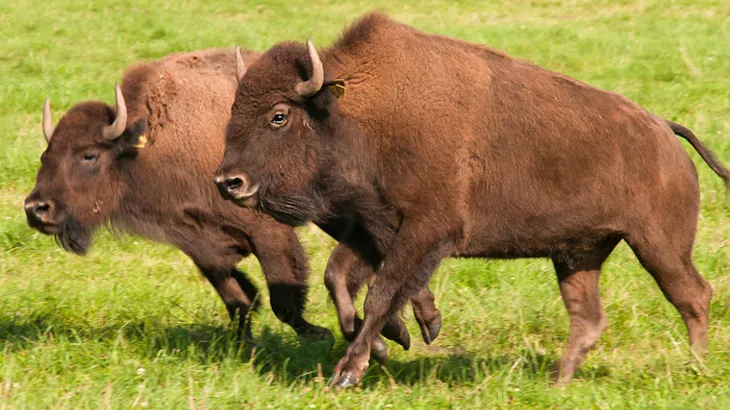
September is a pivotal month for the American Bison (Bison bison) across North America. As summer heat gives way to cooler fall temperatures, these massive animals shift their behavior, diet, and movements. For hunters, naturalists, and wildlife enthusiasts, September marks a transition period when bison are more active, easier to observe, and subject to specific hunting opportunities. Understanding their seasonal rhythms can help hunters plan more effectively and allow wildlife watchers to witness one of North America’s most iconic species in its natural cycle.
Behavior and Biology in September
Feeding and Foraging
In September, bison begin increasing their foraging activity in preparation for the coming winter. Herds graze heavily on native grasses, often moving to areas where late-summer and early-fall growth remains lush. Their digestive efficiency allows them to process coarse grasses that many other ungulates cannot, ensuring they remain resilient as food availability shifts.
Breeding and Rut
The peak of the bison rut usually occurs in late July and August, but September still sees lingering mating behaviors. Bulls may remain close to cows, though the intensity of dominance displays and vocalizations decreases compared to earlier months. Younger bulls often use this period to test their strength with light sparring matches, setting the stage for future dominance.
Movement and Adaptation
As cooler nights arrive, bison herds begin adjusting their range, sometimes moving toward lower elevations or regions with more dependable forage. This period of adjustment is crucial for their survival during the harsher months ahead, as the animals naturally seek areas that will sustain them through winter.
Hunting Activity in September
Seasonal Timing
Bison hunting seasons are limited and vary widely depending on state regulations and tribal lands. In some regions, September coincides with special managed hunts. These hunts are tightly regulated to maintain stable populations and emphasize ethical practices. Hunters must secure permits well in advance, as tags are often allocated through lotteries.
Methods and Equipment
Spot-and-stalk is the most common method for September hunts, especially as bison gather in open grasslands where cover is limited. Long-range optics and rifles chambered for high-powered calibers are essential due to the size and resilience of the animal. Archery hunts, though less common, require expert skill and precise shot placement.
Seasonal Challenges
September weather can vary widely across the bison’s range from warm plains in the south to chilly mountain valleys in the north. Hunters must prepare for unpredictable conditions, ranging from hot afternoons to frosty mornings. Field care of meat is critical, as daytime heat can compromise preservation if not managed quickly.
Ecological Role in September
During September, bison continue to shape their ecosystems through grazing, which helps maintain prairie health and biodiversity. Their wallowing behavior creates microhabitats for insects and birds, while their dung supports nutrient cycling. Predators such as wolves and bears may test herds during this period, but adult bison remain formidable opponents, protecting calves and weaker members as a group.
Regional Differences
In the northern plains (Montana, North Dakota, South Dakota), bison may already begin slight seasonal migrations toward sheltered valleys. In the southern plains (Oklahoma, New Mexico), September conditions remain warmer, and forage is often still abundant. Mountain herds in Wyoming and Colorado use this month to shift ranges toward lower elevations where early snow is less likely to limit food access.
Practical Tips
- For hunters: Secure permits early, practice ethical hunting, and prepare for rapid field processing in fluctuating September weather.
- For observers: September is an excellent time to witness the tail end of rutting behavior while enjoying cooler conditions and active herds.
- For land managers: Monitor grazing patterns closely, as bison can significantly influence vegetation ahead of winter dormancy.
Quick Reference Table
| Aspect | Details |
|---|---|
| Scientific Name | Bison bison |
| Month | September |
| Behavior | Heavy grazing, post-rut activity, range adjustments |
| Hunting Activity | Spot-and-stalk, rifle and archery methods; limited permits |
| Hunting Season | Varies by state and tribal regulations |
| Regions | Northern Plains, Southern Plains, Rocky Mountains |