
Wild Boar in September
Introduction
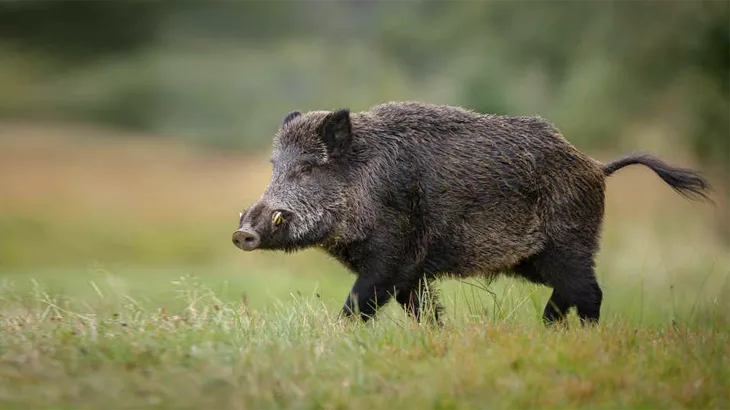
September marks an important period for wild boar, also known as feral hogs, across North America. As summer transitions into fall, these resilient animals adapt their feeding and movement patterns to prepare for cooler months ahead. For hunters, September presents a prime opportunity to track and harvest this invasive yet highly abundant species. For naturalists and wildlife enthusiasts, it is a month to observe how wild boars influence ecosystems through their foraging behavior and interactions with other species.
Because wild boars reproduce rapidly and cause significant ecological damage, they are both a conservation challenge and a sought-after game animal. Understanding their behavior in September provides valuable insights for hunters aiming to maximize success and for land managers working to reduce population impacts.
Behavior and Biology
Feeding and Activity
In September, wild boars intensify their foraging as acorns, nuts, and crops like corn and soybeans reach harvest maturity. Their opportunistic diet includes roots, tubers, insects, carrion, and small vertebrates, making them highly adaptable. Cooler evenings extend their active hours, and hunters may find them foraging more openly during twilight and early night.
Reproduction
While wild boars can breed year-round, September often coincides with peaks in reproductive activity due to abundant food resources. Sows may raise litters of piglets, which are often seen traveling with family groups. This high reproductive rate contributes to population surges, further reinforcing their status as an invasive species.
Movement and Adaptation
As agricultural harvests accelerate, wild boars expand their range into farmland. They exploit food-rich areas, sometimes causing extensive crop damage. Their excellent sense of smell helps them locate both natural and cultivated food sources, while their social groups (sounders) often coordinate movement to maximize feeding opportunities.
Hunting Activity
Best Practices
September is an ideal month for wild boar hunting, as animals are highly active in fields and forest edges. Common methods include spot-and-stalk hunting, baiting (where legal), and nighttime thermal imaging hunts. Firearms ranging from rifles to shotguns with slugs are preferred, though archery hunters also find success during this time.
Regulations and Considerations
In many U.S. states, wild boar hunting is encouraged year-round with minimal restrictions, given their invasive nature. However, hunters must always check local regulations regarding night hunts, use of dogs, and baiting. Ethical hunting practices stress quick, humane kills and responsible carcass disposal to prevent disease spread.
Ecological Role
In September, wild boars exert immense pressure on ecosystems. Their rooting behavior disturbs soil, damages native vegetation, and reduces ground cover for other species. They also compete with native wildlife such as deer and turkeys for food resources. Predators like coyotes, bobcats, and mountain lions may prey on piglets, but few natural checks exist for adults. As agricultural harvests progress, feral hogs can devastate fields and pastures, creating both economic and ecological consequences.
Regional Differences
Wild boar activity in September varies by region:
- Southeast (Texas, Louisiana, Florida): Peak agricultural feeding in corn and soybean fields, with high hunter success rates.
- Southwest (Arizona, New Mexico): Activity centers around riparian areas and oak woodlands as acorns begin to drop.
- Midwest: Crop damage is most severe during harvest season; boars often raid cornfields at night.
- West Coast: California hunters find hogs concentrated in oak-covered hillsides and vineyards.
Practical Tips
- Scout agricultural edges and oak woodlands for fresh rooting and tracks.
- Use thermal optics or night vision for effective nighttime hunts.
- Position stands near water sources, as hogs remain heat-sensitive despite cooler weather.
- Practice scent control: wild boars have exceptional olfactory senses.
- Coordinate with landowners, as many actively seek hunters to reduce damage.
Quick Reference Table
| Aspect | Details |
|---|---|
| Species | Wild Boar (Feral Hog) |
| Scientific Name | Sus scrofa |
| Month | September |
| Behavior | Active feeding on crops, acorns, and roots; expanded range in farmland |
| Hunting Activity | High success rates in fields and forest edges, especially at night |
| Hunting Season | Year-round in most states; regulations vary |
| Regions | Southeast, Midwest, West Coast, parts of Southwest |