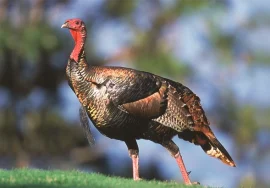

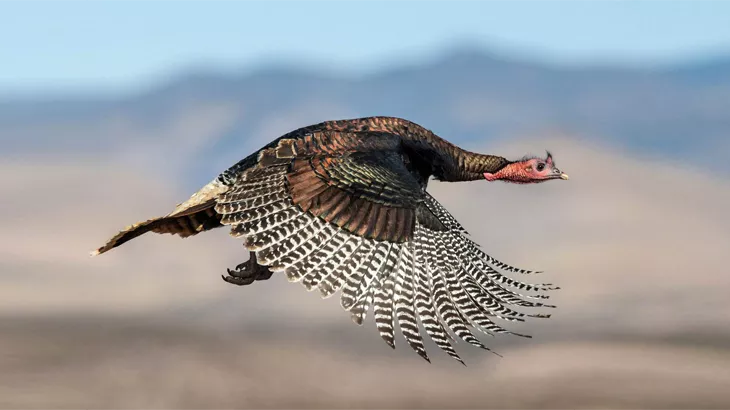
Wild Turkey in September
Introduction
September marks a transitional period for the wild turkey (Meleagris gallopavo) across North America. As summer wanes and fall approaches, these birds adjust their behavior, feeding habits, and social structures in preparation for the colder months ahead. For hunters and wildlife enthusiasts, this month provides a unique opportunity to observe and understand turkeys in a phase of high activity and adaptation.
While spring remains the primary hunting season in most states, September offers critical scouting opportunities. It is also a month when naturalists and land managers can study how turkeys respond to shifting food availability and predator dynamics.
Behavior and Biology
Feeding and Foraging
In September, wild turkeys shift their diet toward the abundance of fall foods. Acorns, seeds, insects, and leftover crops become their primary nourishment. Mast crops like oak and beech nuts are especially important, providing the energy reserves needed for the upcoming winter.
Social Structure
By this month, broods are nearly grown, and young poults begin integrating into larger flocks with hens. Gobblers often separate into bachelor groups. This regrouping behavior creates larger and more noticeable flocks, making them easier to spot for scouting purposes.
Seasonal Adaptation
Turkeys adapt to cooling temperatures by adjusting their roosting habits. They may shift from open summer roosts to more sheltered areas in preparation for harsher conditions. Their daily movement patterns also expand as they search for reliable food sources.
Hunting Activity
Seasonal Regulations
Fall turkey hunting is open in September in certain U.S. states, including parts of the Northeast and Midwest. Regulations vary widely, so hunters must check local wildlife agency guidelines for bag limits, legal weapons, and season dates.
Methods and Strategies
Fall hunting differs from spring hunting. Instead of calling gobblers during the breeding season, hunters often use flock calls, kee-kee runs, or assembly yelps to mimic separated birds. Breaking up a flock and then calling them back is a common tactic. Archery equipment is also popular in September due to overlapping deer seasons in many states.
Gear Considerations
Light camouflage suited to early fall foliage works best. Shotguns with turkey loads remain standard, though archery hunters often find success when turkeys feed in agricultural fields. Binoculars are useful for scouting flocks at a distance.
Ecological Role
In September, wild turkeys continue to play a key role in seed dispersal as they forage heavily on nuts and berries. Their foraging also influences insect populations, as they consume grasshoppers, beetles, and other invertebrates. Predators such as coyotes, foxes, and raptors rely on turkey poults and weaker birds, maintaining a natural ecological balance.
Regional Differences
Across the U.S., wild turkey behavior in September varies by habitat and climate:
- Northeast: Turkeys focus on acorns and early mast crops, flocking in hardwood forests.
- Midwest: Birds often forage in harvested corn and soybean fields, offering hunters clear observation opportunities.
- South: Turkeys remain active in mixed pine and hardwood forests, feeding on seeds and insects before mast crops fully ripen.
- West: Populations in mountainous terrain rely on meadows, oak woodlands, and scrubland food sources.
Practical Tips
- Scout agricultural fields at dawn and dusk to locate feeding flocks.
- Use kee-kee calls to attract young turkeys rejoining flocks.
- Pay attention to mast-producing trees, as they are high-traffic areas for turkeys in September.
- Hunters should prepare for flock dynamics, as birds are more wary and less vocal than in spring.
- Wildlife watchers can track turkey movement patterns more easily as flocks regroup into larger units.
Quick Reference Table
| Aspect | Details |
|---|---|
| Species | Wild Turkey (Meleagris gallopavo) |
| Month | September |
| Behavior | Flock formation, heavy foraging on mast crops, poults nearly grown |
| Hunting Activity | Fall hunting in select states; tactics include flock breakup and calling |
| Hunting Season | Open in some states; archery overlaps with deer season |
| Regions | Northeast, Midwest, South, and parts of the West |