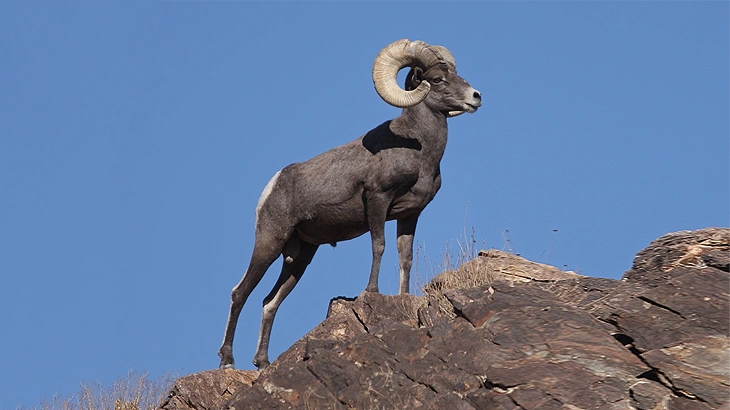
Bighorn Sheep in September
Introduction
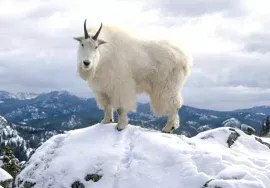
September is a turning point for Bighorn Sheep across North America. As summer fades and cooler air arrives, herds begin shifting behaviors in preparation for the fall rut. For hunters and wildlife enthusiasts, this month offers a unique blend of observation opportunities and, in select regions, hunting season openings.
September marks the start of early rutting behavior among rams, increased movement across mountainous terrain, and changes in foraging patterns as alpine plants lose their summer vigor. For hunters, this is a crucial time to scout and prepare, while naturalists can observe fascinating herd dynamics emerging before the breeding season.
Behavior and Biology
Feeding and Movement
In September, Bighorn Sheep gradually transition from alpine meadows to slightly lower elevations as vegetation shifts with cooling temperatures. They feed on grasses, sedges, and shrubs that remain green in late summer and early fall. This movement also positions them closer to areas where rutting will intensify in October and November.
Social Structure
Rams remain in bachelor groups, but light sparring grows more frequent as dominance hierarchies begin forming ahead of the rut. Ewes and lambs continue in nursery bands, focusing on feeding and strengthening young animals before winter. Lambs, now several months old, are more independent but still rely on group protection.
Adaptations
September demands agility and resilience as herds adjust to shorter days and declining alpine forage. Bighorn Sheep exploit their climbing ability to stay safe from predators such as mountain lions and wolves, while still accessing remaining patches of nutritious vegetation.
Hunting Activity
Seasonal Opportunities
In several western states, September coincides with the opening of Bighorn Sheep hunting seasons. These tags are limited and highly sought after, requiring extensive planning and physical preparation. For successful hunters, September hunts offer cooler weather and herds in more predictable locations compared to later in the season.
Hunting Methods
Spot-and-stalk hunting remains the primary method. Hunters spend long hours glassing distant ridges and basins, then planning stealthy approaches. Patience and endurance are essential, as sheep inhabit steep and remote landscapes. Mature rams are the primary targets to ensure sustainable herd management.
Regulations
Strict conservation rules apply, with each state issuing a small number of tags. Hunters must adhere to unit boundaries, seasonal timing, and reporting requirements. Because populations are fragile in certain areas, harvest limits are tightly enforced.
Ecological Role
In September, Bighorn Sheep contribute to ecosystem balance by grazing alpine and subalpine vegetation, preventing overgrowth and supporting plant diversity. They remain a prey base for apex predators preparing for harsher winter months. Their seasonal movement also redistributes nutrients across mountainous terrain, aiding soil and plant health.
Regional Differences
In the Rocky Mountains, Bighorn Sheep linger in high basins but begin moving downward as frost touches alpine meadows. In the Sierra Nevada and desert ranges of the Southwest, September marks a critical reliance on water sources, with sheep concentrating around springs and seeps. Regional conditions heavily influence both animal distribution and hunting strategies.
Practical Tips
- For hunters: Scout bedding areas and travel corridors before hunts begin; focus on early rut activity among bachelor rams.
- For wildlife watchers: Use binoculars and spotting scopes to safely view herds from ridgelines without disturbing natural behavior.
- For naturalists: Track early rut interactions to better understand how dominance and breeding success are established.
Quick Reference Table
| Aspect | Details |
|---|---|
| Species | Bighorn Sheep |
| Month | September |
| Behavior | Feeding shifts to lower elevations; rams increase sparring; nursery groups remain stable |
| Hunting Activity | Opening of hunting seasons in select western states; spot-and-stalk is primary method |
| Hunting Season | Early to mid-September in certain units |
| Regions | Rocky Mountains, Sierra Nevada, desert ranges of Nevada, Arizona, New Mexico |