
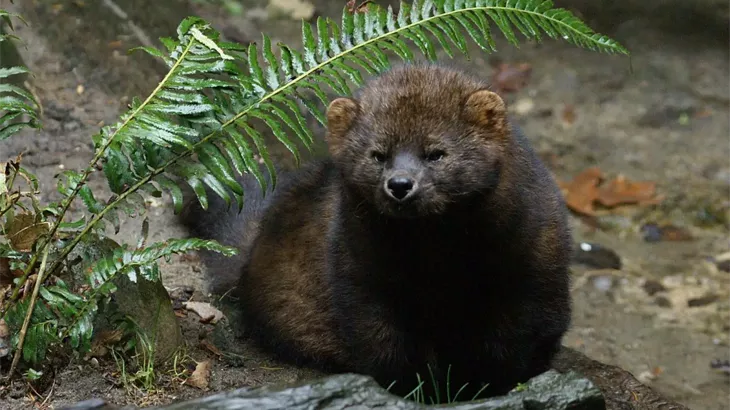
Fisher in September
Introduction
September marks an important transition period for Fishers (Pekania pennanti) across North America. As summer winds down, Fishers adjust their activity patterns in preparation for the upcoming fall and winter months. This period is crucial for hunters, wildlife observers, and naturalists who want to understand the seasonal habits of this elusive mammal.
During September, Fishers are often more active during the day and night, increasing their foraging activity to build energy reserves for the colder months. Understanding these behavioral changes allows enthusiasts to plan effective wildlife observation or regulated hunting trips.
Behavior and Biology
Activity and Movement
In September, Fishers exhibit heightened activity as they forage intensively for food. Their diet primarily consists of small mammals, birds, insects, and seasonal fruits. Fishers are solitary and territorial, but this month can bring more noticeable movements as they establish fall hunting territories.
Reproduction and Adaptation
Although breeding season occurs later in the winter, September is a key preparatory month. Fishers focus on increasing fat stores and strengthening physical condition. They adapt to fluctuating temperatures by selecting den sites with optimal shelter, often in hollow trees or rock crevices.
Hunting and Seasonality
Hunting Practices
Fisher hunting is typically conducted with careful attention to state regulations. Hunters often use traps or spotting and calling methods in areas with dense forest cover. September may be an early pre-season period in some states, with specific restrictions on trapping and harvest limits.
Seasonal Activity
September is a transitional month in which Fishers are active both during twilight and nighttime hours. This activity pattern increases the chance of sightings or successful hunting if done legally. Hunters should be aware that Fishers are elusive and highly adaptive, requiring patience and strategic planning.
Ecological Role
Fishers play an important role in forest ecosystems by controlling populations of small mammals, contributing to the balance of prey species, and indirectly influencing plant growth. In September, their predatory activity helps regulate rodent populations that could otherwise impact seedling survival and forest regeneration.
Regional Differences
Across North America, Fisher behavior in September varies by region. In the northern states and Canada, Fishers may begin preparing for early winter conditions, while in southern regions they remain more active and foraging is less restricted by weather. Seasonal prey availability also affects their movement patterns across different habitats.
Practical Tips
- Use high vantage points or natural trails to increase observation opportunities.
- Check local regulations before attempting trapping or hunting in September.
- Focus on areas with abundant small mammals and fruit-bearing vegetation.
- Remain patient; Fishers are elusive and often avoid human presence.
Quick Reference Table
| Aspect | Details |
|---|---|
| Species Name | Fisher (Pekania pennanti) |
| Month | September |
| Behavior | Increased foraging, territorial movement, fat accumulation |
| Hunting Activity | Trapping and limited hunting in regulated areas |
| Hunting Season | Varies by state; check local regulations |
| Regions | Canada, Northern and Eastern United States, forested areas |