
White-tailed Deer in September
Introduction
September signals the beginning of major changes in the life cycle of the White-tailed Deer (Odocoileus virginianus). For wildlife enthusiasts, this month is exciting: bucks shed their velvet and begin establishing dominance, while hunters in many states see the opening of archery season. Understanding deer behavior in September is essential for predicting movements, preparing for hunts, and appreciating the ecological shifts at the close of summer.
Behavior and Biology in September
Feeding and Nutrition
September marks the transition from lush summer forage to more high-energy autumn foods. Acorns, hickory nuts, apples, and persimmons become primary food sources where available. Bucks shift feeding patterns closer to bedding areas as they become more cautious with hunting pressure.
Antler Velvet Shedding
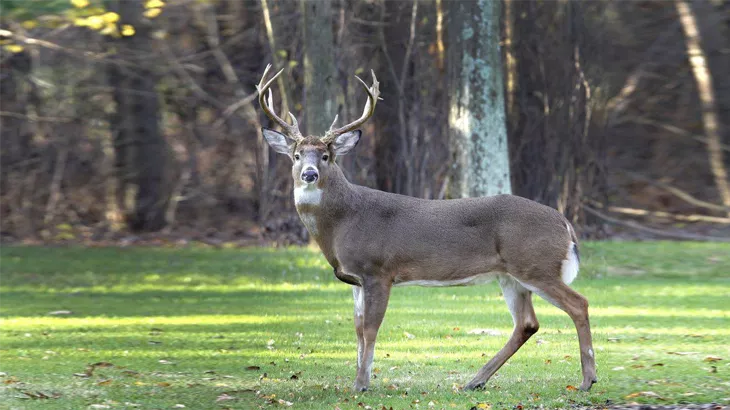
By early to mid-September, bucks shed their velvet, revealing hardened antlers. This is a visual signal of the rutting season approaching. Testosterone levels rise, and bucks begin sparring to establish early dominance hierarchies.
Social Structure
- Bucks: Bachelor groups disband as aggression increases.
- Does and Fawns: Family groups remain intact, with fawns now nearly weaned.
- Overall Activity: Increased movement, particularly at dawn and dusk, as deer adjust to shortening daylight hours.
Hunting Activity in September
Season Openings
- Archery season opens in many states, giving hunters their first chance at harvesting deer.
- Some southern states continue rifle season from August, while others wait until October.
Effective Hunting Strategies
- Hunt near food sources: Early season deer are highly patternable around acorns and agricultural fields.
- Focus on bedding-to-feeding routes: Evening hunts are often more productive.
- Use trail cameras wisely: September is the month when deer patterns can still be predicted before rut-driven randomness begins.
- Scent control and stealth: Crucial as deer are on alert with increased hunting pressure.
Equipment
- Archery gear (compound bows, crossbows, traditional bows).
- Lightweight camouflage suitable for lingering warm weather.
- Climbing tree stands or saddle hunting systems for mobility.
Ecological Role in Early Fall
White-tailed deer in September play a pivotal role in shaping ecosystems:
- Heavy feeding on mast influences forest regeneration.
- Increased movement spreads seeds across landscapes.
- Predators shift focus to larger, stronger fawns.
- Localized overbrowsing pressure grows in agricultural zones, prompting conflict with farmers.
Regional Differences
Midwest
Oak woodlands dominate feeding patterns with acorns driving deer movements. Early-season bowhunters take advantage of predictable food sources.
Northeast
Cooler nights extend deer activity into daylight hours. Bucks establish scrapes and rub lines earlier than in the South.
South
September can still feel like summer. Water remains critical, and deer move late in the evening. Some states have rifle opportunities already open.
West
Deer follow elevation shifts, moving down from high mountain ranges as vegetation dries. Hunters glass open slopes and water sources.
Practical Tips for September
- For Hunters: Prioritize stealth—September deer are alert but still on feeding patterns. Scout bedding-to-feeding corridors and don’t overhunt one spot.
- For Wildlife Watchers: Early morning outings provide a chance to see velvet-free bucks sparring and creating rubs.
- For Landowners: Managing mast-producing trees can improve deer habitat.
- For Conservationists: Monitor deer pressure on crops and natural vegetation as feeding intensity increases.
Quick Reference Table
| Category | Details |
|---|---|
| Species | White-tailed Deer (Odocoileus virginianus) |
| Month | September |
| Behavior | Velvet shedding, bachelor groups breaking, feeding on acorns & mast, fawns nearly weaned |
| Hunting Activity | Early-season archery across many states, rifle in some southern zones |
| Hunting Season | Archery opener in most U.S. regions |
| Regions | Midwest (acorns), Northeast (cooler activity), South (water & late movement), West (elevation shifts) |