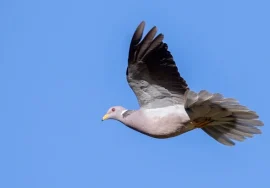

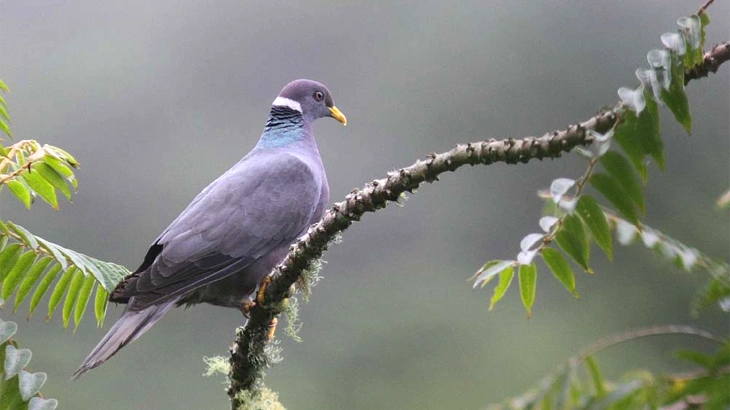
Band-tailed Pigeon in August
Introduction
August is a critical month for the Band-tailed Pigeon, a migratory bird that holds ecological and cultural importance across the western United States. Known for its elusive behavior and preference for forested mountain habitats, this species begins preparing for fall migration during late summer. For hunters, naturalists, and birdwatchers, August provides valuable opportunities to observe feeding habits, monitor movements, and prepare for the upcoming hunting season.
The Band-tailed Pigeon is one of the few native pigeon species in North America and has long been valued as both a game bird and an indicator of healthy ecosystems. August marks a transition period where flocks grow larger, food sources shift, and hunting regulations come into sharper focus. Understanding the species during this month helps enthusiasts appreciate its behavior while ensuring responsible and sustainable practices.
Behavior and Biology
Migration and Movement
In August, Band-tailed Pigeons begin staging for migration. While many remain in their high-elevation summer ranges, flocks gradually move toward lower elevations and areas rich in acorns, berries, and other mast crops. Their movement patterns are influenced heavily by food availability and weather conditions.
Feeding
This species relies on seasonally abundant foods. In August, they feed heavily on berries, seeds, and mineral-rich soils. Access to mineral springs and deposits is particularly important during this time, as these sources aid in digestion and provide essential nutrients before migration.
Breeding and Adaptation
Although most breeding occurs earlier in the summer, some late nesting can still occur in August, particularly in favorable climates. Juvenile pigeons begin joining adult flocks, adapting quickly to long-distance movement and flock dynamics.
Hunting Activity
Seasonal Timing
August is not typically open hunting season for Band-tailed Pigeons in most states, but it is a key preparation period for hunters. Scouting locations, monitoring food sources, and identifying flight paths provide advantages once hunting opens in September in certain regions.
Methods and Gear
When the season opens, hunters often rely on shotguns and lightweight gear. Decoys and calls can be effective, though pigeons are wary and demand careful concealment. Pre-season scouting in August allows hunters to identify roosting and feeding sites for more successful hunts later.
Ethical Considerations
Because populations of Band-tailed Pigeons have fluctuated in the past, ethical hunting practices are essential. Limiting disturbance during pre-season observation and adhering to bag limits once hunting begins helps maintain sustainable populations.
Ecological Role
Band-tailed Pigeons play an essential role in seed dispersal for numerous forest plants, particularly oaks and berry-producing shrubs. In August, their heavy feeding on fruiting plants contributes to ecosystem regeneration. They also serve as prey for raptors, including hawks and falcons, maintaining balance in predator-prey dynamics.
Regional Differences
In the Pacific Northwest, August flocks often concentrate around coastal forests and inland berry patches. In the Southwest, pigeons may gather in mountainous regions where pine seeds and juniper berries are abundant. California populations rely heavily on acorns and are more likely to be found in oak woodlands. These regional differences influence hunting strategies and wildlife observation.
Practical Tips
- For hunters: Use August to scout water sources and mineral licks, as pigeons often return to these areas regularly.
- For birdwatchers: Focus on early morning and late afternoon when flocks are most active at feeding sites.
- For naturalists: Track fruiting cycles of native plants—where food is abundant, Band-tailed Pigeons are likely to appear.
Quick Reference Table
| Aspect | Details |
|---|---|
| Species | Band-tailed Pigeon |
| Scientific Name | Patagioenas fasciata |
| Month | August |
| Behavior | Staging for migration, feeding on berries, mineral site use, late juvenile adaptation |
| Hunting Activity | Pre-season scouting, no active hunting in most regions |
| Hunting Season | Typically opens in September in select states |
| Regions | Western U.S. — Pacific Northwest, California, Southwest, Rocky Mountains |