
Band-tailed Pigeon in October
Introduction
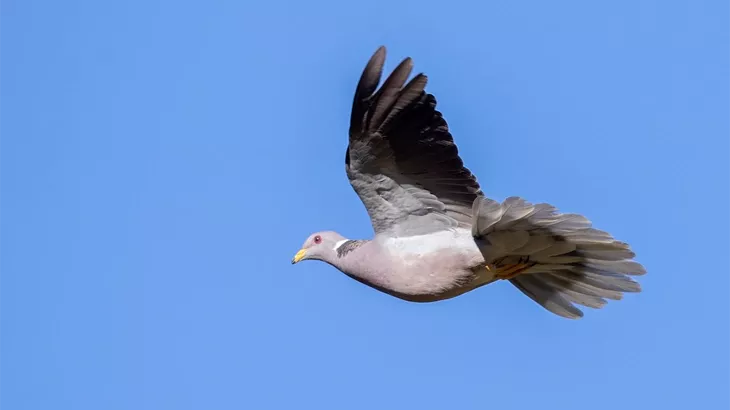
October marks a critical period for the Band-tailed Pigeon (Patagioenas fasciata) across the western United States. As the autumn season progresses, these migratory birds shift their focus to acorn-rich habitats, building energy reserves for the months ahead. For hunters and wildlife observers alike, October is one of the most active and rewarding months to encounter this species in the wild.
With hunting seasons opening in many states, Band-tailed Pigeons draw attention not only for their challenging pursuit but also for their role in forest ecology. Understanding their behavior in October helps hunters plan their strategies while allowing naturalists to appreciate the species’ seasonal adaptations.
Behavior and Biology
Migration Patterns
In October, Band-tailed Pigeons begin their southward migration. While some remain in the Pacific Northwest and Rocky Mountain regions, many move toward California, Arizona, and New Mexico, where acorns and berries provide abundant food. These flocks can number in the hundreds, making them more visible than in summer months.
Feeding
The diet in October is dominated by acorns, elderberries, and other mast crops. This nutritional intake helps pigeons accumulate fat reserves essential for migration and overwintering survival. Their strong bills are adapted for cracking acorn shells, giving them access to an energy-rich resource not utilized by many other birds.
Social Behavior
October flocks are cohesive and highly mobile, moving from one oak grove to another in search of food. Courtship activity is minimal during this period, as breeding occurs earlier in the year. Instead, survival and resource acquisition dominate their behavior.
Hunting and Seasonality
Hunting Practices
October is a prime month for hunting Band-tailed Pigeons in the western U.S. Legal hunting typically requires specialized permits and strict bag limits due to the species’ sensitivity to overharvest. Shotguns with non-toxic shot are commonly used, and hunters often employ pass-shooting techniques along flight paths near feeding areas.
Seasonal Considerations
Because pigeons are highly mobile in October, scouting is crucial. Hunters must locate feeding grounds and water sources that pigeons frequent daily. Early morning and late afternoon are the most productive times for hunting, aligning with peak flight activity.
Ecological Role
In October, Band-tailed Pigeons are critical dispersers of oak seeds and berry-producing shrubs. By consuming acorns and fruit, they spread seeds across wide areas during migration. They also serve as prey for raptors such as Cooper’s Hawks and Peregrine Falcons, maintaining balance in predator-prey dynamics.
Regional Differences
In the Pacific Northwest, October sightings begin to taper as pigeons migrate south. California and the Southwest, however, experience peak abundance as flocks arrive in oak woodlands and chaparral habitats. These regional shifts dictate where hunters and birdwatchers will find the highest concentrations of the species.
Practical Tips
- For Hunters: Scout oak groves and berry patches in advance, and be prepared for fast, high-flying targets. Carry proper permits and follow bag limit regulations strictly.
- For Birdwatchers: Focus on oak-dominated landscapes during morning and evening flights for the best chance to observe flocks.
- For Naturalists: Document feeding behavior and acorn dispersal patterns to contribute to citizen science and habitat studies.
Quick Reference Table
| Aspect | Details |
|---|---|
| Scientific Name | Patagioenas fasciata |
| Category | Upland Game Birds |
| Typical Weight | 8–9 oz (225–255 g) |
| Habitat | Oak woodlands, pine-oak forests, chaparral |
| Range | Pacific Northwest, California, Rocky Mountains, Southwest U.S. |
| Season | Hunting season opens in fall, peak activity in October |
| Conservation Status | Stable but locally declining; regulated hunting |