
Dusky Grouse in September
Introduction
September is a pivotal month for the Dusky Grouse across North America. As summer gives way to early autumn, these upland game birds adjust their feeding patterns, social behavior, and movements in preparation for the colder months. For hunters and wildlife observers alike, this is a prime time to witness the species’ seasonal transitions.
In September, many U.S. states open or continue their upland bird hunting seasons, making the Dusky Grouse an accessible and rewarding quarry. Understanding the bird’s habits during this month not only increases hunting success but also supports ethical and sustainable wildlife management.
Behavior and Biology
Feeding and Movement
As September progresses, Dusky Grouse shift from high-protein insect diets to more plant-based foods such as buds, berries, and leaves. This dietary change is critical for building fat reserves ahead of winter. Birds move between higher alpine meadows and mid-elevation forests depending on food availability and weather patterns.
Breeding and Adaptation
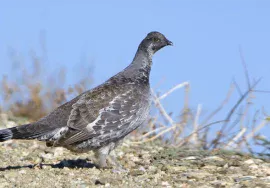
Breeding activity for the Dusky Grouse ends by late summer. By September, broods have matured enough to forage independently but still travel in loose family groups. Their plumage provides excellent camouflage in the fading vegetation, reducing predation risk as they transition to their winter ranges.
Hunting Activity in September
When and How to Hunt
September is a popular month for Dusky Grouse hunting because seasons in states like Colorado, Idaho, and Montana are typically open. Early morning and late afternoon hunts yield the best results as birds feed or move between cover. Walk-up hunting with a trained bird dog is common, as is still-hunting through mixed conifer forests and open ridges.
Methods, Gear, and Regulations
Light shotguns (20- or 12-gauge) with size 6 or 7½ shot are standard for grouse. Non-toxic shot may be required in some regions. Always consult state regulations for bag limits and season dates; they vary widely. Hunters should also practice ethical harvesting by taking clean shots and respecting wildlife habitat.
Ecological Role in September
During this period, the Dusky Grouse contributes to seed dispersal from berries and plants consumed in late summer. In turn, they serve as prey for raptors, foxes, and other predators. Their shifting diets and movements also help maintain balance in forest ecosystems by limiting insect populations earlier in the year and distributing plant seeds later.
Regional Differences
In the Rocky Mountain states, Dusky Grouse may still be found at higher elevations in September, while populations in the Pacific Northwest often move downslope earlier due to cooler, wetter conditions. Hunters should adjust their scouting accordingly: look for birds near berry-rich openings or along ridgelines in the Rockies, and in dense mixed forests in the Northwest.
Practical Tips
- Scout diverse habitats: Focus on transition zones between open meadows and conifer stands.
- Use stealth: Dusky Grouse often flush short distances; move quietly and watch for subtle movements.
- Leverage early mornings: Birds are most active at dawn when foraging.
- Observe family groups: In September, young birds may still be with hens, providing multiple opportunities in one area.
- Document sightings: Naturalists can contribute to citizen-science data on seasonal shifts and habitat use.
Quick Reference Table
| Aspect | Details |
|---|---|
| Species | Dusky Grouse |
| Month | September |
| Behavior | Shift to plant-based diet; loose family groups; moving between elevations |
| Hunting Activity | Open seasons in many Western states; walk-up hunting and bird dogs effective |
| Hunting Season | Varies by state; typically early September through October |
| Regions | Rocky Mountains, Pacific Northwest, parts of the Northern Rockies |