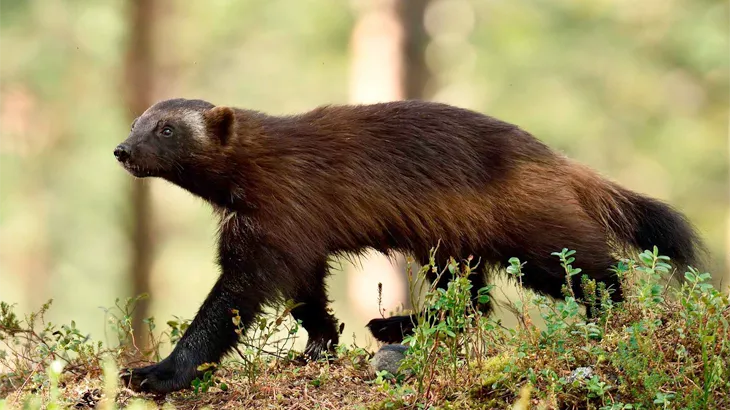
Wolverine in September
Introduction
September marks a transitional period for wolverines (Gulo gulo) across North America. As summer wanes and fall approaches, these elusive carnivores adjust their behaviors in preparation for the coming winter. For hunters, wildlife enthusiasts, and naturalists, understanding wolverine activity in September is crucial for safe observation and ethical hunting practices.
During this month, wolverines increase foraging activity to build fat reserves. Their movements may expand across territories as prey availability shifts. Observing wolverines in September provides insight into their ecology, feeding patterns, and early preparation for the winter months.
Behavior and Biology
Migration and Movement
Wolverines are largely sedentary but can cover extensive distances in search of food. In September, adults may roam more widely as young wolverines become independent. These movements are critical for locating carrion and small mammals before winter scarcity.
Feeding and Diet
September diets are opportunistic. Wolverines primarily consume carrion, supplemented by small mammals, birds, and berries. This month is essential for accumulating fat reserves necessary for survival during the harsher winter months.
Reproduction and Adaptation
While mating occurs in late summer, September sees delayed implantation of embryos, which ensures kits are born during spring. Wolverines adapt to September’s cooler temperatures and fluctuating prey populations by increasing territorial patrols and caching food.
Hunting Activity
Hunting Practices
Wolverines are a protected species in many U.S. regions, and hunting is strictly regulated. Ethical observation is encouraged, while trapping and hunting may require special permits. Hunters focusing on fur-bearing species should familiarize themselves with local laws and avoid disrupting breeding territories.
Seasonal Considerations
In September, hunting activity is minimal as wolverines are preparing for winter. Monitoring trails and signs is common among wildlife enthusiasts, but active hunting is usually reserved for designated season windows later in the fall and winter.
Ecological Role
Wolverines play a crucial role as scavengers and apex predators in boreal and alpine ecosystems. In September, they help control populations of small mammals, birds, and carrion availability, contributing to nutrient cycling. Their presence also influences the behavior and distribution of prey species.
Regional Variations
Activity and visibility vary across North America:
- Pacific Northwest & Alaska: Early snowfall begins in higher elevations, prompting increased caching behavior.
- Rocky Mountains: Wolverines roam wider territories as lower valleys dry out post-summer, seeking carrion.
- Northern Canada: Cooler temperatures maintain stable prey populations, leading to localized foraging patterns.
Practical Tips
- Use motion-sensor cameras to observe wolverines without disturbing their habitat.
- Wear camouflage and scent-masking gear if tracking legally during observation or regulated hunting periods.
- Respect territorial ranges and avoid disrupting potential food caches.
- Record sightings for citizen science projects to help monitor populations.
Quick Reference Table
| Aspect | Details |
|---|---|
| Species | Wolverine |
| Month | September |
| Behavior | Foraging, territorial patrols, caching food, independent juvenile movement |
| Hunting Activity | Minimal; primarily observation, legal hunting requires permits |
| Hunting Season | Regulated; varies by state and province |
| Regions | Alaska, Pacific Northwest, Rocky Mountains, Northern Canada |