
Wolverine in October
Introduction
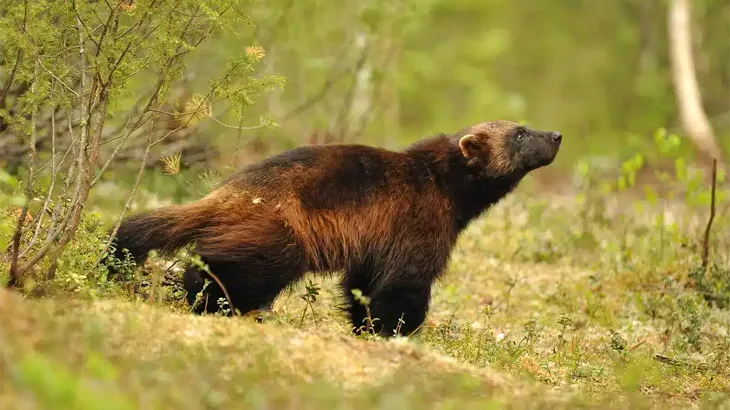
October marks a pivotal month for the Wolverine (Gulo gulo) across North America. As the days shorten and temperatures drop, these elusive carnivores intensify their foraging efforts to prepare for the coming winter. This month is particularly important for researchers, hunters, and wildlife enthusiasts to understand their behavior and seasonal patterns.
Wolverines are known for their incredible strength, endurance, and wide-ranging movements. Observing them in October offers insights into their ecological role and survival strategies as they respond to seasonal changes in food availability and habitat conditions.
Behavior and Biology
Migrations and Movement
During October, Wolverines do not engage in long migrations but expand their foraging territories to accumulate fat reserves. They are highly mobile, covering tens of kilometers in search of prey, carrion, and seasonal food sources like berries.
Feeding and Diet
Wolverines are opportunistic feeders. In October, their diet shifts toward scavenging on deer, elk, and small mammals, as well as consuming nuts, berries, and roots to supplement their protein intake. This mixed diet helps them sustain energy through increasingly harsh winter conditions.
Reproduction and Adaptation
Although Wolverines breed earlier in the year, October is a period of hyperphagia, where they increase caloric intake for winter survival. Their dense fur and fat layers become more pronounced, providing insulation and protection against cold temperatures.
Hunting Activity
Hunting Practices
Legal hunting and trapping of Wolverines are strictly regulated due to their low population densities and conservation status. Ethical practices emphasize minimal impact and adherence to state and federal guidelines. Observational hunting and wildlife photography are encouraged over lethal methods.
Seasonal Activity
October sees an uptick in Wolverine activity during twilight hours. Their foraging is influenced by snow onset, prey availability, and interspecies competition. Hunters and trackers often monitor movement patterns, using GPS collars or trail cameras for non-invasive study.
Ecological Role
Wolverines play a critical role in North American ecosystems as apex scavengers. By consuming carrion, they help prevent the spread of disease, recycle nutrients, and maintain ecological balance. Their predation on small mammals also regulates populations and supports healthy forest dynamics.
Regional Differences
Wolverine activity varies by region. In the northern Rockies, they traverse mountainous terrain, while in the Pacific Northwest, they utilize dense forests. Seasonal food availability and snow cover influence movement, with southern populations exhibiting more restricted ranges during October.
Practical Tips
- Use trail cameras or wildlife observation blinds to monitor Wolverines without disturbance.
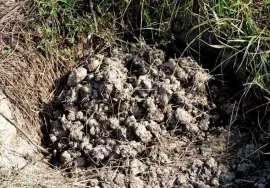
- Study scat and tracks to understand feeding patterns and territory use.
- Check local regulations before any trapping or hunting activity, as laws differ by state.
- Wear appropriate clothing and gear for mountainous or forested terrain in cold October weather.
Quick Reference Table
| Aspect | Details |
|---|---|
| Scientific Name | Gulo gulo |
| Month | October |
| Behavior | Foraging, territorial expansion, fat accumulation |
| Hunting Activity | Strictly regulated; focus on observation |
| Hunting Season | State and federal regulations apply |
| Regions | Rocky Mountains, Pacific Northwest, Alaska, Northern Canada |
| Conservation Status | Stable in some areas, threatened in southern range |