
Muskrat in December: Seasonal Behavior, Habitat Use, and Hunting Insights
Introduction
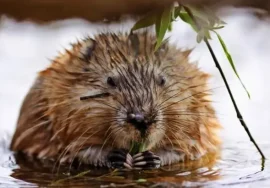
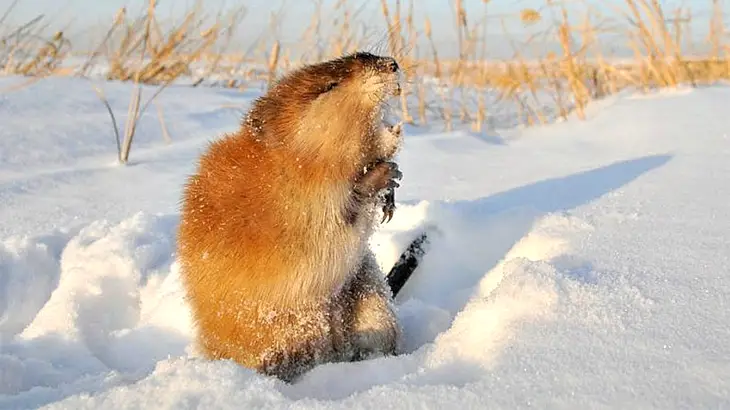
December marks one of the most transformative periods in the muskrat’s annual cycle. As winter tightens its grip across North America, muskrats shift into full cold-weather survival mode: reinforcing their lodges, reducing movement, and relying heavily on stored vegetation. For trappers, naturalists, and wildlife observers, this month reveals the species’ most resourceful and engineering-driven behavior.
Because muskrats remain active beneath ice-covered wetlands, December offers unique opportunities to understand how this semi-aquatic furbearer adapts to harsh conditions. For regulated fur harvesters, many northern states consider December a prime window for muskrat trapping due to the species’ predictable routines and high-quality winter pelts.
Behavior and Biology in December
Winter Adaptations and Movement
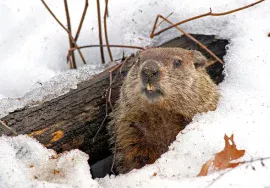
In December, muskrats remain active but dramatically reduce above-ice movement. They rely on underwater channels and feeding push-ups (small ice domes created during early freeze-up) to move safely between food sources. Most feeding occurs within a short distance of the lodge or bank den.
Their swimming remains efficient even in cold temperatures, thanks to dense waterproof fur and a high metabolic rate. However, activity windows shorten significantly during extreme cold snaps.
Feeding Behavior
Food choices this month become highly specific. Muskrats feed primarily on cattails, bulrush, pondweed rhizomes and frozen aquatic vegetation stored earlier in fall. If food is scarce, they may make rare above-ice excursions, though this increases vulnerability to predators such as foxes, coyotes, mink, and otters.
Reproduction
Breeding does not occur in December. Social groups remain small, typically limited to family units sharing a lodge. Aggressive behavior declines compared to fall, as muskrats prioritize energy conservation.
Hunting and Trapping Activity
Regulated Trapping Practices
December is a major month for muskrat trapping in many regions, particularly the northern Midwest, Great Lakes, and Northeast. Frozen conditions make sets more stable, while consistent muskrat movement beneath the ice increases effectiveness.
Common and legal trapping methods in winter include colony traps placed in underwater runs, body-grip traps at active hut entrances (where legally permitted), and under-ice sets designed along trails or feeding push-ups. Ethical considerations remain essential: only trap in jurisdictions with open furbearer seasons, avoid damaging lodges or dens, and check all under-ice sets within the legally required time window.
Seasonal Hunting Considerations
Muskrat hunting with firearms is less common in December due to ice cover, limited visibility, and reduced above-surface activity. Most harvest occurs through regulated trapping. In states with late-season open water or partial ice cover (as coastal regions) shooting may still be possible but is generally less efficient.
Ecological Role in December
Even in winter, muskrats remain ecologically influential. Their feeding maintains openings in wetland vegetation, preventing full marsh succession. This helps sustain habitat diversity that benefits migratory waterfowl, amphibians, and other wetland species. Muskrat lodges also provide temporary shelter for mink, raccoons, and occasionally waterfowl. Beneath the ice, they help recycle nutrients by consuming and redistributing decaying plant matter.
Predator-prey interactions become more concentrated this month. Mink and otters actively patrol muskrat runs, making muskrats an important winter food source for these carnivores.
Regional Differences
Northern States (Dakotas, Minnesota, Wisconsin, Michigan, New England)
Thick ice and stable freeze-up allow consistent under-ice trapping. Muskrats remain close to lodges with minimal long-distance movement. Winter pelts reach peak quality.
Mid-Atlantic and Midwest (Ohio, Pennsylvania, Iowa, Illinois)
Ice conditions vary; mixed open water and early freeze-up create diverse trapping opportunities. Muskrats remain moderately active around food sources.
Southern Regions (South Atlantic, Gulf Coast)
Ice rarely forms; muskrats continue above-water movement. Feeding patterns remain more flexible and winter hunting (where allowed) is easier due to more open marshland.
Practical Tips for Hunters and Wildlife Observers
- Locate active lodges by identifying fresh vegetation, smooth ice channels, and breathing holes.
- Watch for push-ups: they indicate regular feeding areas and underwater travel routes.
- Use caution on early winter ice, especially during first freeze-up and mid-winter thaws.
- For observers: focus on dawn and dusk, when muskrat movement is at its peak.
- For trappers: always follow state regulations regarding trap types, placement, and lodge interference.
- Monitor weather patterns: sudden temperature drops can shift muskrat activity and change underwater movement routes.
Quick Reference Table
| Aspect | Details |
|---|---|
| Species | Muskrat (Ondatra zibethicus) |
| Month | December |
| Behavior | Under-ice movement, lodge maintenance, feeding on stored vegetation |
| Hunting Activity | Primarily under-ice trapping; minimal firearm hunting |
| Hunting Season | Varies by state, typically open for furbearer trapping |
| Regions | Nationwide, with significant winter trapping in northern states |