
Groundhog in December
Introduction
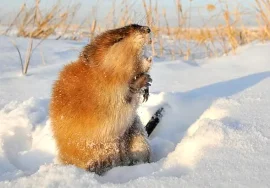
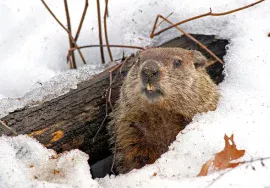
December is the coldest and quietest month in the life of the groundhog, or woodchuck (Marmota monax). Across most of North America, the landscape lies frozen under snow while this well-known burrow dweller remains deep in hibernation. To the casual observer, it might seem as if groundhogs disappear entirely during this time, but beneath the surface, they are engaged in one of nature’s most efficient survival strategies.
For wildlife enthusiasts and hunters, December represents a pause — a time to reflect on how this small mammal has adapted perfectly to the rhythms of the continent’s harsh winters. Understanding its December behavior provides insight into the resilience of North America’s ecosystems and helps hunters plan for future seasons with greater ecological awareness.
Behavior and Biology
Deep Hibernation Phase
By December, groundhogs have reached the deepest phase of hibernation. Their metabolic rate drops to less than 5% of normal levels, and they rely entirely on fat reserves accumulated during late summer and fall. Their body temperature stabilizes around 35–40°F (1–4°C), just above freezing, and their heart rate slows to as few as 4–5 beats per minute. Breathing becomes so shallow that they may only take a few breaths each minute.
This physiological state allows them to conserve energy through the longest and coldest months of the year. They remain completely inactive: no feeding, movement, or reproduction occurs during December. Even minor disturbances to their dens can be life-threatening, as waking prematurely depletes vital energy reserves needed to survive until spring.
Burrow Structure and Thermoregulation
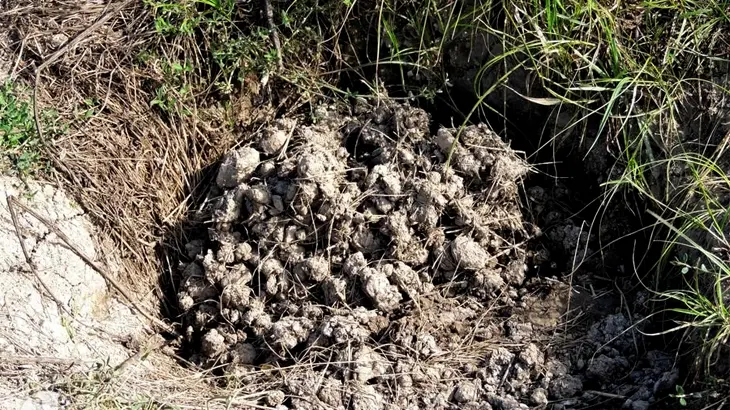
Groundhog burrows in winter are marvels of natural engineering. These underground chambers are often dug 5–8 feet below ground, beyond the frost line, and are sealed from within to prevent drafts. A thick bedding of dry grasses and leaves provides insulation. The depth of the burrow ensures a stable internal temperature, usually between 40–50°F (4–10°C), even when surface temperatures plunge far below freezing.
In some regions, groundhogs may share parts of their burrows with smaller mammals, reptiles, or amphibians seeking refuge from the cold. This symbiotic sheltering helps sustain micro-ecosystems beneath the frozen soil.
Hunting Activity
Closed Season and Ethical Hunting
December marks a fully closed season for groundhog hunting throughout North America. Because the animals are hibernating, no hunting activity is biologically or ethically appropriate during this period. Wildlife management laws reflect this natural cycle by closing seasons during months of inactivity to preserve populations and maintain ecological balance.
Off-Season Preparation for Hunters
For hunters, December is a planning month. It’s an ideal time to inspect and maintain hunting equipment, clean rifles, and review state regulations for the next open season. Studying maps and noting groundhog habitat from earlier months helps identify productive hunting areas for spring and summer.
Landowners can also use this downtime to address ground management: repairing burrow damage, reinforcing fences, or improving drainage around agricultural zones prone to groundhog activity once the thaw returns. This proactive approach balances wildlife presence with responsible land stewardship.
Ecological Role
Even while hibernating, groundhogs contribute indirectly to the ecosystem. Their extensive burrow systems remain vital for many species seeking shelter in winter, such as skunks, rabbits, foxes, and snakes. These burrows help moderate soil temperature and moisture, improving conditions for spring vegetation growth once the frost lifts.
From an ecological standpoint, groundhogs act as “ecosystem engineers.” Their digging redistributes soil nutrients and enhances aeration, creating ideal conditions for native plants. Even during dormancy, their physical presence below ground stabilizes soil structures and supports biodiversity in cold-season habitats.
Regional Differences
In December, groundhog behavior is largely uniform across North America. However, regional climate variations influence the depth and duration of hibernation:
- Northern U.S. and Canada: Groundhogs entered hibernation as early as October and will remain underground until March or April. Subzero temperatures ensure complete inactivity.
- Mid-Atlantic and Appalachian Regions: Although soil conditions may be milder, groundhogs still remain in full hibernation through December. Occasional temperature spikes do not wake them.
- Southern States: In the southernmost parts of their range (such as northern Georgia or Tennessee) burrows may be shallower, but activity remains minimal. Only extreme weather fluctuations could trigger brief, rare awakenings.
Practical Tips for Hunters and Naturalists
- Respect Hibernation: Avoid disturbing known burrows during winter. Disturbance can cause fatal energy loss for hibernating groundhogs.
- Scout Ahead: Mark active burrow sites from earlier in the year for future observation and responsible hunting during open season.
- Maintain Equipment: Clean and calibrate optics, firearms, and gear in preparation for spring hunting.
- Wildlife Observation: Use trail cameras to monitor predator activity — many foxes, coyotes, and weasels explore abandoned or sealed burrows in search of shelter or prey.
- Land Management: Winter is the best time to make structural improvements to fields and fencelines without disrupting active wildlife.
Quick Reference Table
| Aspect | Details |
|---|---|
| Species | Groundhog (Woodchuck) |
| Scientific Name | Marmota monax |
| Month | December |
| Behavior | Deep hibernation; no above-ground activity |
| Hunting Activity | Closed season; preparation and scouting only |
| Hunting Season | Inactive until spring or summer |
| Regions | Throughout North America; all populations hibernating |