
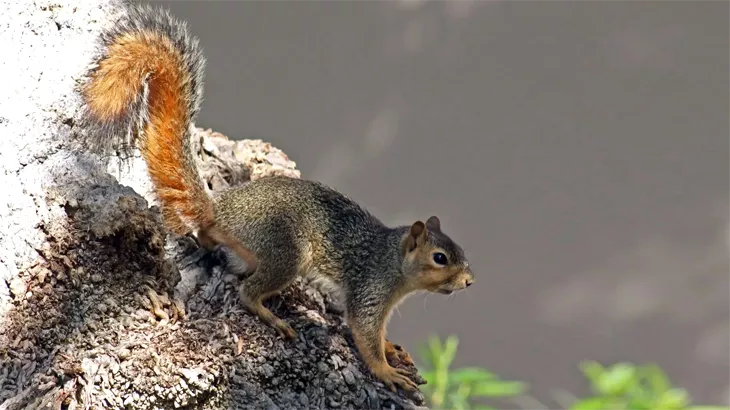
Fox Squirrel in September
Introduction
September marks a pivotal month for the fox squirrel (Sciurus niger) across much of the United States. As summer transitions to fall, these large, colorful tree squirrels become more visible and active, making this period especially important for wildlife observers, photographers, and hunters alike.
During September, fox squirrels are focused on building fat reserves, caching food, and preparing their dens for colder months. For sportsmen, early fall also coincides with the start of small game seasons in many states, making it an ideal time to understand their habits and refine hunting strategies.
Behavior and Biology
Feeding and Foraging
In September, fox squirrels spend long hours gathering and storing acorns, hickory nuts, walnuts, and other mast crops. Their caching behavior intensifies, ensuring survival during the lean winter months. They also supplement their diet with buds, insects, and occasional fruits.
Movement and Activity
Unlike some smaller squirrels, fox squirrels are mostly solitary and maintain large home ranges. They become more diurnal in early fall, moving between feeding sites and nesting areas, and are often seen on the ground foraging under mast-producing trees.
Reproduction and Adaptation
Most fox squirrels have completed summer breeding by September. Juveniles born earlier in the year are now independent, expanding into new territories. Their thickening fur provides improved insulation as nighttime temperatures begin to drop.
Hunting Activity
Season Timing
September is prime time for small game hunters. In many states, squirrel season opens in late summer or early fall, with liberal bag limits. Always verify dates and regulations with your state’s wildlife agency before heading out.
Methods and Equipment
Common hunting methods include still-hunting (moving slowly and quietly through hardwood stands), sitting near mast trees, and using shotguns or small-caliber rimfire rifles. Hunters often target early morning and late afternoon when squirrels are most active. Lightweight camouflage and soft-soled boots help minimize noise.
Regulations and Ethics
Ethical hunting involves identifying targets clearly, taking safe and effective shots, and respecting bag limits. Many states encourage the use of non-lead ammunition to reduce environmental contamination.
Ecological Role
Fox squirrels play a critical role in seed dispersal. Their habit of burying nuts that may not be retrieved helps regenerate hardwood forests. In September, as they cache more food than ever, their influence on forest composition peaks. They also serve as prey for raptors, foxes, and coyotes, maintaining balance within local ecosystems.
Regional Differences
Activity patterns can vary across the species’ range. In the Midwest and Southeast, where hardwood forests are abundant, fox squirrels may be more numerous and less wary. In western or northern states, they occupy mixed woodlands and riparian corridors, sometimes overlapping with gray squirrels and facing more variable climates that influence foraging behavior.
Practical Tips
- For Hunters: Focus on oak ridges or hickory stands shortly after dawn for the best action. Look for freshly chewed nutshells as a sign of feeding squirrels.
- For Observers: Bring binoculars and watch for their large bushy tails flicking among treetops. Early morning offers the best viewing opportunities.
- For Photographers: Use long lenses and natural cover to capture their foraging or nut-burying behaviors.
Quick Reference Table
| Aspect | Details |
|---|---|
| Species | Fox Squirrel (Sciurus niger) |
| Month | September |
| Behavior | Intensive foraging, caching nuts, increased diurnal activity |
| Hunting Activity | Early fall small game season begins; prime morning and evening hunts |
| Hunting Season | Varies by state; typically August–January |
| Regions | Eastern, Midwestern, and some Western states of the U.S. |