
Groundhog in October
Introduction
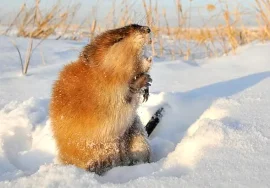
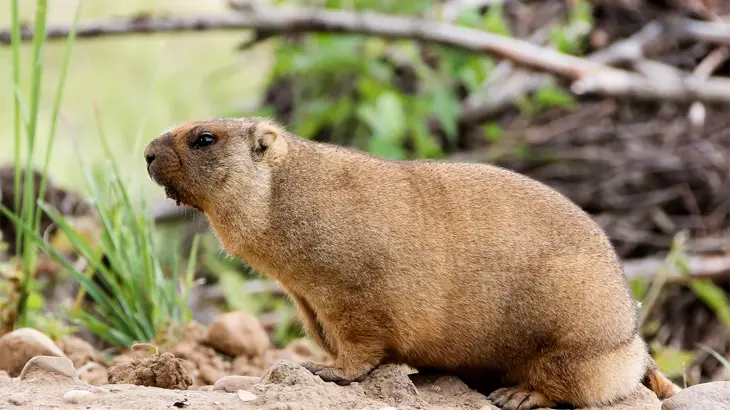
October marks the final chapter of above-ground activity for the groundhog, or woodchuck (Marmota monax), across much of North America. As temperatures drop and daylight shortens, these hardy rodents prepare for the long months of hibernation that define their winter survival strategy. For wildlife observers and hunters alike, October represents both a time of transition and a narrowing window of opportunity.
By this time of year, groundhogs are feeding heavily, storing vital fat reserves that will sustain them through hibernation. Their movements become more restricted as they spend more time near their burrow entrances. For hunters, this month offers limited yet rewarding opportunities to observe or pursue one of North America’s most adaptable small-game species before they retreat underground until spring.
Behavior and Biology
Feeding and Preparation for Hibernation
In October, the groundhog’s primary focus is energy accumulation. They spend much of their remaining active time feeding on the last available green vegetation—clover, grasses, dandelions, and agricultural crops such as soybeans and alfalfa. As frost begins to reduce plant growth, groundhogs switch to consuming more calorie-dense foods like seeds and fruits when available.
Their feeding sessions are shorter but more frequent, and movement patterns tighten around their burrows. Each groundhog has a defined home range, typically within 150 feet (45 meters) of its main entrance. They may plug unused burrow openings with soil to insulate chambers for the cold months ahead.
Behavioral Adaptations
Groundhogs in October exhibit reduced social interaction and increased rest periods. Their body clock begins to adjust toward hibernation: metabolic rates decrease slightly, and they spend more time underground, especially during cold mornings and windy conditions. By mid to late October, most individuals in northern regions will have entered full hibernation, while those in southern states remain active slightly longer.
Hunting Activity
Seasonal Hunting Opportunities
For hunters, October is generally considered the tail end of groundhog season. In many states, legal seasons close as temperatures fall, or hunting becomes impractical due to reduced animal activity. Those still afield often find fewer targets, as most groundhogs have gone underground permanently by mid-month. However, warm early-October afternoons can still provide a few opportunities, particularly in open southern or mid-Atlantic farmlands.
Hunting Methods and Equipment
When conditions allow, long-range rifle hunting remains the most efficient method. Flat-shooting calibers such as .223 Remington, .22-250, or even rimfire .17 HMR perform well in open terrain. Since October air is cool and dense, ballistic accuracy can actually improve, though wind remains a challenge. Hunters should focus on sunny slopes and south-facing fields where groundhogs may briefly emerge to bask during midday warmth.
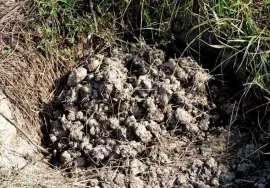
Scouting plays a key role. Look for fresh soil around burrow entrances, cropped vegetation, or scat near den sites. Setting up a concealed shooting position 100–200 yards away maximizes chances without alerting the animals. Ethical hunters prioritize clean, humane shots and minimize unnecessary disturbance as the animals enter their vulnerable pre-hibernation phase.
Regulations and Seasonal Restrictions
Hunting regulations vary widely across the U.S. In northern states such as Michigan, Wisconsin, and New York, groundhog hunting typically concludes by early fall due to decreasing activity. In contrast, some southern states like Kentucky or Tennessee may allow open seasons throughout the year. Always check local wildlife agency guidelines before heading out in October, as land access and firearm restrictions can differ by county or region.
Ecological Role in October
Even as groundhogs prepare for dormancy, they continue to influence their ecosystems. Their burrowing activity in early October aerates the soil and redistributes organic matter, benefiting plant growth and soil moisture retention. Abandoned burrows from the summer become vital winter shelters for other wildlife species, including foxes, rabbits, and reptiles seeking refuge from the cold.
Predators like hawks, coyotes, and foxes may exploit the groundhog’s reduced alertness during this month, but as the population retreats underground, these predator-prey dynamics shift. The landscape begins to quiet, signaling the seasonal handover from active summer ecosystems to winter dormancy.
Regional Differences
Groundhog behavior in October varies significantly across North America. In the northern United States and southern Canada, groundhogs are typically in hibernation by mid-October. In the central regions (such as Ohio, Pennsylvania, and the Midwest) they may still be seen foraging in the first half of the month. In southern areas like the Carolinas and Georgia, individuals may remain active into early November, especially during warm spells.
Elevation also affects timing: mountain populations enter hibernation earlier than those at lower altitudes due to earlier frost and shorter daylight. Observers in the Appalachian foothills, for example, may notice burrow entrances sealed by the first week of October, while lowland areas remain active for another two to three weeks.
Practical Tips for Hunters and Observers
- Timing: Focus hunts on warm, sunny days between 10 a.m. and 3 p.m., when remaining groundhogs may emerge to sun themselves.
- Location: South-facing slopes, hayfields, and edge habitats are the most promising spots in October.
- Equipment: Lightweight rifles with variable scopes (3–9x) and stable rests help achieve precision shots at medium range.
- Observation: Naturalists can look for signs of plugged burrows or piles of fresh dirt to identify active dens before hibernation.
- Ethics: Avoid unnecessary pursuit of individuals already preparing for winter; consider October an observation month rather than an active hunting period in colder regions.
Quick Reference Table
| Aspect | Details |
|---|---|
| Species | Groundhog (Woodchuck) |
| Scientific Name | Marmota monax |
| Month | October |
| Behavior | Feeding heavily; preparing for hibernation; reduced movement |
| Hunting Activity | Declining; limited to early October in most regions |
| Hunting Season | Open in select southern and mid-Atlantic states |
| Regions | Northeast, Midwest, Appalachians, Great Lakes, Southeast |