
Fox Squirrel in October
Introduction
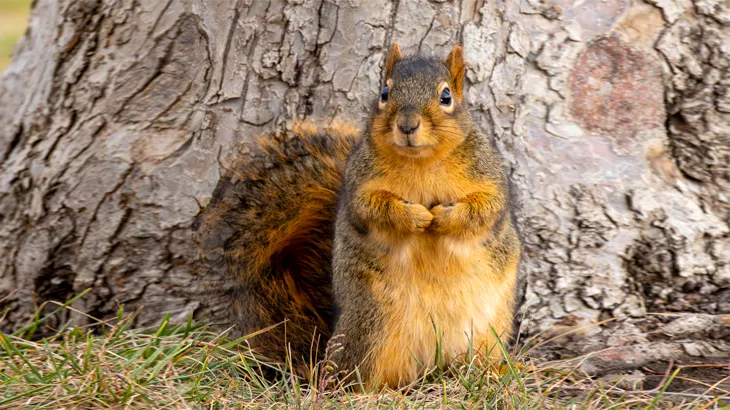
October marks a dynamic period for the Fox Squirrel (Sciurus niger) across North America. As autumn deepens, these large tree squirrels prepare for the coming winter by increasing food storage and altering their activity patterns. For hunters and wildlife enthusiasts, this month offers prime opportunities to observe or legally harvest Fox Squirrels while they are highly active during daylight hours.
The crisp fall weather also means fewer leaves on trees, making squirrels easier to spot. Understanding how Fox Squirrels behave in October gives hunters a practical edge and allows naturalists to appreciate their role in forest ecosystems at a crucial time of year.
Behavior and Biology
Feeding and Caching
In October, Fox Squirrels are at peak foraging activity. They gather and bury acorns, hickory nuts, walnuts, and other hard mast, creating hundreds of small caches to sustain them through winter. This month also sees them consuming more high-fat seeds and fungi to build body reserves.
Movement and Adaptation
Daily activity peaks in the early morning and late afternoon. With cooling temperatures, Fox Squirrels spend longer periods outside their nests, traveling between feeding areas and storage sites. Their thickening fur signals preparation for winter, and their territories may expand as food availability changes.
Breeding
October typically falls between breeding peaks for Fox Squirrels, but some late-season breeding can occur in southern regions. Juveniles born earlier in the year are now dispersing, creating more visible movement in forests and field edges.
Hunting Activity
Season Timing
Many U.S. states have open squirrel seasons in October, making it one of the most popular months for small-game hunting. Check local regulations for specific dates, bag limits, and weapon restrictions. Some states may have special youth or early-season hunts.
Methods and Gear
Still-hunting and slow stalking along hardwood ridges or field edges are effective in October. Hunters often use small-caliber rifles or shotguns with light loads to minimize meat damage. Camouflage and quiet movement are critical, as Fox Squirrels rely on keen eyesight and hearing to detect predators.
Ethical Considerations
Responsible hunters avoid taking excess animals and respect private property boundaries. Harvesting squirrels during midday, when activity lulls, reduces pressure on the population and improves hunter success at dawn and dusk.
Ecological Role
Fox Squirrels are vital seed dispersers. Their caching behavior in October directly supports forest regeneration, as many forgotten nuts germinate into new trees. They also serve as prey for hawks, owls, foxes, and bobcats, contributing to a balanced predator-prey dynamic. Observing their activity helps gauge the health of mast-producing trees in a given area.
Regional Differences
In the Midwest and Southeast, October mast crops like acorns and hickory nuts dominate Fox Squirrel diets. In the Great Plains and Texas, they rely more on pecans and agricultural grains. Northern populations may become less visible as colder weather sets in earlier, while southern populations remain highly active well into late fall.
Practical Tips
- For Hunters: Focus on hardwood stands with visible nut production. Early morning hunts are most productive.
- For Observers: Bring binoculars and look for squirrels on sunny slopes where nuts are abundant.
- For Photographers: October’s fall foliage offers colorful backdrops. Use quiet approaches to capture natural behaviors.
Quick Reference Table
| Aspect | Details |
|---|---|
| Species Name | Fox Squirrel (Sciurus niger) |
| Month | October |
| Behavior | Peak foraging and caching of nuts; increased daylight activity; dispersing juveniles |
| Hunting Activity | Open small-game seasons in most states; best at dawn and dusk |
| Hunting Season | Varies by state — commonly open through fall |
| Regions | Eastern, Midwestern, and parts of Southern and Plains states |