
Fox Squirrel in December
Introduction
December marks a pivotal time for the fox squirrel across much of its North American range. As winter sets in, these adaptable rodents adjust their feeding and movement patterns to cope with colder temperatures and scarcer food resources. For hunters, naturalists, and wildlife enthusiasts, December offers unique opportunities to observe and ethically pursue this small game species in a more open, leafless landscape.
Because fox squirrels are one of the most widespread and easily recognized tree squirrels, their winter behavior is of particular interest. Understanding how they respond to seasonal changes in December provides valuable insights into their survival strategies, habitat use, and availability to hunters.
Behavior and Biology in December
Feeding and Foraging
By December, fox squirrels rely heavily on cached nuts, seeds, and other mast collected during autumn. They are frequently seen digging in leaf litter or snow to retrieve hidden food stores. This month their diet also expands to include tree buds, fungi, and occasionally insects or bird eggs when nuts are scarce.
Movement and Shelter
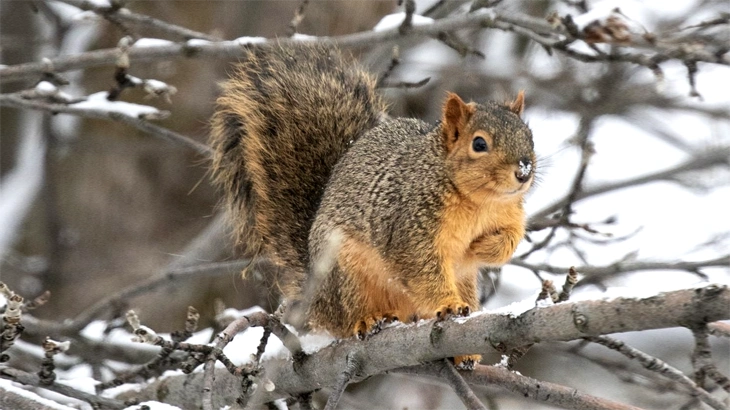
Fox squirrels reduce their activity during extreme cold but remain non-hibernating. They spend more time in leaf nests or tree cavities to conserve energy, venturing out during warmer parts of the day. Social interactions may decrease as each squirrel focuses on defending and accessing its own caches.
Adaptation
Their thick winter coat provides insulation, and their behavioral shift toward conserving energy is an adaptation to harsh winter conditions. December marks the period before the breeding season begins in late winter.
Hunting Activity in December
Seasonal Opportunities
In many U.S. states, small-game seasons for fox squirrels extend through December, making it a prime month for hunters. With leaves off the trees, squirrels are more visible, but their reduced activity requires patience and timing hunts for mid-morning or early afternoon when they emerge to feed.
Methods and Gear
Common methods include still-hunting and sitting quietly near known food sources such as oak groves or pecan stands. Small-gauge shotguns or .22-caliber rifles remain standard, and hunters should dress warmly and in muted colors to blend into the winter woods. Always consult local regulations for bag limits and season dates.
Ethical Considerations
Maintaining sustainable harvests is essential. Avoid overharvesting near key winter food sources and be mindful of other wildlife using the same areas.
Ecological Role in December
Even in winter, fox squirrels continue to shape their ecosystems. By digging up caches and dispersing uneaten seeds, they contribute to forest regeneration. They also provide prey for hawks, owls, and terrestrial predators at a time when many food sources are scarce, maintaining predator-prey dynamics during the coldest months.
Regional Differences
Fox squirrel activity in December varies with latitude and habitat. In the southern states such as Texas and Louisiana, squirrels remain more active throughout the day thanks to milder temperatures. In northern regions like Minnesota or Michigan, activity windows are shorter, and squirrels concentrate near dense conifer stands and mast-rich hardwoods for better shelter and food.
Practical Tips for Observers and Hunters
- Focus on mid-morning and early afternoon hunts when squirrels emerge to feed.
- Locate mast-rich areas or old hardwood trees where caches are buried.
- Use binoculars to spot squirrels against bare branches at a distance.
- Dress in layers and muted colors to stay warm and inconspicuous.
- For photographers and naturalists, December’s open canopy provides clear sightlines for observation.
Quick Reference Table
| Aspect | Details |
|---|---|
| Species | Fox Squirrel |
| Month | December |
| Behavior | Relies on cached food, reduced activity, thicker winter coat |
| Hunting Activity | Active small-game seasons; best mid-morning or early afternoon |
| Hunting Season | Typically open in many states through December |
| Regions | Eastern and central U.S., parts of the South and Midwest |