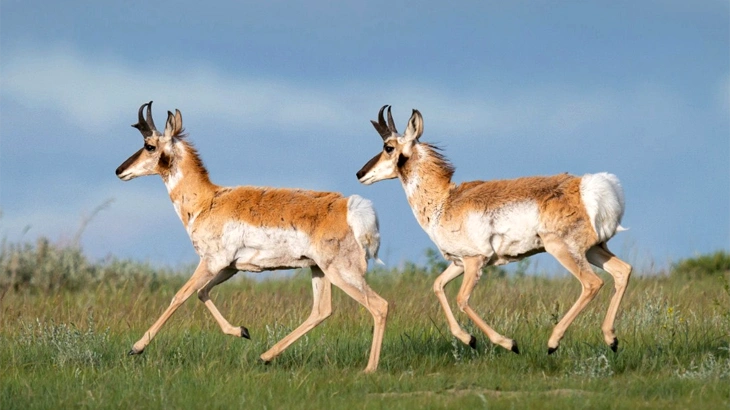
Pronghorn Antelope in September
Introduction
September marks a pivotal time for the Pronghorn Antelope across North America. As summer fades into fall, these swift ungulates begin shifting their behaviors, making them more visible and predictable for both wildlife enthusiasts and hunters. Cooler temperatures and changing vegetation influence feeding patterns, while the early stages of the rut season make this month especially interesting to observe.
For hunters, September is often synonymous with archery seasons and early scouting. For naturalists, it’s a prime window to witness Pronghorn groups congregating in open habitats, preparing for harsher weather. Understanding these seasonal changes is essential for anyone hoping to ethically observe or hunt Pronghorn Antelope during this month.
Behavior and Biology
Feeding and Movement
In September, Pronghorn Antelope increase their grazing and browsing to build fat reserves for winter. They favor forbs, shrubs, and grasses that are still abundant after summer rains. Movement becomes more localized, with bucks establishing territories and does forming tighter groups. This creates predictable travel corridors between feeding and watering areas.
Reproduction and Adaptation
September often signals the beginning of the rut in many regions. Bucks compete for does through displays, sparring, and marking territory. This heightened activity can change daily movement patterns and make Pronghorn more visible. Adaptations such as keen eyesight and remarkable speed (up to 55 mph) remain their best defense against predators and human disturbance.
Hunting Activity
Seasons and Methods
Most states open archery seasons for Pronghorn in late August or early September, continuing through the month. Spot-and-stalk and ground blinds near waterholes are common strategies during this time. Hunters rely on optics and stealth to close the distance, as Pronghorn thrive in open terrain with minimal cover. Ethical considerations include avoiding pressure during peak rutting behavior and ensuring clear, humane shots.
Equipment and Regulations
Lightweight camouflage, quality binoculars, and rangefinders are essential. Broadhead-tipped arrows or lightweight rifles (where legal) are favored for their accuracy over open ground. Regulations vary by state, so hunters must confirm specific season dates, bag limits, and weapon restrictions before heading into the field.
Ecological Role
During September, Pronghorn Antelope continue to serve as key grazers in prairie and sagebrush ecosystems. Their foraging helps maintain plant diversity and prevent overgrowth of certain shrubs. They also provide a food source for predators such as coyotes, golden eagles (preying on fawns), and mountain lions. By influencing vegetation and predator-prey dynamics, Pronghorn play a crucial role in maintaining ecosystem balance.
Regional Differences
Behavioral patterns in September can vary across the U.S. In Wyoming and Montana, Pronghorn are often found in large herds across open sagebrush plains, while in Colorado and New Mexico they may occupy higher-elevation grasslands and mixed prairies. In Texas, smaller populations use more fragmented habitats. Rut timing can shift slightly depending on latitude and local climate conditions.
Practical Tips
- For Hunters: Scout watering holes and travel corridors in late August to plan early September hunts. Use decoys carefully during the rut to attract curious bucks.
- For Observers: Early morning and late afternoon offer the best viewing opportunities when Pronghorn are active and light conditions are optimal for photography.
- Ethics: Maintain distance to avoid disrupting rutting behaviors and stress on animals preparing for winter.
Quick Reference Table
| Aspect | Details |
|---|---|
| Species Name | Pronghorn Antelope |
| Month | September |
| Behavior | Feeding intensifies; early rut activity; localized movements |
| Hunting Activity | Archery seasons open; spot-and-stalk and waterhole setups |
| Hunting Season | Varies by state, commonly early September through mid-October |
| Regions | Wyoming, Montana, Colorado, New Mexico, Texas and other western states |