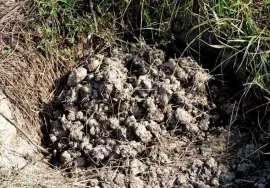


Fisher in August
Introduction
August is a significant month for the Fisher (Pekania pennanti) as it marks the transition from summer to early fall. During this time, Fishers are actively preparing for the upcoming colder months by increasing their foraging activity and maintaining territories. Hunters, trappers, and wildlife enthusiasts take a keen interest in observing Fishers during August because of their unique behaviors and elusive nature.
For naturalists, August provides a window into the Fisher’s life cycle, as young kits begin exploring independently and adults adjust their hunting and movement patterns. Understanding these seasonal behaviors is essential for responsible wildlife observation and effective planning for hunting or trapping seasons.
Behavior and Biology
Feeding and Foraging
In August, Fishers focus on maximizing caloric intake to build energy reserves for winter. Their diet is diverse, including small mammals like squirrels and rabbits, birds, insects, and fruits such as berries. Foraging is mostly nocturnal, but during late summer, activity may extend into dawn and dusk.
Reproduction and Social Structure
By August, kits born in spring are developing independence under the watchful eye of their mothers. Adults maintain solitary territories but may exhibit limited social interactions. Dominant individuals patrol large areas, marking territories with scent glands to avoid conflicts.
Movement and Adaptation
Fishers are agile climbers and efficient ground hunters. In August, they begin adjusting their home ranges in preparation for winter, often moving closer to denser forested areas that offer shelter and prey availability. Adaptation to seasonal changes is crucial for survival.
Hunting Activity
Legal Hunting and Trapping
Although August is generally outside the main trapping season for Fishers in most U.S. states, wildlife enthusiasts and trappers use this period for scouting and preparation. Legal hunting methods include live trapping in accordance with state regulations, and all activities should respect animal welfare and conservation laws.
Seasonal Hunting Notes
Scouting in August helps hunters understand Fisher movement patterns, preferred habitats, and feeding areas. Observations during this month can inform strategic placement of traps or cameras once the official season begins.
Ecological Role
Fishers are apex predators in their small mammal and bird prey spectrum, controlling populations of squirrels, rabbits, and other forest rodents. They also help disperse seeds from the fruits they consume, contributing to forest regeneration. In August, their role is particularly important as they maintain balanced ecosystems before winter scarcity affects prey dynamics.
Regional Differences
Activity patterns of Fishers can vary depending on the region. In northern U.S. forests, August is a period of intense foraging due to shorter days and earlier onset of cooler temperatures. In more southern ranges, activity may remain more evenly distributed throughout the month. Habitat type, prey availability, and human presence all influence regional behavior.
Practical Tips
- Observers should use binoculars and motion-sensing cameras to monitor Fishers without disturbance.
- Trappers can scout natural travel routes, feeding areas, and den sites in preparation for fall trapping season.
- Respect private property and follow all local hunting regulations.
- Note seasonal changes in prey abundance to better predict Fisher movement and activity.
Quick Reference Table
| Aspect | Details |
|---|---|
| Scientific Name | Pekania pennanti |
| Month | August |
| Behavior | Foraging intensively, kit exploration, territory maintenance |
| Hunting Activity | Scouting and preparation for trapping season |
| Hunting Season | Not active in most states; planning only |
| Regions | North America: Northeastern U.S., Great Lakes, Pacific Northwest |