
Beaver in September
Introduction
September marks a turning point for the North American beaver (Castor canadensis), as this industrious mammal begins its intensive preparations for the coming winter. As temperatures drop and daylight hours shorten, beavers become more active in fortifying their lodges, repairing dams, and storing food underwater. This period of heightened activity makes September a fascinating time for both wildlife observers and trappers to study or ethically harvest one of North America’s most iconic furbearers.
For hunters and naturalists, September offers valuable insight into the beaver’s adaptive behavior – a blend of survival instincts, ecological engineering, and social organization. Although hunting seasons for beaver typically open later in fall, understanding their September routines is key to successful scouting and conservation-aware wildlife management.
Behavior and Biology in September
Seasonal Preparations
As autumn approaches, beavers intensify their work. They collect branches, bark, and saplings to store in submerged caches near their lodges, ensuring a steady winter food supply. Families work cooperatively, with adults and yearlings contributing to dam maintenance and reinforcing lodge walls against freezing temperatures. Their activity peaks at dusk and dawn, often visible near water edges and along streams.
Feeding and Metabolism
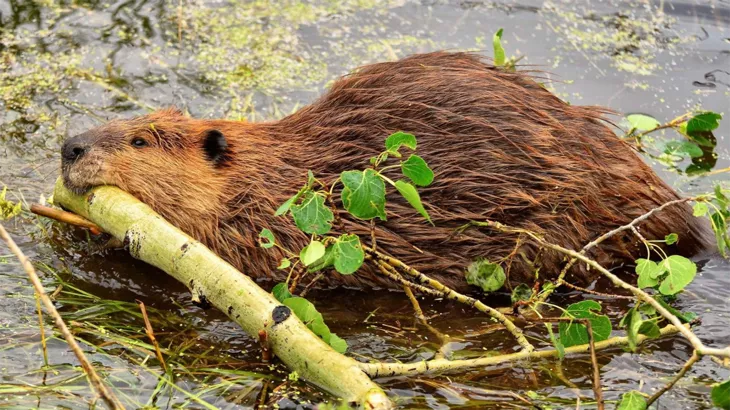
In September, beavers primarily feed on the inner bark (cambium) of trees such as aspen, willow, and birch. They also consume aquatic plants and roots. This period of feeding not only builds up fat reserves for colder months but also supports the construction of food caches vital for winter survival when surface water freezes.
Reproduction and Social Dynamics
By September, young kits born earlier in the year are weaned and learning crucial skills from adults: dam repair, tree cutting, and swimming routes. Family groups, or colonies, remain tightly knit, usually consisting of a mated pair, yearlings, and this year’s kits. Social stability is high, as breeding will not occur again until winter.
Hunting Activity in September
Scouting and Preparation
While September is not typically the active trapping or hunting season for beaver in most U.S. states, it’s an essential month for scouting. Hunters and trappers can locate fresh sign (gnawed trees, active slides, and newly repaired dams) to identify high-traffic zones for future trapping opportunities. Early fall scouting allows a deep understanding of colony locations and habits before the official season opens.
Equipment and Techniques
Ethical hunters and trappers use this pre-season period to inspect and prepare their equipment, such as body-grip traps, snares, and lures. Many also review state-specific trapping regulations and furbearer management guidelines. Photography enthusiasts and naturalists may use trail cameras to observe nocturnal activity while minimizing human disturbance.
Regulations and Conservation Ethics
Most states restrict beaver trapping until late fall or winter to protect populations during their vital preparation phase. Always check state wildlife agency websites for current regulations. Ethical practice involves minimal disruption to colonies and avoidance of any actions that could impact their overwinter survival.
Ecological Role in September
Beavers serve as ecosystem engineers, and their September activity profoundly shapes aquatic habitats. By maintaining and expanding dams, they create wetlands that support fish, amphibians, waterfowl, and countless invertebrates. Their lodges also provide thermal refuges for other species as temperatures begin to drop. At this time of year, their feeding and construction efforts enhance water retention and prevent erosion, a key ecological benefit during seasonal transitions.
Regional Differences Across the U.S.
In northern regions such as Minnesota, Maine, and Montana, September beavers are already in full preparation mode, storing significant food caches ahead of early freezes. In southern areas, such as Arkansas and Alabama, beavers remain active but less pressured by cold, with more time for dam expansion and foraging. In the mountainous West, activity varies with elevation: higher-altitude populations begin their preparations earlier than lowland colonies.
Practical Tips for Observers and Hunters
- Scout early mornings or evenings: Beavers are crepuscular; use binoculars or trail cameras for best results.
- Look for fresh sign: Clean-cut saplings, active mud-slick slides, and newly patched dams signal active lodges.
- Respect habitat: Avoid trampling dam areas or disturbing lodges – they’re vital to wetland ecology.
- Check local seasons: Beaver hunting/trapping dates vary by state and region.
- Learn the landscape: Wetlands, slow-moving rivers, and forested streams are prime beaver habitats in September.
Quick Reference Table
| Aspect | Details |
|---|---|
| Species | Beaver |
| Scientific Name | Castor canadensis |
| Month | September |
| Behavior | Preparing for winter; collecting food; repairing dams and lodges |
| Hunting Activity | Scouting season; limited or no open trapping in most regions |
| Typical Habitat | Wetlands, forested streams, riverbanks, lakes, and marshes |
| Primary Regions | Nationwide across the U.S. and Canada; densest in northern wetlands |
| Seasonal Notes | Increased activity before freeze; young kits learning survival behavior |