
Beaver in October
Introduction
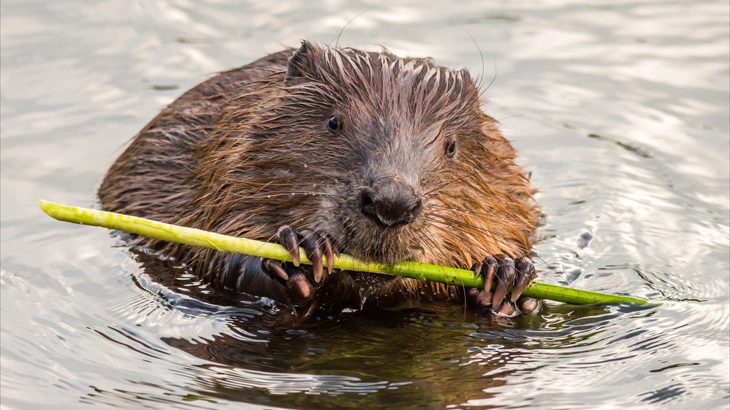
October is one of the most active and crucial months for the North American beaver (Castor canadensis). As autumn deepens, these skilled engineers are in overdrive: repairing dams, reinforcing lodges, and stockpiling woody food beneath the ice line in preparation for winter. Their tireless work not only ensures their survival but also shapes entire ecosystems. For hunters and trappers, October is a time of anticipation, as many states begin to open or approach the beaver trapping season, offering opportunities to scout, prepare, or ethically harvest one of North America’s most iconic furbearers.
Understanding the beaver’s October behavior gives both wildlife enthusiasts and hunters valuable insights into the rhythms of wetland life. The crisp fall air and changing foliage mark a season of transformation, both for the landscape and for the beaver colonies that thrive within it.
Behavior and Biology in October
Seasonal Preparations and Activity
By October, beavers are in full winter-preparation mode. The focus shifts from general maintenance to completing food caches, underwater piles of fresh-cut branches and saplings placed near their lodge entrances. These caches are critical, allowing access to food throughout the frozen months. Activity levels peak during dusk and night, and it’s common to find freshly cut trees and muddy slides near active beaver sites.
Feeding and Energy Storage
During October, the beaver’s diet remains centered on the bark, twigs, and leaves of deciduous trees, especially aspen, willow, alder, and birch. Their foraging radius expands slightly as nearby resources diminish. The additional feeding serves two purposes: to store body fat for the winter and to secure enough building material for dams and caches before waterways freeze over.
Social Structure and Breeding Status
Family units, typically consisting of a mated pair, yearlings, and the current year’s kits, remain cohesive. October marks a stable social period before the breeding season, which begins in midwinter. Young kits from the previous spring are now capable workers, learning essential survival behaviors and contributing to construction tasks.
Hunting Activity in October
Season Openings and Regulations
In several northern states, including Minnesota, Wisconsin, and Maine, regulated beaver trapping seasons open in late October. These seasons are designed to coincide with the period when pelts reach their prime condition: thick, glossy, and well-furred. Hunters and trappers should verify specific state regulations, as opening dates and methods vary widely across regions.
Methods and Equipment
October trapping often involves the use of body-grip traps, foothold traps, or snares placed along active runs and dam edges. For ethical and effective trapping, understanding beaver behavior and water level changes is key. As temperatures drop, water flow stabilizes, making dam locations and slide paths more predictable. Hunters scouting in early October can spot fresh chew marks and mud-packed dams as signs of active colonies.
Ethical and Safety Considerations
Ethical trapping emphasizes sustainability: harvesting only within regulated limits and avoiding the destruction of lodges or dams. Always use properly tagged equipment and check traps frequently. Be mindful of other wildlife sharing these wetlands, such as muskrats, otters, and waterfowl. For those who hunt or trap for fur, October marks the start of high-quality pelt season, with proper skinning and preservation techniques ensuring full use of each animal harvested.
Ecological Role in October
October’s increased beaver activity plays a vital ecological role. Their dam repairs stabilize water levels ahead of winter, creating wetlands that retain water and prevent soil erosion. These wetlands serve as crucial stopovers for migratory birds and provide habitat for amphibians and fish preparing for winter dormancy. As top-level ecosystem engineers, beavers influence hydrology and nutrient distribution more than almost any other North American mammal.
Predators such as coyotes, bobcats, and bears may still target beavers this month, especially juveniles venturing away from lodges. Meanwhile, the beaver’s work enhances biodiversity, sustaining entire wetland communities through the colder months ahead.
Regional Differences Across the U.S.
Beaver behavior in October varies by climate zone. In northern regions such as Maine, Michigan, and Montana, preparations are nearly complete by late October, with caches securely placed underwater before ice formation. In the central U.S., beavers remain active longer into the month, taking advantage of milder weather to continue construction. In the southern states, such as Louisiana and Georgia, the beaver’s activity is steady but less urgent, as waterways rarely freeze allowing more flexibility in food gathering and lodge maintenance.
Elevation also plays a role: high-altitude beaver populations in the Rockies complete winter preparations weeks earlier than those in lowland swamps or river deltas.
Practical Tips for Hunters and Observers
- Scout early: Identify fresh dam sites and recent gnaw marks to locate active colonies before ice forms.
- Time your trapping: Late October offers high-quality pelts and predictable beaver patterns as food storage peaks.
- Check regulations: State-by-state rules differ: always confirm opening dates, trap types, and tagging requirements.
- Respect wetlands: Avoid damaging lodges or dams; they serve critical ecological purposes even outside hunting interests.
- Observe nocturnal habits: Beavers are most active at twilight; use trail cameras for observation with minimal disturbance.
Quick Reference Table
| Aspect | Details |
|---|---|
| Species | Beaver |
| Scientific Name | Castor canadensis |
| Month | October |
| Behavior | Intensive dam and lodge maintenance; active food caching; family cooperation |
| Hunting Activity | Trapping season opens in many northern states; prime fur period begins |
| Typical Habitat | Wetlands, rivers, streams, ponds, and forested riparian zones |
| Primary Regions | Nationwide across U.S. and Canada; densest in northern forests and wetlands |
| Seasonal Notes | High activity before freeze; ideal time for scouting and regulated trapping |