
American Marten in September
Introduction
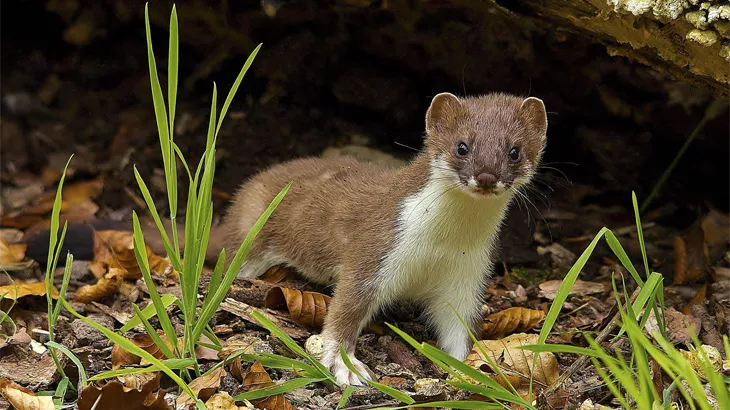
September marks a transitional period for the American marten (Martes americana) across North America’s northern forests. As daylight shortens and temperatures begin to drop, these agile furbearers adapt their behavior and feeding strategies to prepare for the colder months ahead. This shift makes September an important time for hunters, wildlife enthusiasts, and naturalists to understand and observe the species.
For hunters and trappers, knowing how the American marten behaves in September is essential for responsible and successful management. For naturalists and wildlife photographers, this is also one of the most active months to witness the species’ diverse habits before the onset of winter.
Behavior and Biology
Feeding and Movement
In September, American martens increase foraging activity to build fat reserves for winter. Their diet includes small mammals like voles and red squirrels, as well as birds, insects, berries, and carrion. With prey populations often peaking in late summer, September provides abundant food sources.
Martens are solitary and maintain overlapping home ranges. They are most active at dawn and dusk, but cooler days encourage longer daytime movements. This uptick in activity offers hunters and observers more opportunities to spot fresh tracks and signs.
Reproduction and Adaptation
Although mating takes place in summer, delayed implantation means embryos do not develop until later. September is a quiet period for reproduction but a critical time for juveniles learning to hunt independently. Martens also begin shifting their use of cover, favoring denser spruce-fir stands and fallen logs as protective shelters.
Hunting Activity in September
Season Timing
Many states and provinces in the U.S. and Canada open furbearer trapping seasons for American martens later in the fall or early winter. September is typically considered pre-season scouting time rather than the peak harvest period. However, regulations vary widely, and some regions may allow limited trapping or hunting under special permits.
Methods and Equipment
Because martens are primarily taken by trapping rather than firearm hunting, ethical trappers use box traps or sets designed to minimize non-target catches. Scouting in September helps identify active runs, feeding areas, and den sites. High-quality scent lures and fresh bait increase success later in the season.
Hunters and trappers should always check local regulations, as some states protect martens or limit take quotas to maintain stable populations.
Ecological Role in September
As a mid-sized carnivore, the American marten plays a key role in controlling populations of small mammals, which can otherwise impact forest regeneration. In September, this predator-prey dynamic is especially strong due to the abundance of juvenile prey species. Martens also serve as prey for larger carnivores like fishers, bobcats, and raptors, making them integral to the forest food web.
Regional Differences
In the northern Rockies, martens begin moving to lower elevations in September as alpine conditions cool. In the Great Lakes states, they remain active in mixed conifer-hardwood forests but may shift closer to riparian corridors for abundant prey. In the Northeast, early autumn storms and leaf drop change cover patterns, affecting where martens hunt and den. Recognizing these regional differences can improve both observation and trapping strategies.
Practical Tips for September
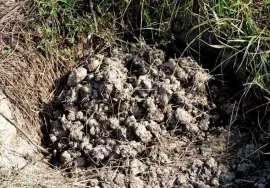
- Scout early: Look for tracks in damp soil, scat under conifers, and feeding sign near fallen logs.
- Focus on prey hotspots: Martens follow vole and squirrel populations, so map out areas of high small-mammal activity.
- Use ethical practices: Select trap types approved by your state and avoid sets near areas with high non-target species presence.
- Observe quietly: For naturalists, dawn and dusk offer the best chances to see martens active in September.
Quick Reference Table
| Aspect | Details |
|---|---|
| Species | American Marten (Martes americana) |
| Month | September |
| Behavior | Increased foraging, juvenile dispersal, shifting cover use |
| Hunting Activity | Primarily scouting season; trapping seasons open later in fall |
| Hunting Season | Varies by state; often mid-fall to winter |
| Regions | Northern Rockies, Great Lakes, Northeast U.S., and parts of Alaska |