
American Marten in October
Introduction
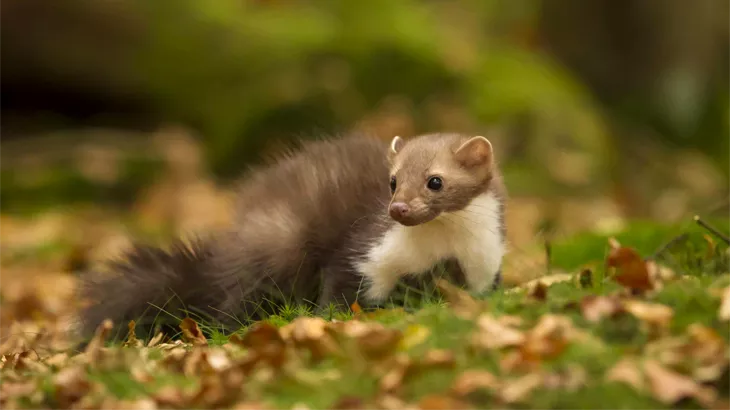
October marks a critical transitional period for the American marten (Martes americana), a small but highly adapted carnivore of North American forests. As temperatures drop and daylight shortens, martens shift their activity and diet to prepare for the challenges of late fall and early winter. This month provides unique insights for wildlife enthusiasts and trappers who are interested in understanding the species’ seasonal changes.
For hunters and naturalists alike, October is a prime month to observe American martens’ foraging behavior, movement patterns, and habitat use. Recognizing these shifts is essential for ethical and effective hunting or for simply appreciating the ecological role this elusive predator plays in North America’s northern forests.
Behavior and Biology
Feeding and Movement
In October, American martens intensify their feeding activity, capitalizing on small mammals such as red squirrels, voles, and shrews, which are abundant before winter scarcity sets in. They also opportunistically consume birds, insects, berries, and carrion. With the cooling weather, martens increase their daytime activity and extend their home ranges to secure sufficient prey.
Breeding and Adaptation
Although martens mate during the summer, delayed implantation means that embryos will not develop until late winter. In October, energy goes into fat storage rather than reproduction. Their dense fur begins to thicken in preparation for colder temperatures, improving insulation and camouflage in snowy environments.
Hunting Activity
When and How to Hunt
October is considered early in the furbearer trapping season for martens in many northern states and parts of Canada. Legal hunting and trapping are regulated by state wildlife agencies, and seasons may open later depending on region. Traditional methods include the use of baited box traps or cubby sets strategically placed along travel corridors, fallen logs, or near known prey concentrations.
Gear and Seasonal Restrictions
Ethical trappers use equipment designed to minimize injury, such as properly sized body-grip traps or live traps for relocation where permitted. Fur quality in October is improving but may not yet be at its peak winter prime; this affects harvest decisions for those targeting pelts. Always consult regional regulations for season dates, bag limits, and trap-check intervals.
Ecological Role
As a mid-level predator, the American marten helps regulate populations of small mammals and birds, preventing overgrazing of forest vegetation. In October, their predation contributes to balancing rodent populations that could otherwise damage tree seedlings and understory plants. Martens also serve as prey for larger carnivores such as fishers, bobcats, and raptors.
Regional Differences
Activity levels and availability vary by region. In the Upper Midwest and Northeast, martens may be more active in mixed hardwood-conifer forests as they follow prey into denser cover. In the Rocky Mountains and Pacific Northwest, they remain primarily in high-elevation conifer stands, with early snowfall influencing their travel routes and access for trappers. Northern populations may enter subnivean spaces sooner as snow cover arrives.
Practical Tips
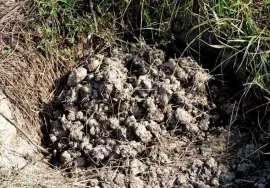
- For Hunters/Trappers: Scout for sign such as tracks, scat, or prey remains to identify active areas before setting traps.
- For Observers/Naturalists: Use dawn and dusk hours for the best chance of sightings; martens are more diurnal in cool months.
- Gear Prep: Waterproof boots, GPS mapping of trap lines, and bait such as fish or fresh meat scraps can increase success.
- Ethics: Follow all state and provincial regulations; check traps frequently and release non-target species unharmed.
Quick Reference Table
| Aspect | Details |
|---|---|
| Scientific Name | Martes americana |
| Category | Small Game & Furbearers |
| Typical Weight | 1.5–3 lbs (0.7–1.4 kg) |
| Habitat | Boreal and mixed conifer-hardwood forests |
| Range | Northern U.S. (Great Lakes, New England, Rocky Mountains, Pacific Northwest) and Canada |
| Season | Furbearer hunting/trapping season varies by state; October marks early-season activity |
| Conservation Status | Generally Stable; locally sensitive in some states |