
October is prime time for deer rutting, upland bird hunting, and waterfowl migration. Get species-specific tips for every state.
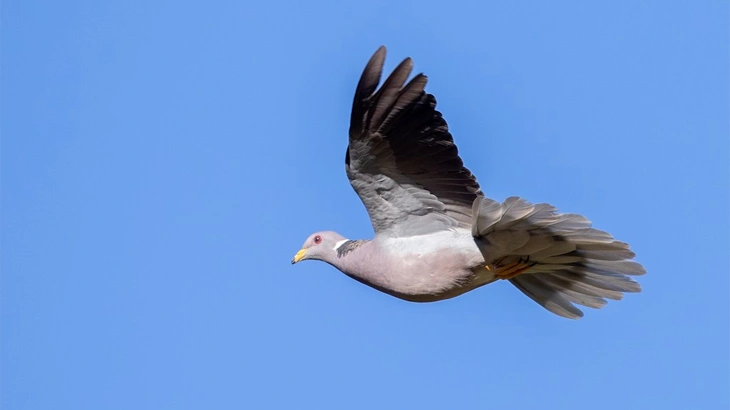
October is marked by massive southbound migrations of waterfowl, geese, and swans, as autumn deepens and colder weather approaches. Large flocks move continuously, sometimes filling the skies with honking geese and whistling ducks.
Many small birds such as finches and sparrows have already left their breeding grounds. Shorebirds and gulls are also on the move, traveling in large flocks. Occasionally, late groups of cranes can be heard calling during migration flights.
Migratory raptors begin their journey, hunting smaller birds on the fly during their long travels. Meanwhile, resident birds form winter flocks to prepare for the cold months ahead.
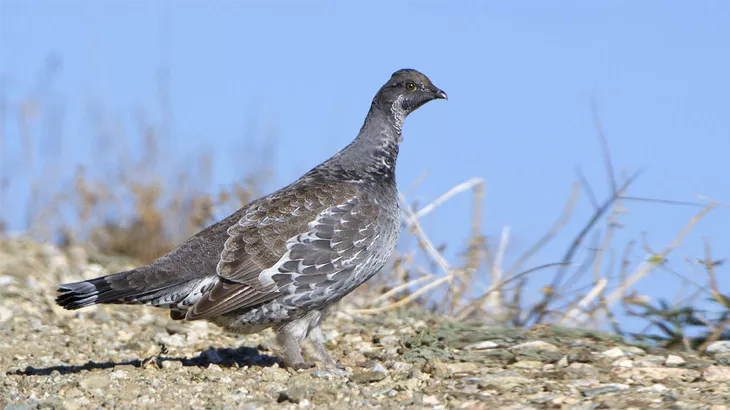
The fall molt progresses or completes for many game birds, with upland species such as pheasants becoming more visible. October also opens pheasant hunting seasons in many regions.
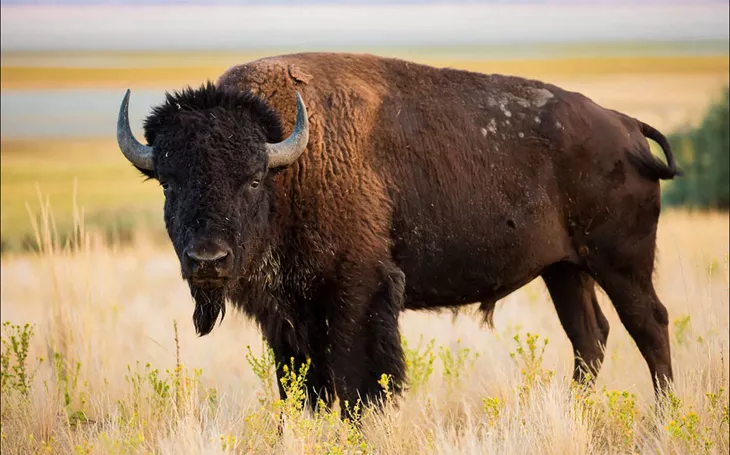
October marks the end of the breeding season for many North American mammals that breed in the fall, including moose and most deer species.
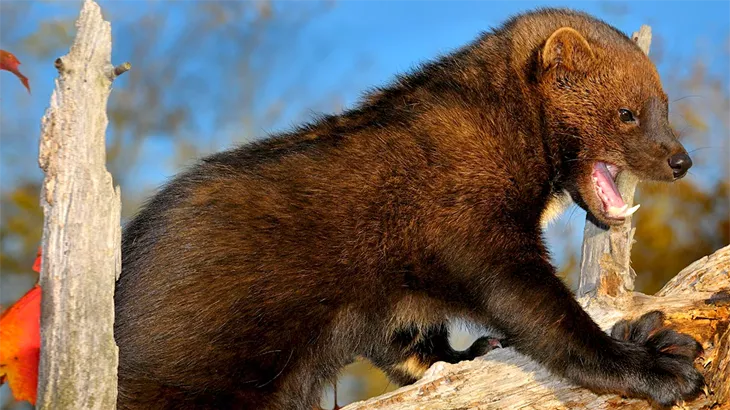
Autumn molts intensify among fur-bearing mammals as they prepare for winter coats. Many hibernators like groundhogs and some species of squirrels enter their winter dormancy.
Wildlife increases feeding activity to accumulate fat reserves essential for survival in the coming winter. Movements and migrations intensify as animals seek optimal habitats and food sources.
| Species Group | October Activity |
|---|---|
| Geese & Swans | Peak migration in northern and central flyways; large flocks |
| Ducks | Continued migration; mallards, teal, and diving ducks moving south |
| Shorebirds | Late migration of sandpipers, yellowlegs, and dowitchers |
| Raptors | Beginning of migration flights, hunting along flyways |
| Resident Birds | Formation of winter flocks |
Northern and Central Flyways: Peak waterfowl passage; geese flocks intensify, especially Canada geese and snow geese.
Midwest and Great Lakes: Heavy migration of ducks and shorebirds; late pheasant activity begins.
Southern U.S.: Arrival of migrating waterfowl; early winter residents settle in wetlands and forests.
Western Regions: Continued migration of waterfowl and upland game; increased activity of predators preparing for winter.
October traditionally opens upland game seasons, including pheasant hunting. Hunters employ various strategies:
Still Hunting and Ambush in woodlands and fields.
Hunting with Dogs for pheasants, grouse, and quail.
Waterfowl Hunting remains active with the continued migration of ducks and geese.
Success depends on understanding bird movements, molting patterns, and using natural cover effectively. Patience and knowledge of local habitats are crucial.
| Phenomenon | Details |
|---|---|
| Mammals | End of breeding season; autumn molt; hibernation begins |
| Birds | Peak migration of waterfowl and shorebirds; molt completion |
| Hunting | Pheasant season opens; waterfowl hunting continues |
| Migration Species | Geese, swans, ducks, raptors |
| Conservation Notes | Respect seasonal restrictions; protect migratory stopovers |