
American Bison in October
Introduction
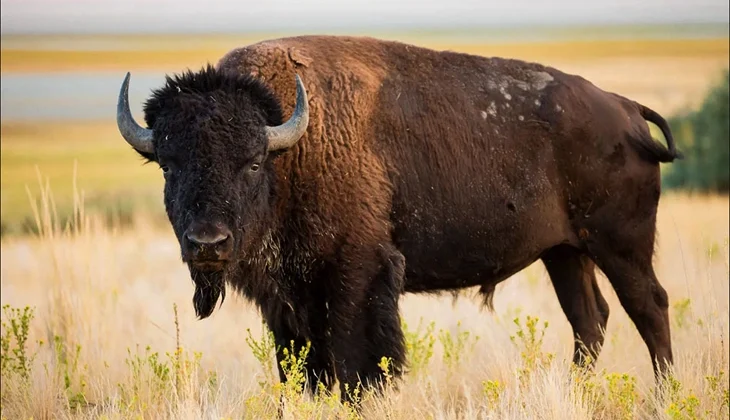
October marks a pivotal month for the American Bison, as these massive animals transition from the intensity of late summer rutting season into their preparations for winter survival. With cooling temperatures, shorter days, and shifting food sources, bison adjust their behavior and movement patterns across the plains, forests, and prairies of North America. For hunters, October offers a unique window, as many states and tribal lands align hunting opportunities with this period of seasonal change.
Understanding the behavior of bison in October is critical not only for hunters seeking ethical and successful harvests but also for naturalists and wildlife enthusiasts who want to observe how these animals adapt to the changing season. This month reflects a balance of feeding, conserving energy, and slowly moving toward sheltered areas in preparation for winter.
Behavior and Biology in October
After the rut concludes in late summer, American Bison settle into calmer, more predictable routines. Bulls, having spent significant energy during the breeding season, gradually return to bachelor groups or integrate back into larger herds. Cows and calves focus on grazing and building fat reserves to endure harsh conditions ahead.
October is largely defined by intensive foraging. Bison feed primarily on grasses, sedges, and forbs, taking advantage of the last growth before frost sets in. Their broad muzzles and efficient digestive systems allow them to consume large volumes of low-quality forage, making them well adapted to fall’s changing vegetation.
Movement patterns may shift slightly in October, with herds beginning gradual relocations toward areas that offer protection from wind and easy access to forage throughout the winter months. These movements are not full-scale migrations but rather seasonal adjustments tied to local climate and habitat conditions.
Hunting Activity in October
Timing and Legal Framework
October is one of the prime hunting months for American Bison, particularly in states like Montana, Wyoming, South Dakota, and Alaska, as well as on certain tribal lands where regulated hunts take place. Permits are tightly controlled to ensure sustainability, often requiring hunters to enter long-term lotteries or guided hunts.
Methods and Equipment
Spot-and-stalk hunting is the most common method in October, as bison herds are typically visible on open landscapes but wary of human approach. Hunters rely on patience, wind direction, and terrain features to close the distance. Rifles chambered in large calibers (.30-06, .338, .45-70, etc.) are standard, given the bison’s size and durability. Archery hunts are available in select areas, demanding exceptional skill and close-range strategy.
Seasonal Considerations
October’s cooling weather can aid hunters by allowing easier field dressing and meat preservation. However, ethical considerations remain paramount: due to the animal’s size (often exceeding 1,500 pounds), hunters must plan extraction and meat handling carefully. Many outfitters and tribal guides provide logistical support to ensure nothing goes to waste.
Ecological Role in October
In October, American Bison continue their critical role as ecosystem engineers. By grazing intensively on late-season grasses, they shape plant community structure, keeping prairies healthy and reducing the risk of encroaching woody vegetation. Their movements also distribute seeds and recycle nutrients back into the soil through dung, supporting biodiversity into the winter season.
Predation risk from wolves and bears remains, but adult bison are rarely targeted unless weakened. Calves may face more vulnerability, though by autumn they are significantly stronger than in spring. Bison herds’ behavior influences predator dynamics, as their grouping and movement patterns affect hunting strategies of large carnivores.
Regional Differences
October conditions vary across North America, shaping bison behavior differently depending on location:
- Northern Plains & Yellowstone Region: Early snowfalls may already drive bison toward lower elevations and valleys. Herds are often concentrated in more sheltered areas with abundant forage.
- Central Plains: Bison remain widely dispersed, feeding on prairie grasses. Hunting opportunities often align with tribal management programs.
- Alaska & Canada: Cooler conditions arrive earlier, with bison adjusting quickly to snow-covered landscapes, often moving toward river valleys and protected forested edges.
Practical Tips
- For Hunters: Secure logistics before the hunt. Bison require significant effort to field dress, quarter, and transport. A reliable plan, including vehicles or pack animals, is essential.
- For Wildlife Watchers: October offers quieter herds post-rut, making it easier to observe natural grazing and herd behavior without the intensity of mating competition.
- For Conservationists: Support sustainable hunting programs and habitat preservation initiatives that ensure bison herds remain stable and genetically diverse.
Quick Reference Table
| Aspect | Details |
|---|---|
| Species | American Bison (Bison bison) |
| Month | October |
| Behavior | Post-rut recovery, heavy foraging, minor seasonal movements |
| Hunting Activity | Active in select states and tribal lands; spot-and-stalk common |
| Hunting Season | October permits in Montana, Wyoming, South Dakota, Alaska, and tribal lands |
| Regions | Northern Plains, Rocky Mountains, Central Plains, Alaska, parts of Canada |