
Wild Boar in October
Introduction
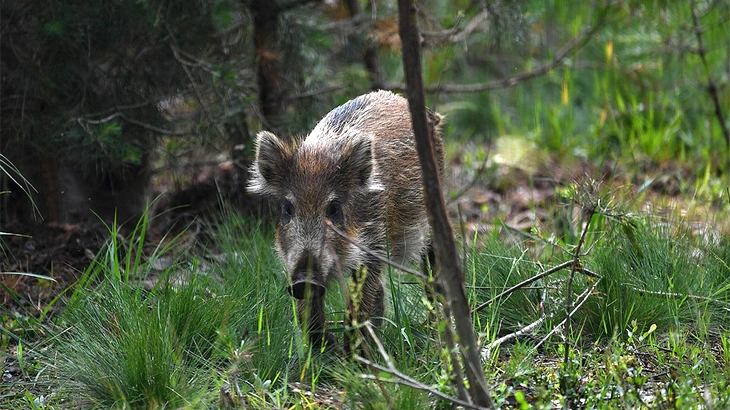
October is a critical month for wild boar (also known as feral hogs) across North America. As the weather cools and food availability shifts, these highly adaptable animals intensify their foraging, often coming into greater conflict with agricultural areas. For hunters, this period offers prime opportunities, as wild boar activity increases during cooler daylight hours and food-driven movements become more predictable.
Beyond their hunting significance, wild boars play a controversial ecological role in October. Their rooting behavior accelerates as they search for acorns, nuts, and agricultural crops, impacting native vegetation and soil structure. Understanding their seasonal behavior helps hunters, land managers, and naturalists better anticipate boar movements and plan accordingly.
Behavior and Biology in October
Feeding Patterns
Wild boars are opportunistic omnivores, and in October, their diet is heavily influenced by mast crops such as acorns, hickory nuts, and pecans. They also raid corn, peanuts, and other agricultural fields where available. This abundance of calorie-dense foods helps them build fat reserves for the colder months ahead.
Movement and Social Structure
October often sees more frequent movements as boars search for food. Sounders (family groups of sows and young) may expand their home range temporarily, while solitary males continue to roam widely. Cooler nights encourage extended feeding sessions, sometimes leading to increased daytime sightings.
Breeding Activity
Unlike some game species, wild boars breed year-round, but October can mark the beginning of increased reproductive activity in certain populations. Mature males may become more aggressive, and hunters may notice signs of competition such as tusk marks and vocalizations.
Hunting Activity in October
Methods and Strategies
October is one of the best months for wild boar hunting due to increased movement and feeding predictability. Hunters often use spot-and-stalk, baiting, or stand hunting near oak stands and crop edges. Night hunting with thermal optics is effective where legal, as boars are most active during late evening and pre-dawn hours.
Gear and Equipment
Sturdy rifles chambered in medium to large calibers are preferred, given the boar’s tough hide and thick shoulder shield. Archery hunting is also popular, but accuracy and penetration are crucial. Hunters should use high-quality optics to scan fields and woodlots during low-light conditions.
Regulations and Seasons
In many U.S. states, wild boars are classified as invasive and have no closed season, but specific rules on methods, night hunting, and landowner permissions vary. Hunters should always check regional regulations before planning a hunt.
Ecological Role in October
In October, wild boars exert significant pressure on ecosystems by consuming mast crops that native wildlife (such as deer, turkeys, and bears) depend on. Their rooting disturbs soil, spreads invasive plant seeds, and alters water runoff patterns. They also prey on small vertebrates and ground-nesting birds. This makes their management both an ecological necessity and a hunting opportunity.
Regional Differences
In the Southeast (Texas, Florida, Georgia), October is prime hunting season as boars raid crops and hardwood forests. In the Midwest, their activity is more localized but can be intense around cornfields and oak woodlands. Western states like California see heavy feeding in oak-dominated habitats. Northern regions may experience reduced activity as boars prepare for harsher winter conditions.
Practical Tips for Hunters and Observers
- Scout food sources: Focus on oak ridges, pecan orchards, and harvested crop fields.
- Use trail cameras: Track movement patterns to identify prime hunting times.
- Stay downwind: Boars have keen noses and will spook easily if they detect human scent.
- Prepare for tough recovery: These animals are resilient; ensure your shot placement is precise and follow blood trails carefully.
- Observe at dawn and dusk: Cooler October weather increases daytime sightings, but peak activity is still around twilight.
Quick Reference Table
| Aspect | Details |
|---|---|
| Scientific Name | Sus scrofa |
| Category | Big Game / Invasive Species |
| Typical Weight | 150–300 lbs (68–136 kg), with some exceeding 400 lbs |
| Habitat | Forests, swamps, grasslands, agricultural lands |
| Range | Southeastern U.S., parts of Midwest, California, Texas, expanding northward |
| Season | Open year-round in most states; October is high-activity month |
| Conservation Status | Invasive, requiring population control |