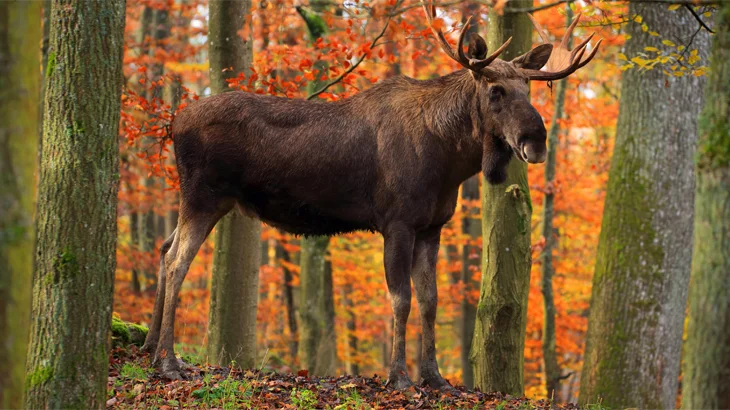
Moose in October
Introduction
October marks the height of moose activity in North America as these massive ungulates enter the rutting season. This month is crucial for hunters and wildlife enthusiasts alike, as moose display distinctive behaviors that make observation and hunting more strategic. Understanding moose habits during October helps ensure both successful wildlife encounters and responsible hunting practices.
During this period, moose begin preparing for the approaching winter, focusing on breeding, feeding, and conserving energy. Wildlife photographers and naturalists can witness dramatic displays of dominance among bulls competing for mates, while hunters must adapt to seasonal patterns and local regulations.
Identification and Characteristics
Appearance
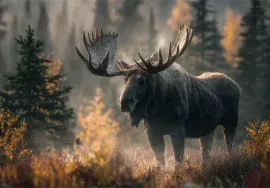
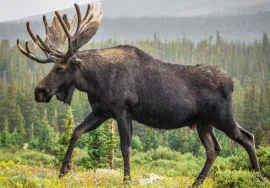
Moose are the largest members of the deer family, with males (bulls) weighing between 800–1,500 lbs (360–680 kg) and females (cows) slightly smaller. They have long legs, a humped shoulder, and a broad, overhanging muzzle. Bulls are distinguished by large, palmate antlers, which can span up to 6 feet (1.8 meters) across. Their coat is dark brown in winter, providing excellent camouflage among forests and wetlands.
Behavior
In October, bulls exhibit heightened aggression and territorial behavior due to rutting. Feeding activity peaks in early morning and late evening, focusing on aquatic plants, shrubs, and twigs to maintain energy reserves. Moose are mostly solitary except during mating or when cows are accompanied by calves. Predators like wolves and bears pose threats mainly to calves, while adult moose rely on size and strength for defense.
Habitat
Moose inhabit boreal and mixed deciduous forests, wetlands, and river valleys. In October, they begin moving to areas rich in food sources to fuel the rut. Range includes the Northern U.S. states such as Maine (ME), Minnesota (MN), Michigan (MI), and Alaska (AK), with seasonal shifts depending on local climate and snow cover.
Hunting and Seasonality
Hunting Practices
October is peak hunting season for moose in many U.S. states. Legal methods typically include rifle and bow hunting, with strict licensing and quota requirements. Ethical hunting practices emphasize fair chase, safety, and respect for wildlife. Hunters often use decoys, calls, and scouting to track rutting bulls.
Seasonal Activity
During October, moose exhibit peak rut activity, with bulls competing for cows using vocalizations called “bellows” and physical displays. Movement increases as bulls traverse larger territories seeking mates. Feeding continues but is intermittent, as reproductive behavior dominates. Snow and weather conditions in northern regions can also influence movement and accessibility.
Ecological Role
Moose play a vital role in their ecosystems, influencing vegetation patterns through browsing and providing prey for predators like wolves and bears. Their feeding on aquatic plants can shape wetland habitats, while fallen antlers and carcasses provide nutrients for smaller species. Seasonal movement patterns help maintain ecological balance across forests and wetlands.
Conservation and Management
Moose populations are monitored closely, as habitat loss, predation, and climate change impact numbers in certain regions. Management strategies include regulated hunting, habitat conservation, and population surveys to ensure sustainable populations. In October, hunting is carefully managed to align with population goals and minimize stress on breeding moose.
Related Taxonomies
- Seasons: Winter, Spring, Summer, Fall
- Regions: Maine (ME), Minnesota (MN), Michigan (MI), New Hampshire (NH), Vermont (VT), Alaska (AK), Northern Rockies
- Biomes: Forest, Wetland, Grassland
- Category: Big Game
Monthly Guides
Below are links to monthly guides showing how moose behave and are hunted throughout the year, providing detailed insights for each season and region.
Quick Reference Table
| Aspect | Details |
|---|---|
| Scientific Name | Alces alces |
| Category | Big Game |
| Typical Weight | 800–1,500 lbs (360–680 kg) |
| Habitat | Forest, Wetland, River Valleys |
| Range | Maine (ME), Minnesota (MN), Michigan (MI), New Hampshire (NH), Vermont (VT), Alaska (AK), Northern Rockies |
| Season | October (Peak Rut), regulated hunting periods vary by state |
| Conservation Status | Stable in most regions, monitored for local population trends |