
White-tailed Deer in August
Introduction
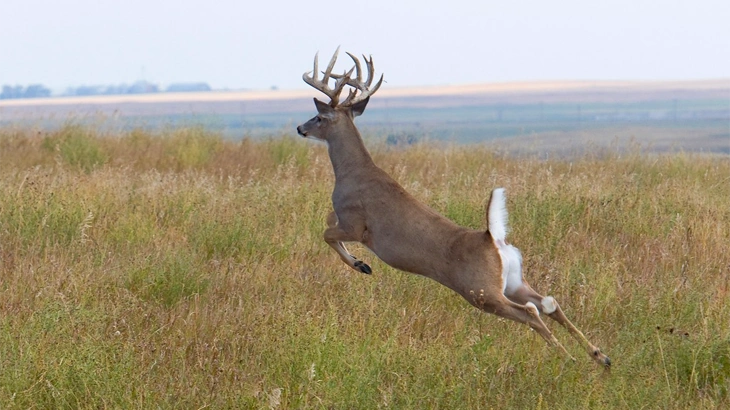
August marks a pivotal time for the White-tailed Deer (Odocoileus virginianus) across North America. With summer at its peak, deer are actively feeding to build fat reserves ahead of fall. Bucks are finishing antler growth under velvet, fawns are becoming more independent, and hunters begin planning for the approaching season. Understanding white-tailed deer behavior in August helps wildlife enthusiasts, conservationists, and hunters alike anticipate changes in activity and habitat use.
Behavior and Biology in August
Feeding Patterns
In August, white-tailed deer focus on high-protein and carbohydrate-rich foods. Bucks and does browse heavily on soybeans, alfalfa, clover, acorns (where early drops occur), and soft mast such as apples and berries. Agricultural fields and forest edges become hotspots for evening feeding.
Antler Development
Bucks are at the final stage of antler growth. Velvet remains through most of August, with shedding expected in early September. This is a crucial period when bucks avoid aggressive interactions and form bachelor groups.
Fawns and Family Structure
By late summer, fawns lose their dependence on mothers and begin to integrate into the herd. Their spotted coats start fading, providing better camouflage in changing vegetation.
Daily Movements
Deer are generally crepuscular in August, active mostly at dawn and dusk to avoid heat stress. Daytime activity is limited to shaded cover and water sources.
Hunting Activity in August
Season Status
In most U.S. states, August is preseason, regular deer hunting seasons typically open in September or October. However, some regions (such as parts of South Carolina or early archery zones) allow August hunting opportunities.
Scouting and Preparation
Hunters dedicate August to:
- Trail camera surveys to identify buck movement.
- Patterning feeding routes from bedding to crop fields.
- Checking waterholes in dry regions.
- Preparing stands, blinds, and shooting lanes without causing pressure.
Equipment Considerations
- Archery hunters begin practicing extensively; August evenings are ideal for range work.
- Scent control becomes important, as deer are wary during late summer feeding patterns.
- Optics (binoculars, spotting scopes) are essential for long-distance glassing without spooking deer.
Ecological Role in Late Summer
White-tailed deer are ecosystem engineers in August:
- Browsing pressure influences crop yields and forest understory growth.
- They serve as prey for coyotes, bobcats, and black bears, especially vulnerable fawns.
- Their movements help disperse seeds from fruits and vegetation.
- During droughts, competition for water intensifies, influencing habitat use of other species.
Regional Differences
Midwest & Great Plains
Deer are highly visible in agricultural fields feeding on soybeans and corn. Crop damage complaints peak in August.
Northeast
Soft mast (apples, berries) and early acorns shape deer diets. Cooler nights sometimes extend feeding into mornings.
South
In regions like South Carolina, archery and even rifle seasons may open in mid-to-late August, giving hunters one of the earliest starts in the nation.
West
Deer in arid regions concentrate around water sources, often traveling longer distances between bedding and feeding.
Practical Tips for August
- For Hunters: Focus on scouting, not pressure. Avoid overhunting stands before season opens.
- For Wildlife Watchers: Evening drives near agricultural fields are excellent for spotting bachelor groups of bucks.
- For Landowners: Consider crop protection measures or supplemental feeding programs where legal.
- For Conservationists: Monitor deer health and habitat conditions, particularly in drought-prone areas.
Quick Reference Table
| Category | Details |
|---|---|
| Species | White-tailed Deer (Odocoileus virginianus) |
| Month | August |
| Behavior | Heavy feeding on crops and mast, crepuscular activity, fawns gaining independence, bucks finishing antler growth under velvet |
| Hunting Activity | Preseason scouting, trail cameras, stand preparation, some early hunts in select states |
| Hunting Season | Mostly closed; limited early archery/rifle in South Carolina & select zones |
| Regions | Widespread across U.S.: Midwest, Northeast, South, Great Plains, Western states |