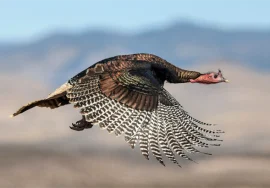

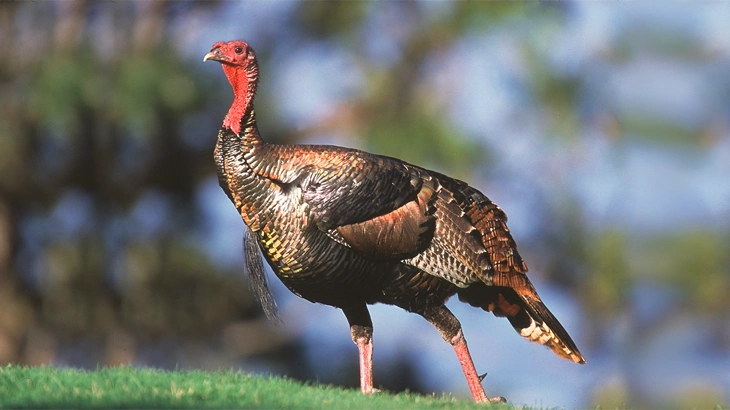
Wild Turkey in August
Introduction
August is a pivotal month for the Wild Turkey (Meleagris gallopavo) across North America. While the peak of the spring hunting season has long passed, this late summer period provides critical insight into the bird’s ecology, survival strategies, and preparation for the coming fall. For hunters, naturalists, and wildlife enthusiasts, August offers an opportunity to observe flocks as they shift their behavior in response to changing food sources and weather conditions.
Understanding Wild Turkey activity in August helps sportsmen plan for the upcoming fall seasons, while also giving conservationists valuable data on population health, habitat use, and ecological interactions. This month is less about direct hunting and more about observation, scouting, and preparation.
Behavior and Biology in August
Flock Structure
By August, poults (young turkeys hatched in late spring) have grown significantly and are now traveling with hens in large family groups. These flocks provide safety in numbers and create social structures that improve the survival rate of younger birds.
Feeding and Foraging
Wild Turkeys in August focus on abundant late-summer foods. They feed on grasshoppers, crickets, seeds, berries, and green vegetation. As crops mature, turkeys are often seen foraging in agricultural fields, particularly corn and soybean areas. This makes farmland edges and clearings key habitats for observation.
Daily Movement
Turkeys continue their routine of roosting in trees overnight and feeding during the morning and late afternoon. During the heat of midday, they often seek shade and rest. This predictable movement makes it easier for hunters to scout roosting and feeding areas ahead of the fall season.
Hunting Activity in August
Hunting Seasons and Regulations
In most U.S. states, August is not an active hunting season for Wild Turkey. The primary regulated harvest periods occur in spring and, in some regions, a limited fall season. Hunters should always verify local regulations, as certain areas may allow controlled fall harvest starting in early September.
Scouting and Preparation
Although direct hunting is rare in August, this month is crucial for scouting. Hunters observe flock size, poult survival rates, and habitat use to prepare for the upcoming fall hunts. Tracking feeding areas and roosting sites gives a strong advantage when the season opens.
Gear and Techniques
Trail cameras, binoculars, and field notes are more valuable in August than shotguns or bows. Practicing calling techniques and refining decoy setups during this time helps hunters sharpen skills without disturbing flocks unnecessarily.
Ecological Role in August
Wild Turkeys play a vital role in late-summer ecosystems. Their foraging helps control insect populations, particularly grasshoppers and beetles, which are abundant in August. They also disperse seeds through their droppings, contributing to forest and grassland regeneration. At the same time, turkeys serve as prey for predators such as coyotes, bobcats, and raptors, maintaining a balanced food web.
Regional Differences
Activity patterns in August vary across the U.S. In the South, where summers are hot and humid, turkeys often seek shade in forests and near water sources. In the Midwest, flocks forage heavily in farmland, taking advantage of maturing crops. In northern states, cooler nights begin to influence movement, and turkeys may extend their foraging into later hours of the day.
Practical Tips
- For hunters: Use August to scout feeding areas, identify roosting trees, and monitor flock health. Avoid unnecessary disturbance to prevent alerting birds before the season.
- For wildlife watchers: Early morning and late afternoon are the best times to observe turkeys feeding. Look for them along field edges and woodland clearings.
- For conservationists: August is an excellent time to assess poult survival rates, which are critical indicators of population health and future hunting sustainability.
Quick Reference Table
| Aspect | Details |
|---|---|
| Species | Wild Turkey (Meleagris gallopavo) |
| Month | August |
| Behavior | Family flocks with hens and poults; heavy feeding on insects, seeds, and crops |
| Hunting Activity | Primarily scouting and preparation; limited hunting seasons open in some regions |
| Hunting Season | Spring main season; limited fall seasons (typically September–November) |
| Regions | Widespread across the U.S., with variations in activity by climate and habitat |