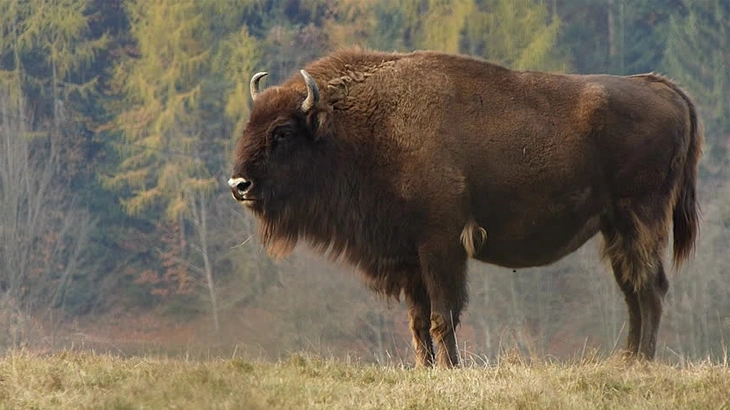
American Bison in November
Introduction
November marks a transitional period for the American Bison, a time when the great herds of North America shift their behavior in response to dropping temperatures and changing food availability. For hunters, wildlife enthusiasts, and conservationists, this month is critical: it highlights how the species prepares for winter and offers specific insights into bison ecology and management. Understanding the nuances of bison activity in November helps both hunters and naturalists align their practices with the rhythms of the species and its environment.
As autumn draws to a close, the landscape undergoes dramatic changes. Grasslands dry out, frost begins to cover the prairies, and the bison’s massive body and resilient nature allow it to thrive in conditions that test many other animals. This resilience, along with its cultural and ecological importance, makes November an excellent month to study and observe the American Bison.
Behavior and Biology
Feeding
In November, American Bison rely heavily on dormant grasses, sedges, and forbs. With fresh green vegetation scarce, they graze on what remains before the onset of heavy snow. Their strong neck muscles and massive heads allow them to sweep away early snow to uncover food beneath, an adaptation critical for survival.
Movement
Bison herds may begin shifting toward lower elevations and areas with more accessible forage. Migration during November is often less dramatic than later in winter, but herds adjust their home ranges to prepare for harsher weather conditions ahead.
Reproduction
The rut (breeding season) has long passed, and November is a time of relative calm. Bulls and cows remain in mixed herds, conserving energy and focusing primarily on feeding rather than mating behavior.
Hunting Activity
Season and Regulations
In many U.S. states where limited bison hunting is legal (such as Montana, Utah, and a few tribal lands) November falls within the permitted season. Hunting opportunities are strictly regulated to ensure sustainable population management and often require special permits or lottery draws.
Methods and Strategies
Spot-and-stalk is the most common method in November, as bison remain highly mobile but more predictable in their search for forage. Hunters typically use optics to locate herds from a distance and then approach carefully, considering wind direction and herd behavior.
Equipment
Given the bison’s massive size, often exceeding 1,000 pounds, hunters must use high-caliber rifles (such as .30-06 Springfield, .300 Win Mag, or larger) to ensure ethical kills. Proper field dressing equipment and planning for meat transport are essential due to the size and weight of harvested animals.
Ecological Role
In November, bison continue to play a vital role in shaping prairie ecosystems. Their grazing patterns help prevent overgrowth of certain grasses, maintain plant diversity, and create habitats for smaller animals. Their movements also impact soil aeration and nutrient cycling, which prepares the ecosystem for winter resilience. Predators like wolves and bears may still prey on weaker individuals, reinforcing natural selection and herd health.
Regional Differences
Across the U.S., bison activity in November varies by geography:
- Northern Plains (Montana, North Dakota): Early snow cover influences forage accessibility, encouraging herds to move toward valleys and sheltered ranges.
- Central Plains (South Dakota, Nebraska): Bison remain active on open rangelands, often grazing alongside cattle on managed lands.
- Western Regions (Utah, Wyoming): Herds may descend from higher elevations into wintering grounds where forage is more abundant and snow is less deep.
Practical Tips
- For Hunters: Prepare for extreme weather shifts, and plan for the logistics of field dressing and meat transport. Always confirm local permit requirements.
- For Wildlife Observers: November offers prime viewing opportunities as herds become more visible against frost-covered landscapes. Early mornings are particularly rewarding.
- For Conservationists: Monitoring herd health during this period provides valuable insights into winter survival rates and population stability.
Quick Reference Table
| Aspect | Details |
|---|---|
| Species | American Bison (Bison bison) |
| Month | November |
| Behavior | Shifting ranges, heavy grazing on dormant grasses, conserving energy |
| Hunting Activity | Legal in select states with permits; spot-and-stalk methods recommended |
| Hunting Season | Active in certain states during November |
| Regions | Northern Plains, Central Plains, select Western states |