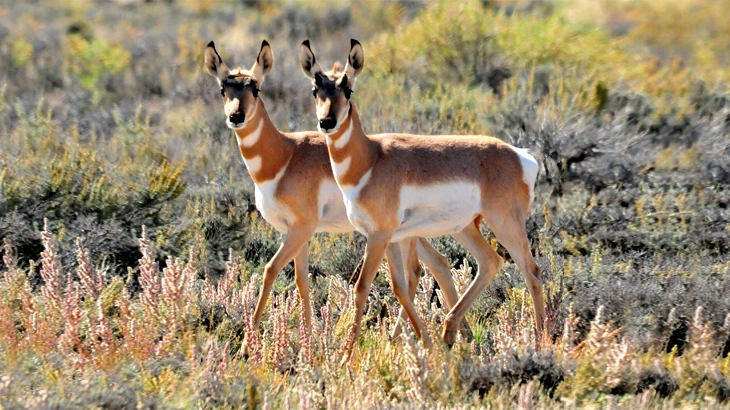
Pronghorn Antelope in October
Introduction
October marks a pivotal period for the Pronghorn Antelope across the open grasslands and sagebrush plains of North America. As summer transitions into fall, pronghorn behavior shifts in response to changing weather patterns and habitat conditions. For hunters, naturalists, and wildlife enthusiasts, this month offers unique opportunities to observe and interact with one of the continent’s most iconic big game species.
During October, many states open or continue their pronghorn hunting seasons, and the species displays post-rut behavior as it recovers from the intense breeding season. Understanding how pronghorns behave in this month helps hunters plan ethical and effective hunts, while also giving wildlife watchers a clearer picture of this swift and fascinating animal.
Behavior and Biology
Migrations and Movements
By October, pronghorn antelope herds begin shifting toward their winter ranges, particularly in northern states. Their movements become less tied to breeding grounds and more influenced by food availability and weather. This month often sees larger mixed groups forming, especially in regions with harsher winters.
Feeding and Diet
The pronghorn’s diet in October consists primarily of forbs, shrubs, and grasses. As frost kills off some plants, they adapt by increasing their intake of sagebrush and other hardy shrubs. This change in diet affects their visibility and activity patterns, which hunters and observers should note.
Reproduction and Adaptation
October is a post-rut month; bucks are regaining strength after September’s intense breeding season, and does are focusing on energy conservation. This period of adaptation influences pronghorn behavior, making them slightly less territorial and more prone to grouping for protection.
Hunting Activity
Hunting Seasons and Regulations
Most pronghorn hunting seasons across states like Wyoming, Montana, and Colorado are still open in October. Hunters should always verify local regulations and tag requirements, as season lengths and quotas vary. Ethical hunting practices, such as proper shot placement and respecting herd integrity, are especially important during post-rut recovery.
Methods and Equipment
Spot-and-stalk remains the most common hunting technique in October, as pronghorn still utilize open terrain. Hunters often use optics to locate herds at a distance and plan an approach using natural cover. Given the species’ acute eyesight, camouflage and patience are key. Rifle hunts dominate this period, but archery seasons may still be open in some regions.
Ecological Role
Pronghorn antelope play an essential role in their ecosystems by grazing on shrubs and forbs, shaping plant communities, and serving as prey for predators such as coyotes, golden eagles, and mountain lions. In October, as they congregate in larger groups, their impact on vegetation becomes more concentrated, and predator-prey dynamics shift accordingly.
Regional Differences
Pronghorn behavior in October varies by region. In northern states like Montana and North Dakota, migration to winter ranges is more pronounced, while in southern states like New Mexico and Arizona, pronghorn may remain in their home ranges with only slight movements. Habitat quality and weather severity largely dictate these patterns.
Practical Tips
For hunters: Use high-quality binoculars or spotting scopes to locate herds from a distance. Pay attention to wind direction and natural cover when stalking. For observers and photographers: Early morning and late afternoon provide the best light and activity for viewing. Always maintain a respectful distance to avoid stressing the animals during this transitional period.
Quick Reference Table
| Aspect | Details |
|---|---|
| Species Name | Pronghorn Antelope |
| Month | October |
| Behavior | Post-rut recovery, migration toward winter ranges, larger mixed groups |
| Diet | Forbs, grasses, increased sagebrush intake |
| Hunting Activity | Spot-and-stalk, rifle and some archery seasons, state-specific regulations |
| Hunting Season | Most western states open; verify local dates and quotas |
| Regions | Wyoming, Montana, Colorado, North Dakota, South Dakota, New Mexico, Arizona |