
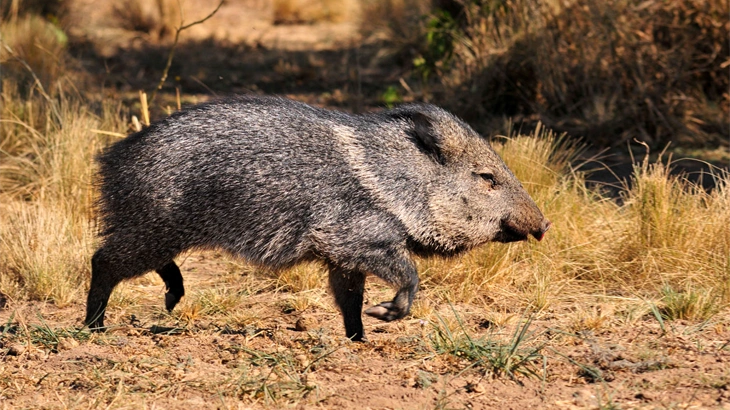
Javelina in September
Introduction
September marks a transitional period for Javelina (also known as Collared Peccary) across the deserts and brushlands of the American Southwest. As temperatures begin to moderate after the intense summer heat, these highly adaptable mammals adjust their routines, feeding habits, and movements. This shift creates new opportunities and challenges for hunters, wildlife watchers, and conservationists alike.
Recognized for their social behavior and resilience, Javelina are an integral part of the ecosystems they inhabit. In September, they respond to changing food sources, water availability, and breeding cues. Understanding these seasonal changes helps both naturalists and ethical hunters plan their activities more effectively while supporting healthy populations.
Behavior and Biology in September
Feeding and Movement
During September, Javelina expand their foraging areas to take advantage of new plant growth triggered by late-summer rains. They consume a mix of cactus pads, mesquite beans, roots, and occasional insects. Groups, known as sounders, are especially active in early mornings and evenings when temperatures are cooler.
Social Structure
Javelina maintain tight-knit family groups typically ranging from 5 to 15 individuals. In September, sounders can be seen traveling between water sources and feeding grounds, often leaving clear tracks and scent markings. The young from spring and early summer are now old enough to accompany adults on longer foraging trips.
Breeding and Adaptation
While Javelina can breed year-round, late summer and early fall rains can stimulate higher activity and reproductive readiness. Boars and sows interact more frequently, and dominant males defend breeding opportunities within their group.
Hunting Activity in September
When and How to Hunt
In many parts of Texas, Arizona, and New Mexico, Javelina hunting seasons open or continue through September. Hunters commonly use spot-and-stalk techniques near feeding areas, waterholes, or travel corridors. Archery hunting is especially popular in the early fall when animals are more predictable in their movements.
Equipment and Methods
Bowhunters and rifle hunters alike should focus on scent control and stealth, as Javelina have a keen sense of smell. Glassing hillsides at dawn and dusk can reveal groups emerging to feed. Using calls or scents that mimic their social noises can also help bring them closer.
Seasonal Regulations
Bag limits, permits, and season dates vary by state and region. Ethical hunters should consult local wildlife agency regulations and secure the appropriate tags well before heading into the field. Respecting land access rules and private property boundaries is also critical.
Ecological Role in September
Javelina contribute to seed dispersal and plant regeneration by consuming and spreading seeds from native desert plants. In September, their foraging on cactus and mesquite plays a role in shaping vegetation patterns after summer rains. They also serve as prey for mountain lions, coyotes, and other large predators, helping maintain ecological balance.
Regional Differences
Activity patterns and hunting opportunities differ across the Southwest. In Arizona, Javelina are more active in riparian corridors and foothills as new plant growth emerges. In Texas, brush country populations shift closer to water sources and agricultural edges. New Mexico hunters often find success in rugged canyon country where groups shelter in thick cover.
Practical Tips
- Scout early: Identify fresh tracks, scat, and feeding signs before the season opens.
- Stay downwind: Their sense of smell is excellent; approach with the wind in your favor.
- Glass from a distance: Use optics to locate sounders without spooking them.
- Hydration planning: In desert regions, focus your scouting around reliable water sources.
- Ethical shot placement: Aim for the vitals just behind the shoulder to ensure a quick, humane harvest.
Quick Reference Table
| Aspect | Details |
|---|---|
| Scientific Name | Pecari tajacu |
| Category | Big Game |
| Typical Weight | 35–60 lbs (16–27 kg) |
| Habitat | Deserts, brushlands, arid forests |
| Range | Arizona, New Mexico, Texas, Mexico Borderlands |
| Season | Early fall archery and general seasons begin or continue |
| Conservation Status | Stable |