
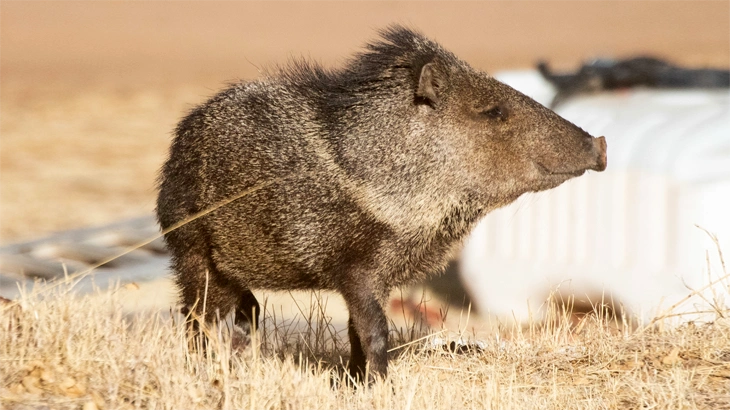
Javelina in October
Introduction
October is a pivotal month for Javelina, also known as collared peccaries (Pecari tajacu), across the arid and semi-arid regions of the southern United States. As temperatures moderate after the intense summer heat, these resilient mammals adjust their foraging patterns and movement across desert and scrub habitats.
For hunters, naturalists, and wildlife enthusiasts, October offers a unique window to observe Javelina behaviors before winter conditions begin. Understanding how this species adapts in October provides valuable insights for ethical hunting, habitat management, and conservation efforts.
Behavior and Biology
Feeding and Movement
In October, Javelina increase their foraging activity during the cooler morning and evening hours. They feed on prickly pear cactus, mesquite beans, roots, tubers, and occasionally small vertebrates. As desert vegetation shifts with seasonal rains, Javelina adapt by expanding their feeding range and traveling between food sources more frequently.
Reproduction and Social Structure
Although Javelina can breed year-round, October often marks a period of heightened social interaction within herds, also called “sounders.” These groups of 6–12 animals maintain complex hierarchies and use scent marking for communication. Pregnant females benefit from the richer forage available after late summer rains.
Adaptations
With fluctuating temperatures, Javelina rely on thick bristle-like hair and communal bedding to conserve warmth at night. Their keen sense of smell helps them locate hidden food sources and detect predators such as coyotes or bobcats.
Hunting Activity
Season and Regulations
October is a transitional month for Javelina hunting across states like Texas, Arizona, and New Mexico. In many areas, fall hunting seasons open or overlap with early archery seasons. Always check state-specific regulations, as bag limits, licensing, and permitted methods vary.
Methods and Equipment
Archery and spot-and-stalk hunting are popular approaches in October. Hunters often glass desert ridges at dawn or dusk to locate herds and then plan a careful approach. Lightweight, durable boots, camouflage that matches desert tones, and scent control are essential. Ethical considerations include targeting only legal animals and ensuring quick, humane harvests.
Ecological Role
Javelina play a significant role in their ecosystems as seed dispersers and ecosystem engineers. By consuming cactus fruit and rooting in soil, they influence plant regeneration patterns. In October, when seeds and pods are abundant, their foraging accelerates the dispersal of native plants. They also serve as prey for large predators, maintaining balance in desert food webs.
Regional Differences
Activity patterns in October vary across the species’ U.S. range. In southern Texas brush country, Javelina may stay near riparian corridors with dense cover. In Arizona’s Sonoran Desert, herds shift to areas with late-blooming cactus fruit or water sources. In New Mexico, cooler high-desert conditions can trigger longer daily movements as animals seek reliable food patches.
Practical Tips
- For Hunters: Scout water sources and fruiting cactus areas ahead of time; focus on dawn and dusk for best visibility.
- For Wildlife Observers: Use binoculars and maintain a respectful distance; Javelina can be defensive if threatened.
- For Photographers: Position downwind and at ground level for dynamic shots of herds in natural behavior.
Quick Reference Table
| Aspect | Details |
|---|---|
| Species Name | Javelina (Collared Peccary, Pecari tajacu) |
| Month | October |
| Behavior | Increased foraging at dawn/dusk; active social groups; adaptation to cooler temperatures |
| Hunting Activity | Early fall archery and spot-and-stalk hunts; state-specific regulations |
| Hunting Season | Varies by state; often fall seasons open in October |
| Regions | Southern Arizona, New Mexico, Texas, extending into northern Mexico |
| Habitat | Desert scrub, mesquite thickets, riparian corridors, arid grasslands |
| Conservation Status | Stable populations with regulated hunting |