
Grizzly Bear in September
Introduction
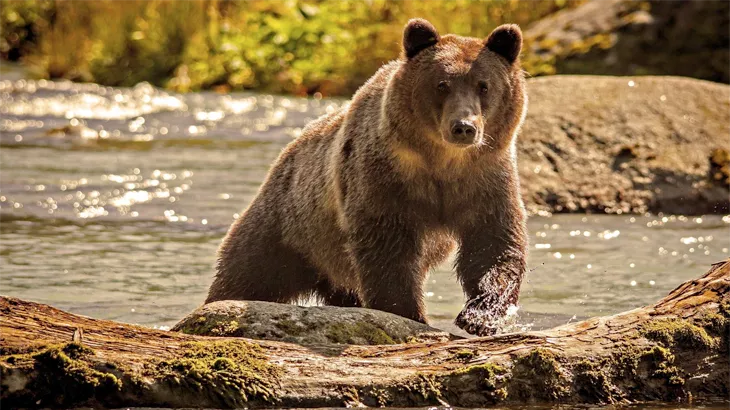
September is a critical month for Grizzly Bears (Ursus arctos horribilis) in North America as they prepare for the winter months. During this period, bears increase their feeding activity to accumulate fat reserves necessary for hibernation. Observing Grizzly Bears in September offers insights into their behavior, diet, and ecological role, making it an important time for wildlife enthusiasts and responsible hunters alike.
For hunters, understanding bear patterns during September is vital for safety and ethical hunting practices. Naturalists and photographers also benefit from knowledge of their feeding grounds, movement patterns, and seasonal behaviors.
Behavior and Biology
Feeding and Nutrition
In September, Grizzly Bears are in hyperphagia, consuming large amounts of food to build fat stores. Their diet includes berries, nuts, roots, small mammals, and carrion. In some regions, salmon runs continue, providing a rich protein source.
Movement and Activity
Bears increase their daily movements to locate optimal feeding areas. September is a transitional month; bears may shift from alpine meadows to lower-elevation forests in search of late-season food sources.
Reproduction and Adaptation
While mating season primarily occurs in May to July, September is important for pregnant females. They select dens in secure locations to prepare for hibernation. Adaptations such as thick fur and fat accumulation are crucial for survival through the cold months.
Hunting Activity
Hunting Practices
Hunting Grizzly Bears is highly regulated and often restricted to specific states and provinces. September may fall within legal hunting seasons in certain regions, requiring hunters to follow strict guidelines. Common legal methods include rifle hunting from blinds or stands, with attention to ethical shot placement and safety measures.
Seasonal Restrictions
Hunters must be aware of regional restrictions, permit requirements, and protected areas. September’s active feeding behavior makes bears more visible but also demands careful consideration of safety due to their aggressive potential.
Ecological Role
Grizzly Bears are apex predators and key ecosystem engineers. Their foraging spreads seeds and nutrients, impacting plant diversity. Predation and scavenging help control prey populations and recycle nutrients. In September, their intensified feeding has significant effects on berry and salmon populations, influencing food web dynamics.
Regional Differences
Activity and behavior can vary by region:
- Alaska: Bears focus on late salmon runs and berry-rich areas.
- Rocky Mountains: Lower-elevation movement to forests for acorns and roots.
- Pacific Northwest: Mixed diet of berries, nuts, and small mammals; high human-bear interactions.
Practical Tips
- Use binoculars or spotting scopes to observe from a safe distance.
- Store food securely to prevent attracting bears during field activities.
- Understand local hunting regulations before planning any hunting activity.
- Track seasonal foods to anticipate bear movement for observation or ethical hunting.
Quick Reference Table
| Aspect | Details |
|---|---|
| Species Name | Grizzly Bear (Ursus arctos horribilis) |
| Month | September |
| Behavior | Hyperphagia, increased movement, den preparation |
| Hunting Activity | Highly regulated; active feeding areas make observation possible |
| Hunting Season | Varies by region; check local regulations |
| Regions | Alaska, Rocky Mountains, Pacific Northwest, Northern Rockies |
| Conservation Status | Stable to declining depending on region; protected in many areas |