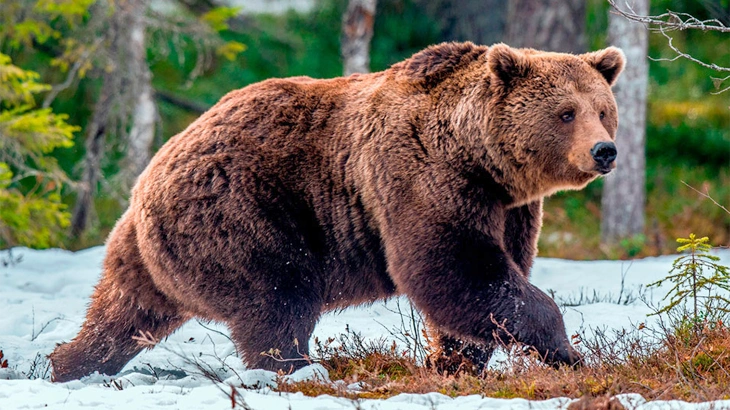
Grizzly Bear in October
Introduction
October marks a critical period for Grizzly Bears (Ursus arctos horribilis) in North America as they prepare for the upcoming winter hibernation. During this month, bears intensify their foraging to build fat reserves, making October one of the most active and observable months in their annual cycle. For hunters, naturalists, and wildlife enthusiasts, understanding Grizzly Bear behavior in October is essential for safe observation and ethical hunting practices.
As fall progresses, Grizzly Bears exhibit increased movement patterns and food consumption, targeting high-calorie resources such as nuts, berries, and salmon where available. Observing their feeding and territorial behaviors in October provides insight into their adaptation strategies and ecosystem role. This knowledge is invaluable for both wildlife management and outdoor recreation.
Behavior and Biology
Feeding
In October, Grizzly Bears enter a phase of hyperphagia, consuming large quantities of food to store fat for hibernation. Their diet shifts to energy-dense foods like acorns, berries, roots, and late-season salmon runs where applicable. Bears may travel longer distances in search of these resources, leading to increased encounters with other wildlife and human-inhabited areas.
Movement
Grizzlies exhibit heightened mobility in October, often ranging extensively to locate optimal feeding grounds. Males typically traverse larger territories, while females with cubs may remain closer to denning sites. Movement patterns are influenced by elevation and food availability, with bears descending from higher alpine areas to valley floors as winter approaches.
Reproduction and Adaptation
While the mating season peaks earlier in spring, October is crucial for females who will enter dens to give birth. Grizzlies demonstrate remarkable physiological adaptation, including increased caloric intake, metabolic changes, and preparation for long periods of dormancy. These behaviors ensure survival through harsh winter conditions.
Hunting Activity
Hunting Practices
Hunting Grizzly Bears in October is strictly regulated in areas where it is legal. Ethical practices include using proper licenses, understanding bear behavior, and respecting seasonal restrictions. Popular methods include still hunting, calling, and spotting from safe vantage points, always emphasizing safety due to the bear’s strength and unpredictable behavior.
Seasonal Considerations
October is near the close of the active hunting season in many regions. Hunters must account for early snow, decreasing daylight, and changing bear behavior as bears fatten up and prepare for hibernation. Awareness of local regulations and safe distances is critical during this high-activity month.
Ecological Role
Grizzly Bears serve as apex predators and keystone species, influencing prey populations and facilitating seed dispersal. In October, their foraging helps spread berries and nuts, impacting forest regeneration. Bears also interact with other predators, such as wolves and cougars, in competitive feeding zones, maintaining ecosystem balance.
Regional Differences
Activity patterns vary across North American regions. In Alaska and western Canada, October sees significant salmon-based feeding along rivers, whereas in the Rockies and northern U.S. states, bears rely more heavily on nuts, roots, and berries. Regional climate differences affect den entry times, with northern populations entering hibernation earlier than southern counterparts.
Practical Tips for Observers and Hunters
- Maintain a safe distance; October bears are highly active and food-motivated.
- Use binoculars or spotting scopes for observation.
- Be aware of seasonal trails, river crossings, and feeding areas.
- Follow all local hunting regulations and licensing requirements.
- Store food securely when in bear habitats to avoid unwanted encounters.
Quick Reference Table
| Aspect | Details |
|---|---|
| Scientific Name | Ursus arctos horribilis |
| Month | October |
| Behavior | Increased feeding (hyperphagia), long-range movements, den preparation |
| Hunting Activity | Still hunting, spotting, calling (regulated, safe distances essential) |
| Hunting Season | Varies by region; check local regulations |
| Range | Alaska, Western Canada, Northern Rockies, select U.S. states (Montana, Wyoming, Idaho, Washington) |